REVIEW · OAXACA STATE
From Oaxaca: San Agustín Etla Quesillo and Papermaking Tour
Book on GetYourGuide →Operated by PARAISO HUATULCO · Bookable on GetYourGuide
Paper and cheese, same afternoon. That mix is exactly why this Oaxaca outing works: you’ll travel north to San Agustín Etla, watch local papermaking from natural fibers, then end with a Quesillo cheese experience tied to the Etla area.
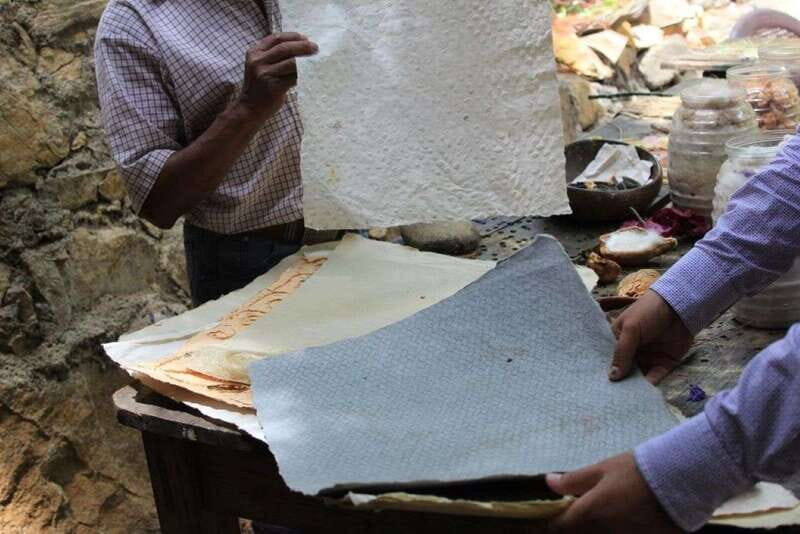
What I like most is the way the crafts feel practical, not museum-quiet. You get the story and the process behind Oaxaca cheese Quesillo, and you also see how regional fibers, pigments, and cotton can turn into handmade paper.
One thing to consider: the timing is tight and the day depends on how smoothly the demonstrations run. If you’re picky about long, step-by-step explanations in English, plan to ask questions and keep an eye on how your group is handled.
In This Review
- Key things you’ll notice on this Oaxaca experience
- From central Oaxaca to San Agustín Etla: the ride that sets the tone
- Natural-fiber paper at the former hydroelectric plant
- Centro de las Artes de San Agustín: from La Soledad factory to ecological arts center
- Quesillo secrets and a fresh tasting in Etla
- Timing that keeps the crafts moving (and where the day can feel short)
- Getting the most from the bilingual guide and the van logistics
- Price and value: why $43 can make sense here
- What to bring, what to skip, and how to stay comfortable
- Who should book this tour
- Should you book the Oaxaca papermaking and Quesillo tour?
- FAQ
- How long is the Oaxaca papermaking and Quesillo tour?
- What is the price per person?
- Is hotel pickup included?
- How far do you travel from Oaxaca City?
- What language is the tour guide?
- What’s included in the price?
- What costs extra during the experience?
- Do I need to bring cash?
- Is the tour suitable for wheelchair users or people with mobility impairments?
- What is the cancellation policy?
- Can I reserve without paying right away?
Key things you’ll notice on this Oaxaca experience
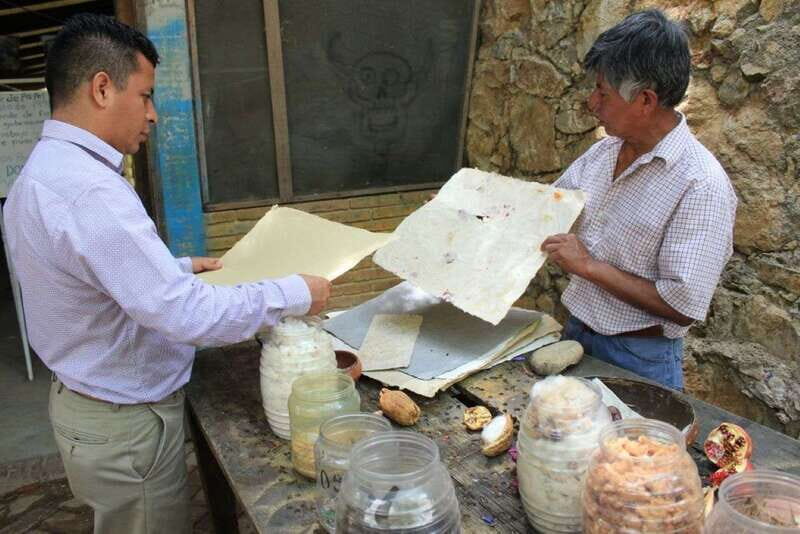
- Natural-fiber papermaking using materials like tree bark, branches, flowers, pigments, and cotton
- San Agustín Etla hydroelectric-plant setting that still anchors the community craft
- Centro de las Artes de San Agustín in the former La Soledad Yarns and Fabrics Factory
- Quesillo tasting tied to the Etla area where it’s known to originate
- Add-on class options for Quesillo and paper (extra cost)
- Pickup in central Oaxaca plus an air-conditioned van and a bilingual guide
From central Oaxaca to San Agustín Etla: the ride that sets the tone
This is a half-day that feels like a quick reset from Oaxaca City. You’ll be picked up from your hotel in central Oaxaca and driven about 20 kilometers (around 12.5 miles) north to the Etla District. Plan on roughly 30 minutes in the van each way.
Why that matters: you get out of city traffic and into a more working, local rhythm—where you’re not just looking at culture, you’re seeing how people make products day after day. The vehicle is air-conditioned, which is a real comfort factor in Oaxaca’s sun.
You’ll also be doing a few stretches of standing and walking at stops. Comfortable clothes help, especially because you’re out in daylight more than you might expect for a 4.5-hour tour. Bring sunglasses and a sun hat so the first outdoor moment doesn’t become a squint-fest.
If you're still narrowing it down, here are other tours in Oaxaca State we've reviewed.


Natural-fiber paper at the former hydroelectric plant
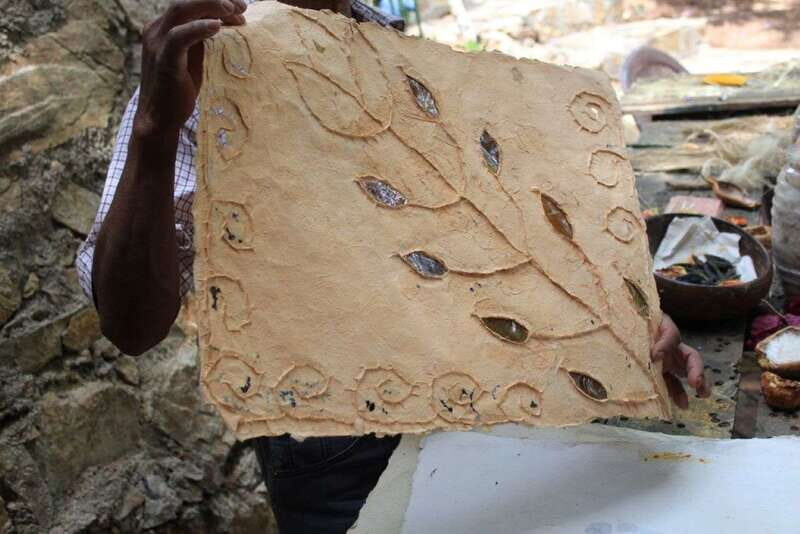
Your first craft stop is set at a former hydroelectric plant in San Agustín Etla. The key idea here is that the paper isn’t made from wood pulp like most mass-market sheets. Instead, the community uses natural regional fibers and ingredients such as tree bark, branches, flowers, pigments, and cotton.
This is the part of the day where you start noticing materials the way artisans do. Instead of asking what paper looks like, you learn what paper is made of—and why that affects texture, color, and character. If you’re the type who likes crafts with visible “fingerprints,” this fits your brain.
It’s also worth paying attention to the setting. A hydroelectric plant sounds industrial, but in this context it becomes a practical piece of history: energy and community infrastructure supported production. Now the plant frames an artisanal process that’s still very hands-on.
Tip for getting more out of it: keep your questions simple. Ask what fiber comes first, how pigments are used, and whether different plant materials change the final feel. Even when the tour pace is fast, the guide can usually translate those basics into something you can picture later.
Centro de las Artes de San Agustín: from La Soledad factory to ecological arts center
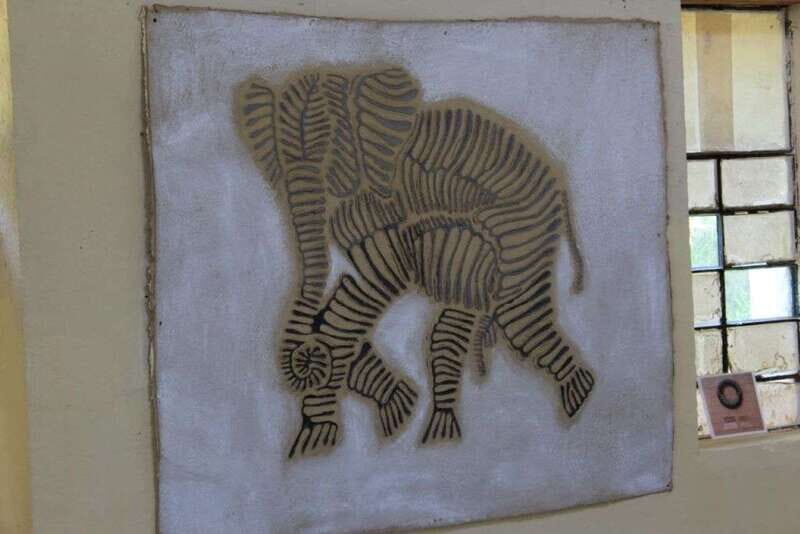
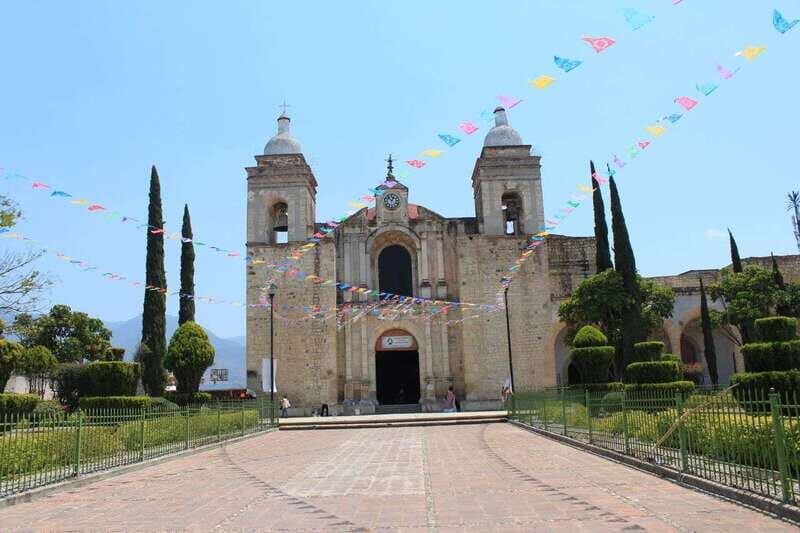
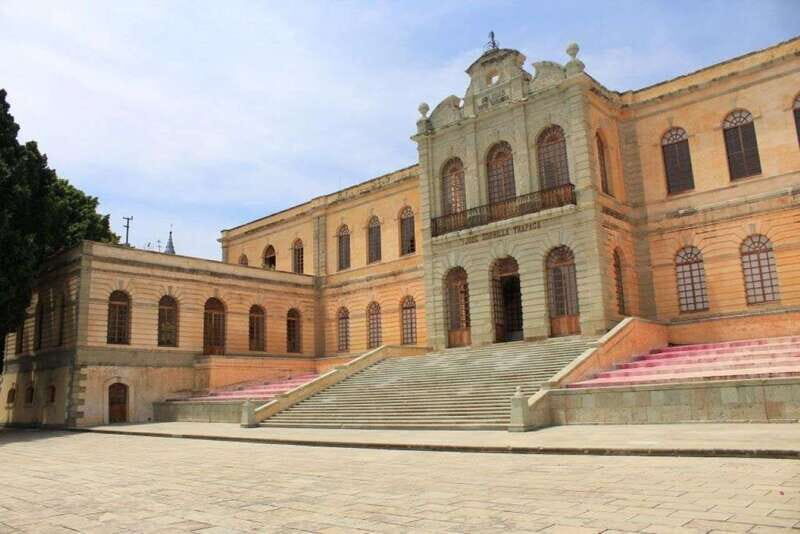
Next up is the Centro de las Artes de San Agustín. The building you’ll visit is the former La Soledad Yarns and Fabrics Factory, established in 1883 to manufacture raw blankets from cotton. Today, it’s been renovated as a modern ecological arts center for contemporary exhibitions and cultural events.
What to watch for: the architecture itself. Even if you’re not a die-hard art museum person, factory-to-arts conversion is fascinating because you can still see the industrial bones. It gives the day variety—your hands encounter papermaking first, then your eyes get a shift into design, art spaces, and the history embedded in walls.
Many tours also include a market stop around the Etla arts and crafts area. That’s where you can browse what’s being made locally without turning it into a hard sell. You’ll be in a place where people are used to visitors asking questions—so if you want to know what something is made from, this is the right stop to do it.
One consideration: this portion can feel more like “walk, look, and learn the space” rather than a workshop. If you want only demonstrations, manage your expectations and treat the arts center as part of the cultural context for the day’s crafts.
Quesillo secrets and a fresh tasting in Etla
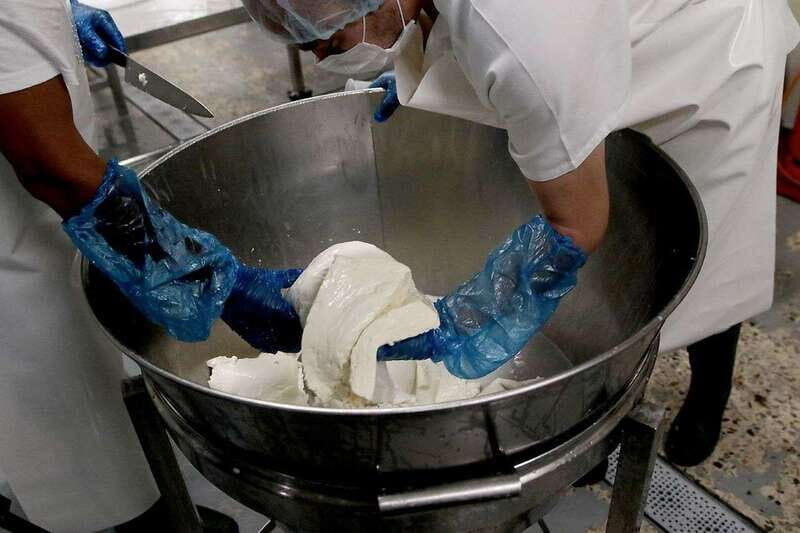
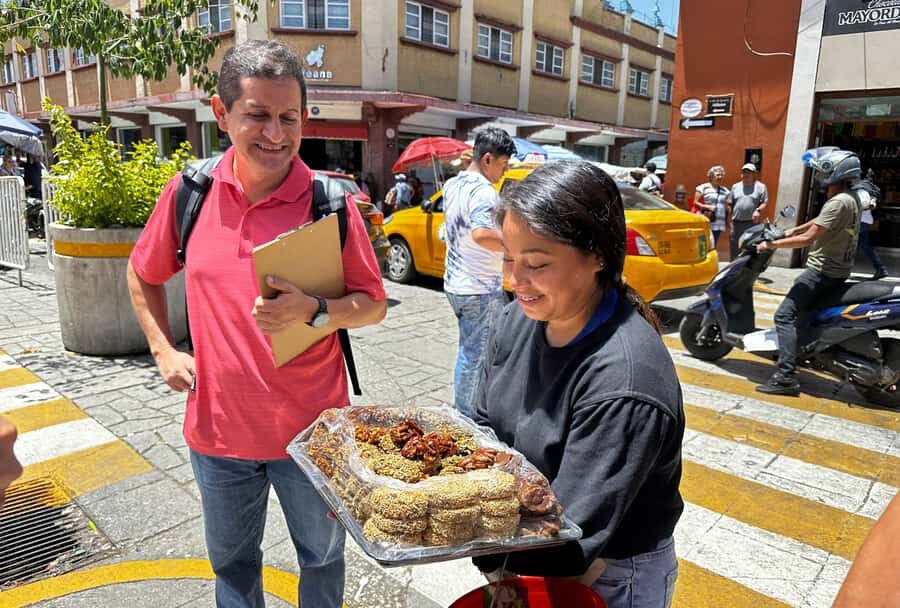
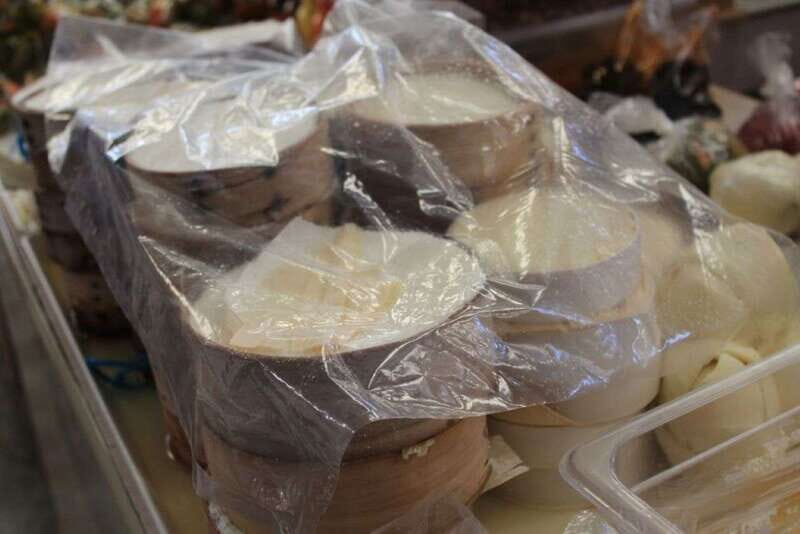
The final craft focus is Quesillo, a traditional Oaxaca cheese with a distinctive flavor and texture. You’ll learn how it’s made and why it matters in Oaxaca gastronomy—then you’ll taste it fresh.
This is the part that tends to land hardest with food lovers because it connects craft to appetite. You see or hear about the process, then you get a direct “try it now” payoff. That’s a great learning loop: technique first, taste immediately after.
Your day also includes a visit to the Etla market, known for being located in the area where Quesillo is associated with origins. That’s a subtle but meaningful detail. It’s not just cheese tasting as a standalone activity; it’s cheese as part of a regional supply chain and local food culture.
Extra note on add-ons: there’s an optional Quesillo class listed as an additional cost (USD 12.00). Some days also offer an optional paper factory add-on (USD 2.20). If you’re trying to squeeze in maximum hands-on learning, ask your guide during the day whether those add-ons are still available when you arrive.
Timing that keeps the crafts moving (and where the day can feel short)

The tour runs about 4.5 hours total. That means you’ll see three main experiences—papermaking, arts center, and cheese—without long downtime.
The trade-off is that each stop has a defined window. If you love slow tourism, you might feel you’re “between moments” rather than staying long enough to master one technique. But if you like variety and a clear structure, the pace is a strength. You’ll leave with a sense of how multiple artisanal trades work in the same region.
A practical heads-up: schedules can vary depending on how things are running at each workshop moment. In English, that can sometimes mean you get less detailed commentary than you hoped, especially if the group includes both Spanish-speaking and English-speaking participants. If that’s your concern, be proactive. Ask for follow-up explanations. Good guides can usually adjust their delivery on the fly.

Getting the most from the bilingual guide and the van logistics

The tour includes an air-conditioned van and a bilingual tour guide (English and Spanish). Pickup is included from central Oaxaca, and your guide waits in the lobby wearing a blue shirt with the local partner’s logo.
In recent departures, guides such as Edgar have led the experience, with drivers like Ramses handling transport. Another guide you might see on some dates is Lally. If you get one of those guides, you’re in good hands for clarity and helpful translation.
How to work with a bilingual setup:
- If the group has mixed language needs, don’t assume the guide will realize you need an extra layer of detail. Ask direct questions.
- If you’re watching a process, ask what the key step is. “Which part changes the texture?” is usually easy to answer.
Also remember: this isn’t designed for wheelchair users or for people with mobility impairments. You’ll be moving between sites and managing uneven areas that come with working craft environments.
Price and value: why $43 can make sense here
At $43 per person, you’re paying for more than “a ride and a look.” You’re covering:
- Hotel pickup and round-trip transport in an air-conditioned van
- A bilingual guide to translate craft processes
- Access to working or semi-working artisanal environments (paper and cheese)
- A cheese tasting tied to Quesillo production and regional context
What isn’t included can matter for budgeting. Food and drinks are not included, and you may choose optional add-ons like the Quesillo class and the paper factory visit. If you show up hungry, the lack of included snacks can feel annoying. Plan on either grabbing something before you go or budgeting a small meal after.
Is it the best deal if you only want food? Not necessarily. But if you care about Oaxaca crafts—especially paper made from natural fibers plus a hands-on taste of Quesillo—it’s a strong value package for a half-day.
What to bring, what to skip, and how to stay comfortable
Here’s the simple packing checklist that matches the realities of the day:
- Sunglasses
- Sun hat
- Comfortable clothes
- Cash
And a few boundaries:
- No pets
- No luggage or large bags
This matters because craft-focused tours often involve tight spaces and extra steps through shop areas. Traveling light keeps it smooth.
Who should book this tour
This experience is a great fit if you want a practical, craft-focused day in Oaxaca State and you like learning by watching and tasting. It also works well as a change of pace: paper production and cheese are both tied to regional materials and food culture, but they feel very different in your senses.
It’s likely not your best match if:
- You need step-free accessibility or wheelchair-friendly routing (it’s not suitable for mobility impairments)
- You only want deep, extended instruction in one language
- You hate structured group timing and prefer long free wandering
Should you book the Oaxaca papermaking and Quesillo tour?
I’d book it if you want a high-variety half-day that connects natural-fiber papermaking to fresh Quesillo tasting in the same region. The itinerary is short, but it’s built around meaningful craft moments: raw materials become paper, cotton-and-factory history becomes an arts space, and local cheese becomes something you can taste immediately.
If you’re the type who needs very detailed, moment-by-moment explanation in English, consider arriving ready with questions so you can guide the conversation. And if you’re traveling with food needs, plan your snack timing since food and drinks aren’t included.
FAQ
How long is the Oaxaca papermaking and Quesillo tour?
The tour lasts about 4.5 hours.
What is the price per person?
The price is $43 per person.
Is hotel pickup included?
Yes. Pickup is included from your hotel in central Oaxaca.
How far do you travel from Oaxaca City?
You travel about 20 kilometers (approximately 12.5 miles) north of Oaxaca City to the Etla District area.
What language is the tour guide?
The tour guide is bilingual, with Spanish and English.
What’s included in the price?
Included items are air-conditioned transportation and a bilingual tour guide.
What costs extra during the experience?
Food and drinks are not included. Quesillo class is listed as USD 12.00, and the paper factory is listed as USD 2.20 (both extra).
Do I need to bring cash?
Yes. Cash is recommended.
Is the tour suitable for wheelchair users or people with mobility impairments?
No. It is not suitable for people with mobility impairments or wheelchair users.
What is the cancellation policy?
Free cancellation is offered up to 24 hours in advance for a full refund.
Can I reserve without paying right away?
Yes. The offer includes reserve now & pay later, meaning you can book and pay nothing today.