REVIEW · OAXACA CITY
Explore Hierve el Agua, Mitla, Tule, Textile and Mezcal for a day
Book on Viator →Bookable on Viator
Hierve el Agua is the headliner. This full-day outing blends petrified waterfalls with Zapotec culture and stops for wool textiles, a stargazing tree, and mezcal. I love how the pacing gives you time to hike, then actually relax in the natural pools, and I also like that the day includes entrance fees and an easy, English-friendly format led by guides such as Luis or Pavel. One drawback to plan around: the Hierve el Agua walk is steep and can be rough on knees, so bring smart footwear and expect a workout.
Price-wise, you get a lot for the money: air-conditioned transport, bottled water, site entry fees, and a free mezcal tasting, all in one long but efficient circuit starting at 8:00 am. The total time is about 11 hours, with a max group size of 20, so it can feel more human than the bigger bus chaos. Still, you’ll be out most of the day, and lunch is on your own tab at a buffet restaurant.
In This Review
- Key things to know before you go
- The real value of this Oaxaca day: one route, five cultures, minimal hassle
- Getting started: 8:00 am pickup and how the day stays organized
- Stop 1: Teotitlán del Valle rug weaving and natural dye lessons
- Stop 2: Hierve el Agua petrified waterfalls, hike choices, and mineral pools
- How to make the most of the hike
- The pools are the payoff
- Stop 3: Mitla ruins with a guided walk through Zapotec meaning
- Stop 4: El Rey de Matatlán mezcal process and tasting session
- Stop 5: Santa María del Tule’s giant sabino tree and local legends
- Lunch reality: buffet meal at your expense (and what to expect)
- Comfort checklist for an 11-hour day
- Value math: is $75.12 worth it?
- Who this tour is best for (and who should think twice)
- Final call: should you book this Oaxaca day tour?
- FAQ
- How long is the tour?
- What does the price include?
- Is lunch included?
- Is the tour offered in English?
- What time does the tour start and where do you meet?
- How much time do you spend at Hierve el Agua?
- Do I need to be in good shape for the hike?
- Is there a limit on group size, and are service animals allowed?
Key things to know before you go
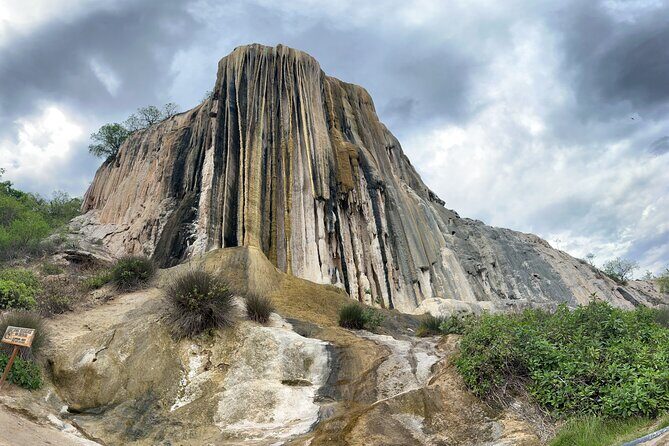
- Hierve el Agua gives you hike time plus mineral pools (and even a chance to see the falls from below if you choose the stairs).
- Teotitlán del Valle textiles focus on handmade wool rugs and natural dyes from things like cochineal, pomegranate, and indigo.
- Mitla is worth it with a certified bilingual guide who explains Zapotec cosmovision as you walk the ruins.
- Mezcal at El Rey de Matatlán includes a production walkthrough and a guided tasting session.
- Santa María del Tule’s huge sabino tree is a short but memorable stop with legends and local context.
- Max 20 people helps keep the day organized, though a few stops can get crowded when multiple buses arrive.
The real value of this Oaxaca day: one route, five cultures, minimal hassle
This is the kind of day trip that works best when you have limited time in Oaxaca City and you want variety without spending hours coordinating. You’re not just ticking boxes. You’re seeing how different Oaxaca traditions connect to place and resources: plants and insects become dye, agave becomes mezcal, and the Zapotec world shows up in stone at Mitla.
I like that the tour is built around a clear “outside Oaxaca” arc. You leave early, hit a textile town, jump to one of Oaxaca’s most dramatic natural sites, then shift back to history and craft before ending with mezcal. The result is a day that feels busy, but not random.
There’s also a practical upside to how it’s structured: entrance fees are included, and you won’t be juggling ticket lines at multiple sites. Add the bottled water and air-conditioned vehicle, and the day is more comfortable than doing it DIY-style if you’re short on planning time.
If you're still narrowing it down, here are other tours in Oaxaca City we've reviewed.


Getting started: 8:00 am pickup and how the day stays organized

The day begins at 8:00 am at Melchor Ocampo 1017A in Barrio de la Noria, then ends back near the Zócalo area. Expect an all-day schedule (about 11 hours), so plan to eat something light before you leave if your stomach likes consistency.
One detail I appreciate is the language setup. This tour is offered in English, and in at least some departures there are two groups on the same route (English-speaking and Spanish-speaking buses). That matters because it helps keep timing smooth and prevents slowdowns when people can’t follow explanations.
Stop 1: Teotitlán del Valle rug weaving and natural dye lessons
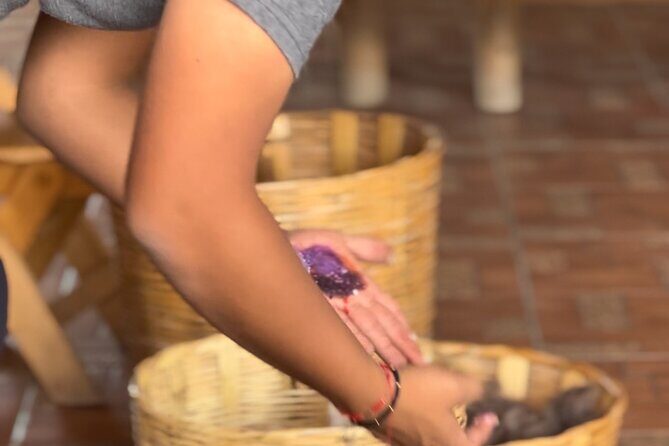
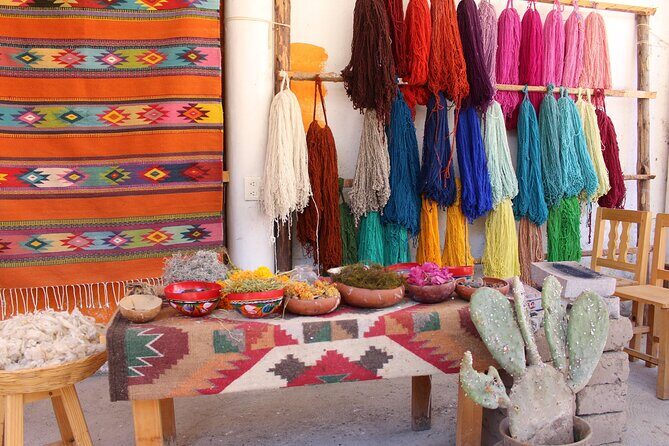
Teotitlán del Valle is famous for handmade wool rugs made on pedal looms, and this stop is where you’ll see craft as a living process, not a souvenir display. What I find interesting is the emphasis on natural pigments pulled from the environment: cochineal, pomegranate, and indigo show up as sources for color. The whole point is that these rugs aren’t just pretty; they’re built using inherited techniques and materials that reflect local ecology.
You’ll typically have about an hour here. That’s enough time to learn what you’re looking at and to browse without feeling trapped in a shop for ages. If you want to buy, this is also the stop where negotiation sometimes happens. But don’t expect an easy “walk away” moment. In small towns like this, purchases tie into the family workshop rhythm.
A practical tip: if color really matters to you, slow down. Wool rug color can look slightly different under shop lighting, so compare by looking at several angles and letting your eyes adjust.
Stop 2: Hierve el Agua petrified waterfalls, hike choices, and mineral pools
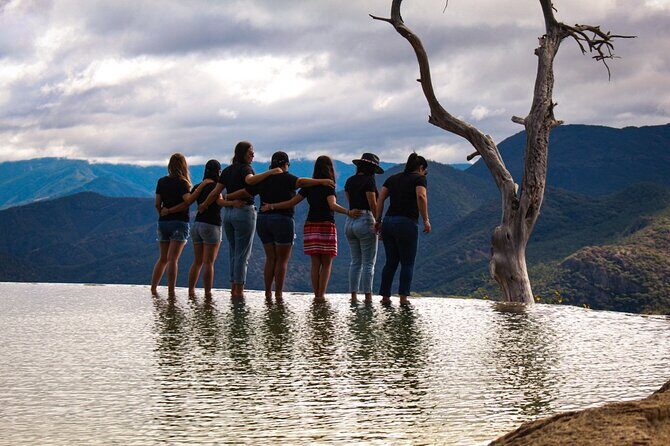
This is the star of the day. Hierve el Agua is known for petrified waterfall formations and natural pools with mineral-rich water, and it’s one of those places where the views feel bigger than photos.
Plan on around 2 hours and 30 minutes on-site. That time includes both movement and downtime: a walk around to take in views of the formations, plus a chance to refresh in the pools. You should wear comfortable clothes and supportive footwear because the hike involves uneven stone paths and stairs. If you want to swim, pack swimwear and a towel.
How to make the most of the hike
The best approach is simple: don’t rush, and choose your effort level. Some people go for the longer route around the falls; others prefer the stairs route to reach the bottom viewpoint, then return to the pools. From a comfort standpoint, I’d rather you do the viewpoint you can handle than try to force every last path.
Also: the trail can be hot and can have little shade. Bring water with you when you can, and take breaks even if you feel fine at the start.






The pools are the payoff
Here’s why this stop works so well: the scenery keeps you interested while the mineral pools do the recovery work. After the walk, you’ll get that slow, cooling soak that makes the uphill feel worth it. Some people find the water cold at first, then completely manageable once you settle in.
Important: bring extra clothes for the return. You may end up wet, sweaty, and dusty in the same hour.
Stop 3: Mitla ruins with a guided walk through Zapotec meaning

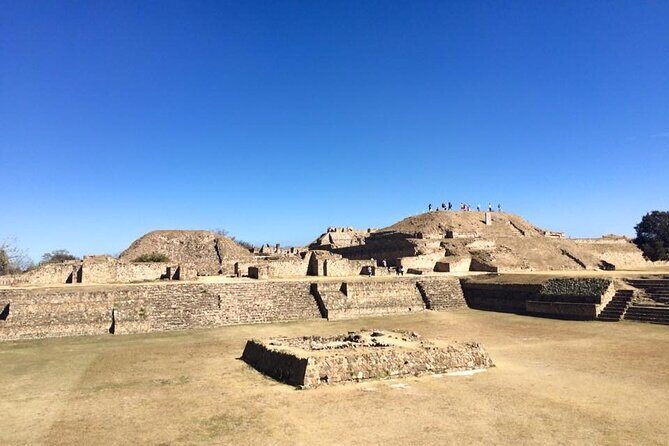
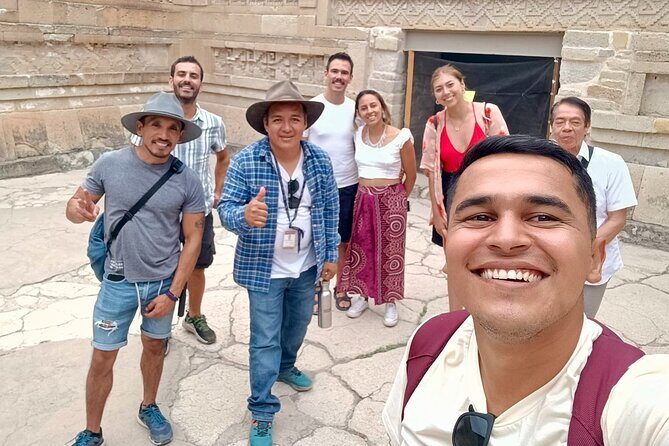
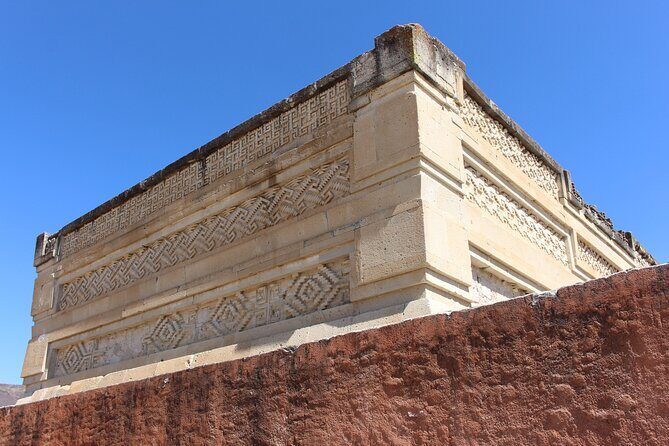
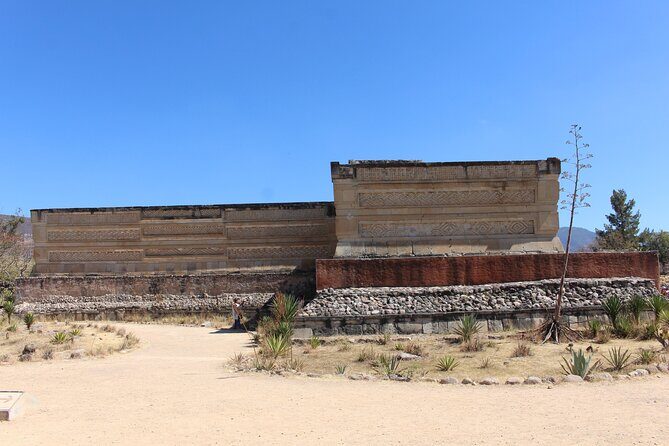
Mitla is an archaeological site where architecture does the talking. You’ll visit with a guide (certified bilingual support is part of the experience), and the goal isn’t just to show you stones. It’s to help you understand Zapotec cosmovision, so the site feels less like a backdrop and more like a cultural message carved into place.
Time here is about 1 hour. That sounds short, but for a well-guided stop it’s usually enough to grasp the layout and catch the key features without exhausting you before the rest of the day.
Mitla is also one of the best places for photos—especially if your guide points out specific alignments and details. Stonework at Mitla is intricate, and a guide helps you see it instead of walking past it on autopilot.
Stop 4: El Rey de Matatlán mezcal process and tasting session

Mezcal is the cultural closer, and this stop focuses on how it’s made rather than just asking you to taste shots. At El Rey de Matatlán, you’ll learn about different agave varieties used for production and watch the process from cooking to crushing, fermentation, and distillation. The production steps are presented as traditional techniques that have stayed similar over centuries.
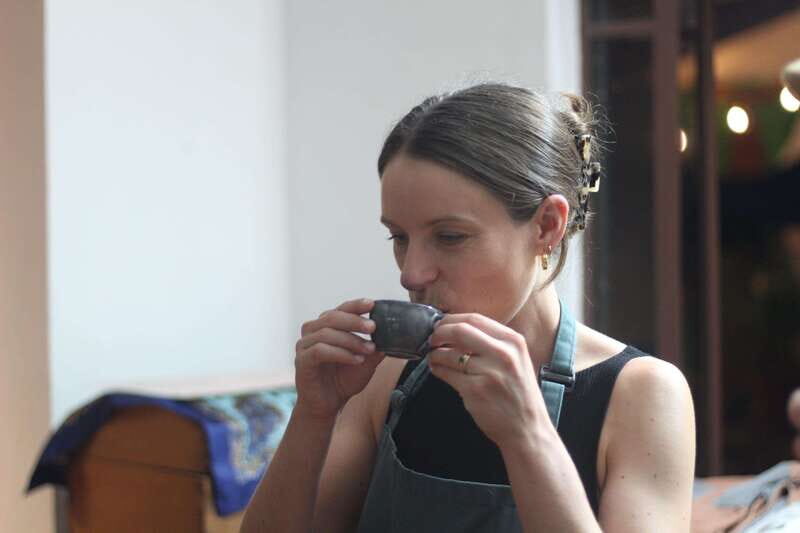
Then comes the tasting. You’ll get a guided session where you can sample different mezcals, and alcoholic drinks are offered as part of the experience.
A practical note: if you’re sensitive to alcohol or you don’t drink much, treat the tasting as learning time, not a challenge. Sip slowly, and keep an eye on hydration because it’s still an all-day outing.
Stop 5: Santa María del Tule’s giant sabino tree and local legends
Santa María del Tule is a short stop, about 40 minutes, but it’s memorable. The Ahuehuete (sabino) tree here is known for being exceptionally wide—often described as the widest tree in the world—and your guide will share historical facts and the legends connected to it.
This stop is great as a breathing moment after the intensity of Hierve and the indoor craft and production elements. You’ll get a sense of place and time in a way that doesn’t require museum energy.
If you like nature that feels tied to culture rather than separate from it, this is the kind of stop that hits.
Lunch reality: buffet meal at your expense (and what to expect)
Lunch is a buffet restaurant stop, and it’s not included in the tour price. That’s a key value detail: you’re paying for transport and entry fees in the base price, then budgeting separately for the meal.
From on-the-ground experience, this buffet stop can be hit-or-miss depending on timing and how hungry everyone is. Still, the format usually gives you options, including local favorites and vegan choices, so you’re not stuck finding one item you can tolerate.
If you’re picky or have dietary needs, eat what you can and don’t feel pressured to try everything. The tour is long, and you’ll still want energy for the later stops.
Comfort checklist for an 11-hour day
This is a long day, and the physical demands aren’t even across the route. Mitla and the town stops are manageable, but Hierve el Agua is the one that decides how you feel by the end of the day.
Bring:
- Swimwear and a towel if you want to use the pools
- Supportive shoes for stairs and uneven ground
- A change of clothes for after the water and hike
- Some small cash for practical needs like snacks or restroom fees (changing rooms and bathrooms exist on-site, and having a few coins/bills helps)
If you have bad knees or limited mobility, consider sitting out the longer hike and focusing on the pools and viewpoints you can reach comfortably.
Value math: is $75.12 worth it?
Let’s be honest: $75.12 for an 11-hour Oaxaca circuit sounds like a lot until you compare what it bundles. Here, you’re getting:
- Air-conditioned transportation
- Bottled water
- Entrance fees included for the stops
- A free mezcal tasting
- English-friendly guiding
And you’re not paying separately for tickets and logistics for multiple sites spread outside the city. If you’re trying to recreate this route on your own, you’d likely spend time, money, and stress on transport and entry fees alone.
So yes, it’s a fair price for what you get—especially if Hierve el Agua is on your must-see list and you don’t want to figure out the full day transportation puzzle.
Who this tour is best for (and who should think twice)
This tour fits best if you:
- Want a high-variety Oaxaca day outside the city
- Like guided interpretation at history sites like Mitla
- Enjoy hands-on learning about craft (textiles) and production (mezcal)
- Don’t mind a long day as long as it’s organized
It’s not ideal if you:
- Struggle with stairs, steep paths, or knee issues
- Want a slow pace with lots of free wandering
- Prefer to control each stop time precisely
One nice thing from the way the day is run is that you’re guided enough to understand what you’re seeing, but you still get moments to look around and take photos without feeling constantly “on cue.”
Final call: should you book this Oaxaca day tour?
I’d book it if you want one efficient day that ties together nature, ancient Zapotec culture, craft, and mezcal without stacking separate plans. Hierve el Agua alone makes the schedule worth it, and the included entrance fees remove a lot of the DIY headaches.
Skip or modify your plan if you know the Hierve el Agua hike will be a problem for your body. Bring the right gear and use the time options wisely, but don’t force the hardest route if it risks ruining the rest of your day.
If you want a day trip that feels like a focused Oaxaca sampler rather than a frantic sprint, this hits that sweet spot.
FAQ
How long is the tour?
It runs for about 11 hours.
What does the price include?
Entrance fees to the sites are included, plus bottled water during the tour, air-conditioned transportation, and a free mezcal tasting.
Is lunch included?
No. Lunch is at your own expense. The tour visits a buffet restaurant and includes vegan options, but you still pay separately.
Is the tour offered in English?
Yes. This experience is offered in English.
What time does the tour start and where do you meet?
The tour starts at 8:00 am at Melchor Ocampo 1017A, Barrio de la Noria. It ends near the Zócalo on Av. de la Independencia.
How much time do you spend at Hierve el Agua?
You’ll have about 2 hours and 30 minutes there, including time for walking and time to refresh in the natural pools.
Do I need to be in good shape for the hike?
You should have moderate physical fitness. Hierve el Agua involves a hike with stairs, so comfortable footwear matters.
Is there a limit on group size, and are service animals allowed?
The tour has a maximum of 20 travelers, and service animals are allowed.