REVIEW · OAXACA CITY
4 Moles Oaxacan Cooking Class with Traditional Cook
Book on Viator →Operated by Casa Crespo Cooking Class · Bookable on Viator
Mole in Oaxaca is not just a sauce. It’s a whole flavor system, and this class shows you how 4 different moles connect back to older cooking methods and later influences. You’ll cook with Chef Carrizosa and follow the logic of the dishes as they evolve from pre-Hispanic techniques to viceregal and Old World ideas.
I love that you’re not stuck watching. You prepare the green and yellow moles from endemic chilies and old-school techniques, then you taste how the other two moles change the rules of the game. The class also feels warm, clean, and well organized, with clear directions and helpful cultural context.
One possible drawback: it’s designed as a short, hands-on session, so if you want a long cooking day or deep knife-work training, this may feel a bit brief. The upside is you still leave with full plates and a strong sense of what makes each mole different.
In This Review
- Key Highlights You’ll Actually Care About
- Moles in Oaxaca: Why This 4-Mole Class Makes Sense
- Meeting at Casa Crespo (and What to Expect Before You Cook)
- Chef Carrizosa’s Mole Lesson: How the Menu Teaches Flavor Logic
- Green Mole: Pre-Hispanic-Style Grinding, Herbs, and a Veg + Omelette Plate
- Yellow Mole: Dried Chilies, Tomato, and the Pumpkin Flower Tortilla
- Almond Mole and the Old-World Thread: How “Miscegenation” Shows Up on a Plate
- Party Mole and Enchilada Format: The 17-Ingredient Mole Moment
- Tortilla Pairings: The Genius Teaching Tool Most People Ignore
- Dessert: Chocolate Ice Cream with Guajillo Chili Powder
- Value for $80: What You Get and Why It’s Not Just “Pay for Cooking”
- Who Should Book This Cooking Class (and Who Might Skip)
- Practical Details That Help Your Day Run Smoothly
- Should You Book 4 Moles Oaxacan Cooking Class?
- FAQ
- Where does the 4 Moles Oaxacan Cooking Class meet in Oaxaca City?
- What time does the class start?
- How long is the cooking class?
- Is the class offered in English?
- What’s included in the price?
- What is the maximum group size?
- Are tips included?
- FAQ
- Can I use a mobile ticket for this experience?
- Is service animal access allowed?
- Is transportation nearby?
- Will the class end at the same place it starts?
Key Highlights You’ll Actually Care About
- Small group size (max 12) keeps the pace friendly and lets you ask questions as you cook
- Chef Carrizosa guides the session, tying each mole to older Oaxaca traditions and later influences
- 4-mole menu teaches progression: green and yellow start with local chile and tortilla dough logic, then almonds and party mole shift the flavor story
- Tortilla pairings aren’t an afterthought; each mole gets its own tortilla style
- English offered with a structure that’s easy to follow if you don’t speak Spanish
- Includes meals and alcohol so you’re not doing extra budgeting for food mid-trip
Moles in Oaxaca: Why This 4-Mole Class Makes Sense
If you’ve only had one kind of mole, you might think it’s just dark sauce. In Oaxaca, mole is more like a family of dishes with different DNA. This class makes that idea click fast because you cook and eat multiple styles that each depend on specific ingredients and methods.
The best part is the way the session frames evolution. You start with the pre-Hispanic roots behind the name and the techniques, then you see how Oaxaca’s moles absorbed influences over time. The course even connects mole to the idea of molli, a Nahuatl word tied to salsa, which helps you understand why people treat mole as a cultural cornerstone, not a restaurant gimmick.
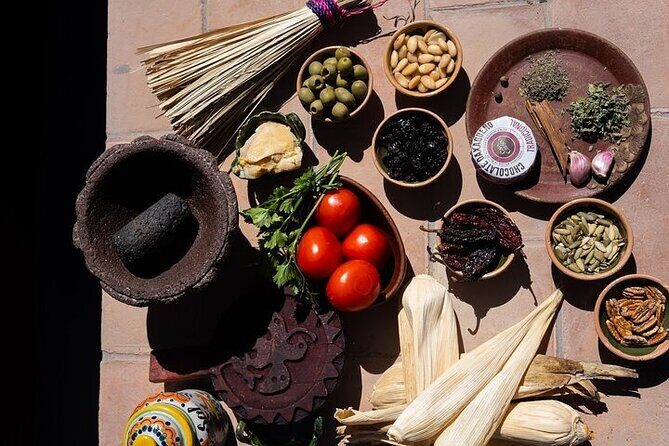
You also get a very practical payoff: you learn what the ingredients are doing. Chilies matter, tortilla dough matters, and the supporting cast (like herbs, almonds, tomatoes, and specialty tortilla forms) changes the texture and aroma in a way you can recognize later at home.
If you're still narrowing it down, here are other tours in Oaxaca City we've reviewed.



Meeting at Casa Crespo (and What to Expect Before You Cook)
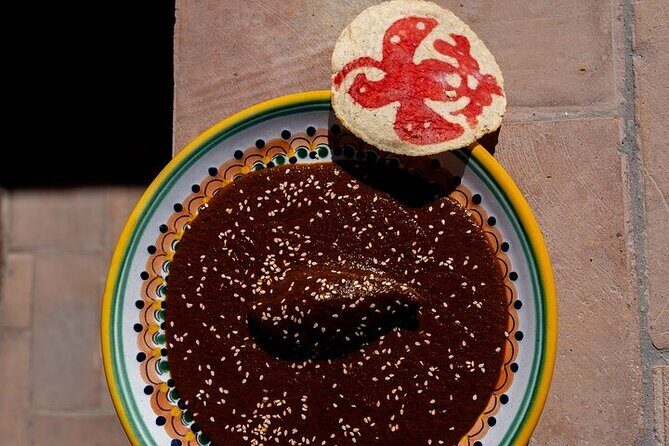
You meet at Casa Crespo at Reforma 808, Ruta Independencia, in Oaxaca City’s Centro. It starts at 1:30 pm, and the activity ends back at the same meeting point. That round-trip setup is convenient when you’re trying to fit one more thing into a day that’s already packed with markets and walking.
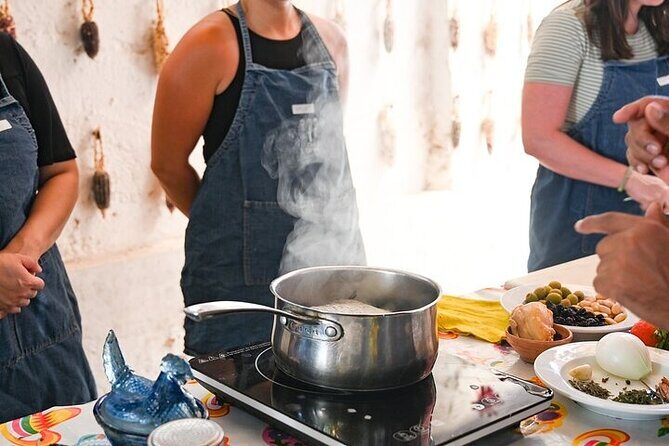
The experience is offered in English, and it uses a mobile ticket, which is exactly what you want when your phone is already your travel toolbox. The group stays small, capped at 12 travelers, so it doesn’t feel like a mass cooking show where you’re stuck watching from the back.
Also, the place runs clean and orderly. In a short class like this, that matters more than you’d think. When your workspace is tidy and the directions are clear, you spend less time fumbling and more time tasting and learning.
Chef Carrizosa’s Mole Lesson: How the Menu Teaches Flavor Logic
Chef Carrizosa leads you through a 4-mole menu, designed to show how mole changes from one version to the next. You’ll also pair each dish with a different tortilla, which is a smart teaching tool because tortilla texture and shape affect how the mole lands on your palate.
Think of the class like a guided tasting you participate in. The goal isn’t only to produce food; it’s to understand why a green mole tastes one way, why a yellow mole feels different, and why the later moles bring in other ingredients that shift the flavor arc.
You’ll finish with dessert: Oaxacan artisan chocolate ice cream dusted with guajillo chili powder. That pairing is a great reminder that Oaxaca doesn’t treat sweet and spicy as opposites. They often share a plate.
Green Mole: Pre-Hispanic-Style Grinding, Herbs, and a Veg + Omelette Plate
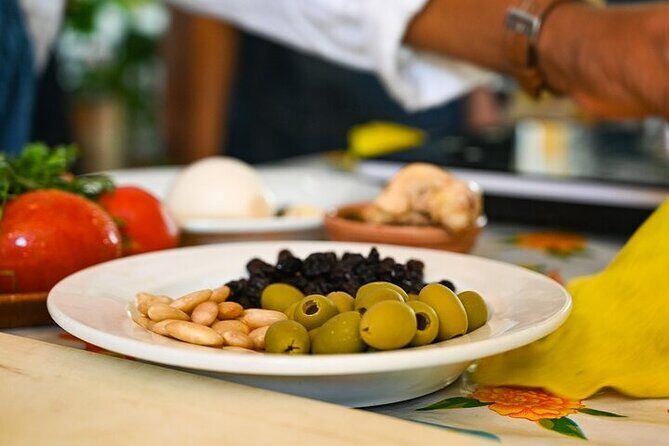
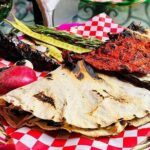
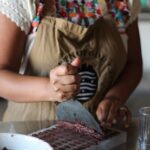
Your first main is Green mole, and it starts with the kind of pre-Hispanic method that makes this dish more than just “green sauce.” You’ll use a grind made from herbs and tortilla dough, then it’s served with vegetables. There’s also an omelette made with holy herb, which adds a distinctive herbal note that keeps the plate from feeling flat or grassy.
This is one of the most interesting parts for me because it teaches you how mole can be built without relying only on dark chiles. Green mole uses aromatics and grounded ingredients to create depth, so when you taste it, you can separate flavor components instead of lumping everything into one flavor blob.
A practical tip: if you’re sensitive to strong herbal flavors, go slowly at the beginning of the tasting. This dish leans into herb character, and once you accept that direction, the rest of the mole lineup makes more sense.
Yellow Mole: Dried Chilies, Tomato, and the Pumpkin Flower Tortilla
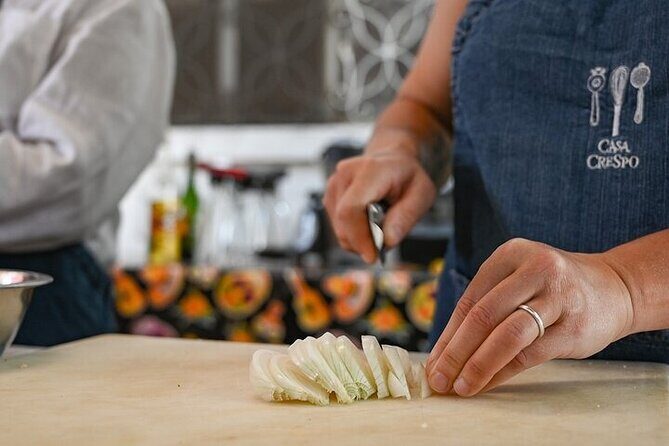
Next comes Yellow mole, built from dried chilies, tortilla dough, and tomatoes. It’s served with a pumpkin flower tortilla, which changes the experience in a big way. The flavor of mole can be hard to judge if the bread or tortilla isn’t right, and here the tortilla is part of the recipe logic.
Yellow mole also helps you compare methods. When you switch from herb-ground and green tones to dried chile and tomato, the aroma shifts, and the texture can feel more rounded. The dried chile character tends to bring a deeper, slightly smokier base, while the tomato connects everything and prevents the dish from going too one-note.
If you’re a spice-level person, this is the moment to pay attention. Dried chilies often behave differently than fresh ones in both heat and aroma. You’ll get a real feel for how chili form changes the final profile.




Almond Mole and the Old-World Thread: How “Miscegenation” Shows Up on a Plate
The next main is Almond mole, described as a viceroyal cuisine mole with ingredients tied to Old World influence. It uses almonds and tomatoes, then it’s served with a ceremonial tortilla.
This is where the class becomes more than cooking technique. You start noticing how Oaxaca’s food world is shaped by mixing. The almond doesn’t just add flavor; it changes the body and tone of the mole in a way that’s different from chile-heavy versions.
I also like that the class doesn’t treat this as a random “different mole.” It’s presented as part of the story of miscegenation—ingredients arriving from abroad and becoming local through Oaxaca’s own culinary methods. When you taste almond mole after green and yellow, the contrast teaches you the role of nuts versus chilies in creating richness and balance.
If you’re someone who’s skeptical about fusion food, this is a good test case because the class is framed as evolution, not a gimmick. It’s one of the clearer ways to see how history can show up in everyday cooking.
Party Mole and Enchilada Format: The 17-Ingredient Mole Moment
The last mole is often the one people remember: Party mole, made with 17 ingredients. Here, the mole is served as an enchilada.
A 17-ingredient mole sounds like a lot, because it is. But the value for you is the outcome: complexity you can taste, and a sense of how multiple building blocks work together rather than competing. Even without naming every ingredient, you can usually recognize patterns like sweet-bitter balance, toasted notes, and how the sauce clings and spreads across tortilla and filling.
The enchilada format matters too. Mole can taste different when it coats a tortilla gently versus when it soaks in more and becomes part of a packaged bite. You get that real-world difference in texture and flavor intensity during this course.
Also, because the class is only about 2 hours 30 minutes, this is a great “last main” structure. You end with the most complex feeling dish without dragging the whole day into kitchen fatigue.
Tortilla Pairings: The Genius Teaching Tool Most People Ignore
Every mole gets a different tortilla pairing, and that’s more important than it sounds. Tortillas in Oaxaca aren’t interchangeable. They carry texture, aroma, and even subtle flavor notes based on ingredients and preparation.
In this class, you’ll see four distinct tortilla contexts:
- Green mole served alongside vegetables and an omelette made with holy herb
- Yellow mole with a pumpkin flower tortilla
- Almond mole with a ceremonial tortilla
- Party mole served in an enchilada form
For learning, that’s gold. If you eat one sauce repeatedly with the same tortilla, you lose clarity. With these pairings, you can trace what’s coming from the mole versus what’s coming from the tortilla itself.
And honestly, it’s practical too. It keeps the meal from feeling repetitive, which is key in a cooking class where you’re tasting your work as you go.
Dessert: Chocolate Ice Cream with Guajillo Chili Powder
You finish with Oaxacan artisan chocolate ice cream plus guajillo chili powder. That’s a smart closer because chocolate can stand up to heat and spice without turning into something awkward.
Guajillo brings a mild, smoky-fruity character rather than a blunt chili punch. Combined with chocolate, it makes the sweetness feel deeper instead of just sugary.
If you’re curious about Oaxacan flavor style, this dessert is one of the easiest ways to notice the theme: balance. Sour, bitter, sweet, and heat can coexist without one taking over.
Value for $80: What You Get and Why It’s Not Just “Pay for Cooking”
At $80 per person, you might wonder if this is just a class where you eat a few spoonfuls. It’s not set up that way. You get meals (four mains plus dessert) and alcoholic beverages included, which changes the math in a big way.
The real value is the combination of instruction + tasting + cultural framing. Moles can be intimidating at home because recipes are long and ingredient lists feel endless. This class gives you a manageable map: green and yellow rely on endemic chile and older tortilla-dough methods, almond mole illustrates later influence, and party mole shows what happens when many ingredients come together.
Time matters too. 2 hours 30 minutes is long enough to be satisfying but short enough to fit between other Oaxaca plans. That’s especially helpful if you’re planning a market visit, a food walk, or a museum afternoon.
One last consideration: alcohol is included, so if you’re planning to walk around afterward, keep your hydration and pacing in mind. You’ll still be in Centro, so you’ll likely do some steps, and you don’t want the day to get away from you.
Who Should Book This Cooking Class (and Who Might Skip)
This class fits best if you want a hands-on food experience with clear structure and a story you can taste. If you care about flavors that go beyond “spicy,” and you like learning how local methods connect to later influences, you’ll get a lot out of the moles-by-type progression.
It’s also a good pick if you prefer smaller groups. A maximum of 12 travelers means you’re more likely to get individual attention when questions pop up.
You might want to choose something else if you’re looking for a full-day cooking immersion, or if you want highly specialized instruction on grinding, baking, or advanced kitchen technique. This is focused and efficient, built to leave you fed and informed.
Practical Details That Help Your Day Run Smoothly
The start time is 1:30 pm, so plan your morning accordingly. You can still do a morning market stop, then return for a late lunch-style cooking session.
The meeting point is in Centro at Casa Crespo, Reforma 808, Ruta Independencia. Since the tour is near public transportation, it’s easier to reach than experiences tucked into the far edges of town. Also, you’ll come back to the same place at the end, which reduces stress when you’re coordinating with other plans.
One more thing: tips are not included. If you’re the kind of person who budgets tips in advance, set a little aside so it doesn’t come as a surprise.
And since this experience is described as non-refundable and cannot be changed, treat it like a firm commitment. If your schedule is uncertain, only book when you’re confident you can make the 1:30 pm start.
Should You Book 4 Moles Oaxacan Cooking Class?
Book it if you want a compact, delicious education in how mole works in Oaxaca. Chef Carrizosa’s approach, the small group size, and the 4-mole menu with distinct tortilla pairings make it easy to learn without feeling overwhelmed.
Skip it if you’re chasing a very long cooking day or deep technical training. This is about understanding and tasting, not spending hours in the kitchen.
For most visitors, though, this is a strong “value + authenticity” choice: you’ll leave with full bellies, better flavor instincts, and a clearer idea of why green, yellow, almond, and party moles belong in the same conversation.
FAQ
Where does the 4 Moles Oaxacan Cooking Class meet in Oaxaca City?
It starts at Casa Crespo, Reforma 808, Ruta Independencia, Centro, 68000 Oaxaca de Juárez, Oax., Mexico.
What time does the class start?
The class starts at 1:30 pm.
How long is the cooking class?
It lasts about 2 hours 30 minutes.
Is the class offered in English?
Yes, it’s offered in English.
What’s included in the price?
Meals and alcoholic beverages are included.
What is the maximum group size?
The activity has a maximum of 12 travelers.
Are tips included?
No, tips are not included.
FAQ
Can I use a mobile ticket for this experience?
Yes, the tour includes a mobile ticket.
Is service animal access allowed?
Yes, service animals are allowed.
Is transportation nearby?
It is near public transportation.
Will the class end at the same place it starts?
Yes, it ends back at the meeting point.