REVIEW · OAXACA CITY
5 Hours Guided Day of The Dead Evening Walking Tour in Oaxaca
Book on Viator →Operated by Mexico Kan Tours · Bookable on Viator
Oaxaca City turns evening into a living story. This Día de Muertos walking tour takes you through flowered streets and offering-filled alleyways, with key cultural stops like Santo Domingo and the cemetery area. You get a guide to explain how the Oaxacan celebration works, not just where to walk.
I especially like the small group size (up to 10) and the way the tour builds meaning stop by stop. Guides such as Pablo, Lea, and Carlos come up in past experiences as friendly and story-focused, taking you into neighborhoods you’d probably skip on your own.
One possible drawback: the price can feel steep if you’re expecting a big feast or huge amounts of Day of the Dead activity right on cue. And if the cemetery stop is closed for any reason, that’s when the experience can lose some of its punch.
In This Review
- Key things to know before you go
- Why Día de Muertos in Oaxaca City Works So Well at Night
- The Walking Route: Plaza Cruz de Piedra to Barrio de Xochimilco
- Market Streets and City Stops That Teach You How the Holiday Fits Daily Life
- Santo Domingo and Cathedral: Big Landmarks With Real Explanations
- The Cemetery Stop: Where the Tour’s Meaning Peaks
- Neighborhood Offerings and Flowered Streets: The Part You’ll Remember
- Dinner and Snacks (7–8 pm): Included, but Think of It as Fuel, Not a Show
- Price and Logistics: Is $109 Worth It for Your Style of Travel?
- Timing, Language, and Pace: How to Avoid a Frustrating Evening
- Who This Tour Is Best For (and Who Should Skip It)
- Should You Book This 5-Hour Guided Día de Muertos Walk in Oaxaca?
- FAQ
- How long is the tour?
- Where do I meet the guide?
- What time does the tour start?
- What is included in the price?
- Is dinner included, and when does it happen?
- Do they offer pickup from your accommodation?
- Is the tour accessible for people with mobility issues?
- Can I cancel for a full refund?
Key things to know before you go
- Meet point and start time: 3:00 pm at Plaza Cruz de Piedra (exact time may be confirmed by email).
- Route includes major Centro landmarks: Oaxaca Cathedral is used on some dates, plus Santo Domingo on the program.
- The cemetery stop is a highlight: It’s part of the itinerary, but timing can affect access.
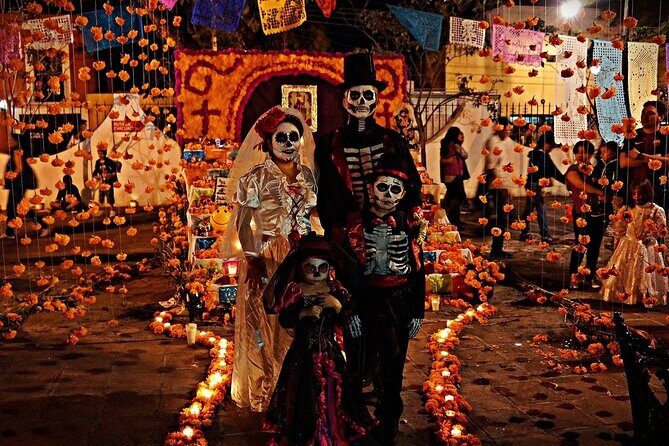
- Neighborhood offerings late in the day: You’ll see streets and archways decorated with flowers and altars.
- Dinner runs 7–8 pm: Dinner and snacks are included for the price.
- Max 10 people: A tighter group helps the guide keep context and answers flowing.
Why Día de Muertos in Oaxaca City Works So Well at Night
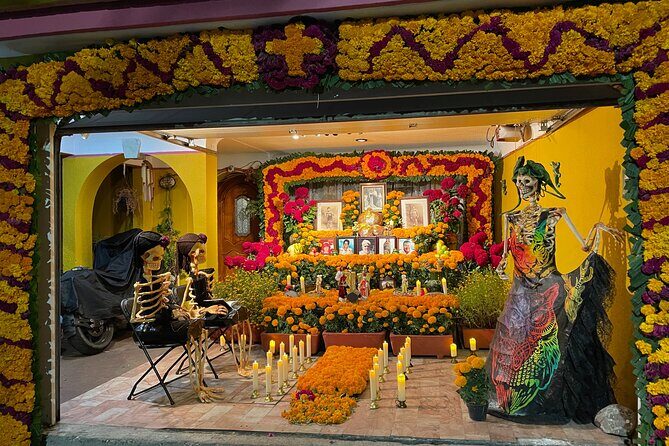
Día de Muertos in Oaxaca doesn’t feel like a costume event. It feels like a city practice—people, families, and businesses all leaning into the same idea: memory as something you can walk through. The tour is timed for that shift, moving from earlier street life toward evening when the atmosphere firms up.
What I like about this setup is that it’s not just about seeing altars. It’s about understanding why the streets look the way they do. In past experiences, guides such as Pablo have been praised for explaining the celebration as a “journey” of the Oaxacan people and how families invite loved ones to take part.
And Oaxaca is a smart place to do this. Centro is walkable, landmarks are close enough to connect logically, and the city’s craft and food reputation means you’re surrounded by the kind of daily culture that feeds into the holiday. If you enjoy markets, architecture, and people-watching, this kind of evening walk is a strong fit.
If you're still narrowing it down, here are other tours in Oaxaca City we've reviewed.


The Walking Route: Plaza Cruz de Piedra to Barrio de Xochimilco
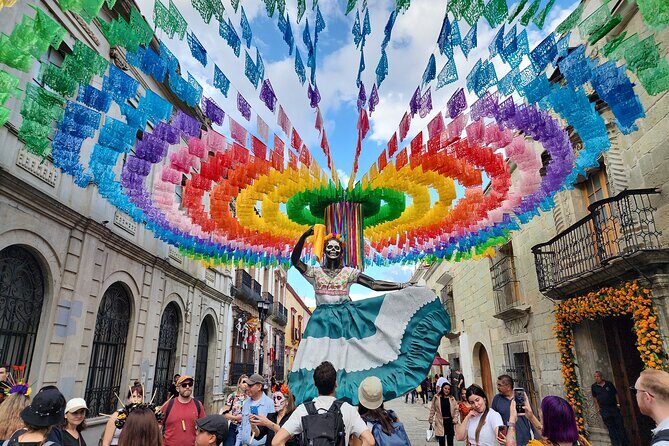
The tour starts at Plaza Cruz de Piedra in Centro. You’ll meet at 3:00 pm, then head out on foot with the guide leading the pacing and explanations. There’s no pickup from your accommodation, so plan to arrive a bit early and get your bearings quickly.
The end point is Barrio de Xochimilco. That matters because you won’t finish back at the same spot. You’ll want to plan your evening transport in advance—especially since you’ll likely be leaving with dinner still fresh in your mind and darkening streets outside.
A big practical plus: the tour is set for a maximum of 10 travelers. That keeps it from feeling like a herd, and it makes it more likely the guide can slow down for questions. It’s still walking, though—this is listed as moderate physical fitness and not recommended for mobility impairments, people over 80, those with kidney problems, or anyone with recent surgery. If you’re unsure, take that guidance seriously. The best tours are the ones you can enjoy without white-knuckling the sidewalks.
Market Streets and City Stops That Teach You How the Holiday Fits Daily Life
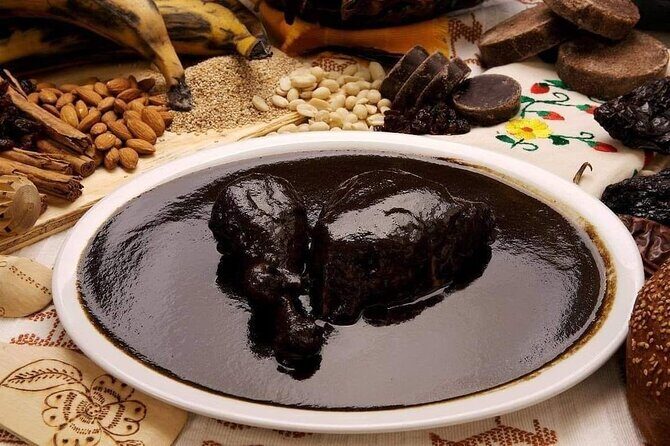
Your route begins with the market and city streets. This is where you get context. Even without going deep into any single stall, you start noticing what’s being prepared: flowers, offerings, and the kind of small decorations that signal the holiday is already working through everyday routines.
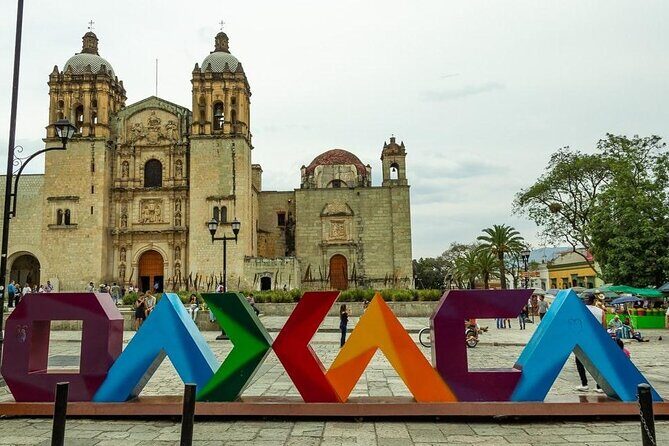
Then the itinerary moves into architectural anchors, including Santo Domingo on the standard program. Santo Domingo is more than a photo stop here. It helps you understand why these public religious spaces are so tied to community life in Oaxaca, especially during major seasonal moments.
There’s also a date-based variation: on certain tours, the plan includes Oaxaca Cathedral as an additional landmark stop. On the other program dates, the list of stops shifts slightly, but the overall logic stays the same—landmarks to orient you, then streets and neighborhoods to show you the holiday’s real stage.
One thing I’d keep in mind: the timing of Día de Muertos activity can vary. A past experience noted that it was a little early for the biggest visible celebration moments. If you’re going at the start of the season and you want maximum decorations, manage expectations and rely on the guide’s explanation to bring the meaning forward even if some streets haven’t hit peak intensity yet.
Santo Domingo and Cathedral: Big Landmarks With Real Explanations
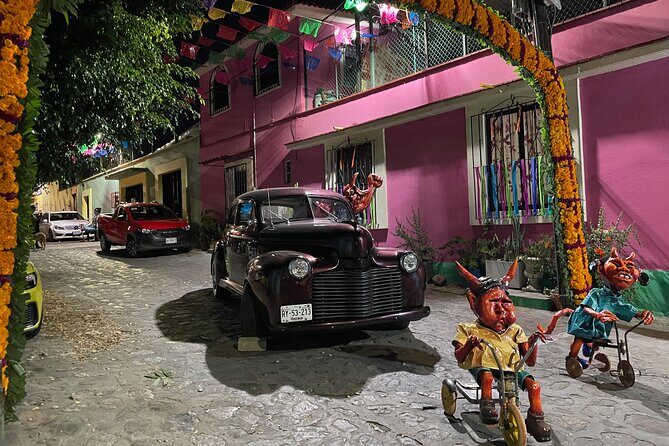
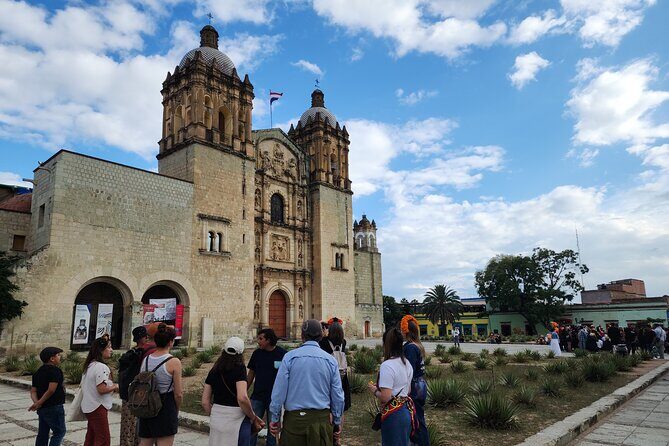
Santo Domingo shows up on the route for multiple dates. That’s a good sign: it suggests the operator views it as one of the city’s most meaningful anchors for this holiday story. When you pair a landmark like that with the surrounding streets, it’s easier to see how Día de Muertos doesn’t only happen in living rooms or cemeteries—it also shapes how people move through the center of town.
For dates that include Oaxaca Cathedral, you get a second major reference point. Cathedral or not, the goal is similar: help you connect architecture with community practice. This matters because Oaxaca’s Day of the Dead traditions are deeply local, not generic Mexico City-style. You’ll be able to read the holiday more accurately when you understand what you’re looking at.
Past feedback highlights that the guides focus on culture and customs, not just directions. People praised Carlos for taking them to neighborhoods they wouldn’t have found on their own and for offering clear explanations of traditions and culture. That’s what you want from landmark stops: short, usable context that turns a pretty building into part of the story.
The Cemetery Stop: Where the Tour’s Meaning Peaks
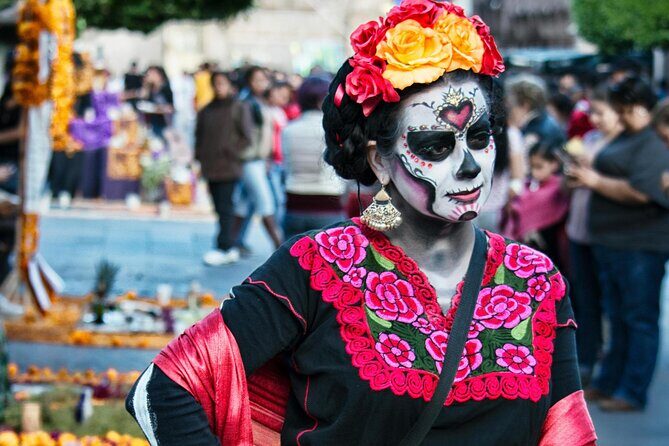
The cemetery is part of the planned route. For Día de Muertos, that’s the emotional center of the holiday for many families, and it’s also where the celebration can feel most grounded. One of the strongest compliments tied to the tour was that the cemetery visit felt very special.
But here’s the caution I’d put on top if you’re deciding between dates: access can be a deal-breaker. One past experience reported the cemetery was closed, which reduced what they expected from that stop. The operator may know the normal schedule, yet real-world timing and conditions can still matter.
So what should you do with that info? Pick your date with flexibility in mind, and don’t assume every stop will be identical on every day. The tour is designed for good weather, and it’s also designed around an event that runs from October 30 to November 2. If you’re going on days near the start of the festival, there’s a chance that some elements won’t be at full volume yet.
Even with that risk, the cemetery stop is the main reason this tour feels more than just a walk with photos. If Día de Muertos meaning is your priority, this is the stop you should care about most.




Neighborhood Offerings and Flowered Streets: The Part You’ll Remember
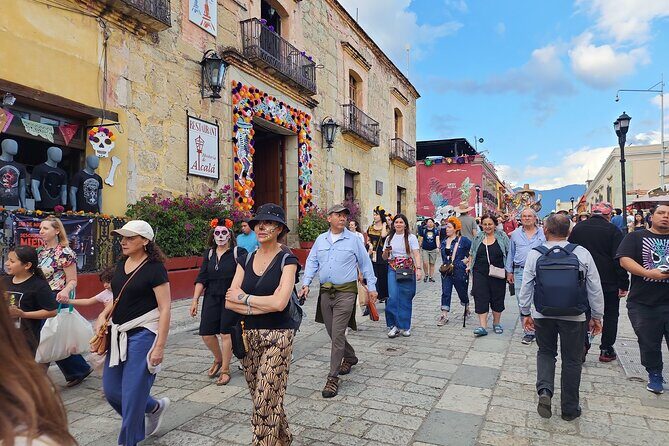
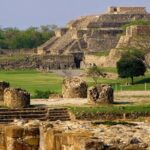
After the landmark and cemetery segments, you move into neighborhood decorated zones. This is where you start seeing the holiday as something lived in public: streets filled with people, businesses putting on special events, and offerings appearing around avenues and archways.
This portion is also where you get the best atmosphere for slower viewing. You’ll likely have time for street-level observations—flowers, altars, and the little details that show up only when you’re not rushing. In practical terms, this is where the guide helps you see what’s significant, because random decorative objects can look like decor until someone explains the role they play.
If your goal is photos, you’ll get opportunities. But the smarter goal is to see how families and communities shape the street itself, not just how the street looks for visitors. The more you let the guide interpret the offering style and placement, the more satisfying the “scenery” part becomes.
Dinner and Snacks (7–8 pm): Included, but Think of It as Fuel, Not a Show
Dinner is included, along with snacks. The tour runs about 5 hours, and dinner is scheduled from 7:00 to 8:00 pm on the programs listed. That’s a thoughtful timing window because it lets you finish your walking and cultural stops before you get fully stuck in late-night logistics.
Now, let’s be honest about expectations. One experience called out the dinner as a regular meal that was tasty but not extraordinary, and the overall cost felt high for what they got. Others praised the dinner as delicious, including mention of a delicious meal paired with a good walking tour.
So how should you think about value? This package is less about a fancy culinary production and more about a full cultural evening with food to keep you comfortable. If you’re the type of traveler who wants a reservation-level feast, you might still want to make a plan for a separate dinner elsewhere after the tour ends. But if you want dinner included so you don’t have to navigate hungry between stops, this format makes sense.
Also note: the tour includes snacks. That’s a small detail that matters on foot tours, especially in the evening when energy dips and you don’t want to be stuck buying street food at inconvenient moments.
Price and Logistics: Is $109 Worth It for Your Style of Travel?
The listed price is $109 per person for several dates, with $114 for other October/November dates. Admission is free for the experience. On paper, you’re paying primarily for guided storytelling and the included dinner/snacks.
Is that fair? It can be, depending on what you want:
- If you want structure, clear context, and a guide who can explain how Dia de Muertos works in Oaxaca, you’re buying time and understanding.
- If your plan is mostly about sightseeing photos, you might compare the cost to what you can do on your own in Centro with a good map and a little research.
The “up to 10 people” limit helps justify the price. Smaller groups tend to get better interaction, and the guide can manage pacing without turning explanations into background noise.
There’s also the reality that this tour involves walking plus a cemetery stop. If that cemetery is closed on the day you go, it changes the value equation quickly. If you’re okay with that risk—and you’re going for meaning, not a checklist—you’ll likely feel the price is aligned with what you’re seeking.
One more logistics note: the tour is near public transportation, and it’s designed to run with good weather. If you’re traveling with a strict mobility limitation or you’re recovering from a recent surgery, the listing guidance says this isn’t for you.
Timing, Language, and Pace: How to Avoid a Frustrating Evening
The tour meets at 3:00 pm and runs about 5 hours. That places the most atmospheric streets and offerings in the late afternoon through dinner. That timing is usually good for photos and for understanding the flow of the celebration.
Language is a practical factor. One past experience criticized the bilingual setup (English and Spanish), saying the pacing sometimes forced them to hear parts more than once or to feel explanations came late. That doesn’t mean you’ll have that problem, but it does mean you should consider your comfort level with group pacing.
If you’re someone who hates waiting for translations or prefers one language without interruptions, you may want to think carefully. If you don’t mind that kind of bilingual rhythm—or if you’re flexible—you’ll likely benefit more from the guide’s interpretation overall.
Also, this is not a stop-every-20-minutes tour. It’s a walking tour with meaningful pauses. The best way to enjoy it is to settle into the pace and treat it like a guided walk with cultural context, not a leisurely stroll where you can wander off.
Who This Tour Is Best For (and Who Should Skip It)
This experience is a great fit if you:
- love Día de Muertos but want the local meaning explained clearly
- enjoy Centro walking routes and landmark-to-neighborhood storytelling
- want dinner included so you don’t have to plan food during the busiest days
It may not be the right fit if you:
- have limited mobility or need step-free access
- want a heavy focus on food with a standout restaurant experience
- strongly prefer only one language in a tightly timed group setting
- cannot handle the possibility that a cemetery stop might not be accessible on the day
If you’re going at the start of the festival window and hoping for maximum street decorations immediately, give the guide’s explanation extra weight. It can turn an earlier-stage scene into a deeper understanding anyway.
Should You Book This 5-Hour Guided Día de Muertos Walk in Oaxaca?
I’d book it if you want an organized, story-driven evening that connects Oaxaca’s landmarks, neighborhoods, and cemetery symbolism into one coherent walk. The small group size, included dinner/snacks, and consistent emphasis on traditions make it a strong “one evening” choice in Centro.
I wouldn’t book it if your main goal is a big food experience or if you’re likely to be disappointed by the cemetery access risk. If you’re very sensitive to pacing, bilingual group flow, or waiting, consider another option or plan to bring patience.
If you decide to go, choose your date thoughtfully and go in with the right mindset: you’re paying for understanding and atmosphere as much as for the stops themselves. And if you land with a guide like Pablo, Lea, or Carlos, you’re positioned for a more meaningful walk than most people manage on their own.
FAQ
How long is the tour?
It runs about 5 hours.
Where do I meet the guide?
You meet at Plaza Cruz de Piedra at the start time shown in your confirmation.
What time does the tour start?
The start time is 3:00 pm.
What is included in the price?
Dinner, snacks, and a guide to help you understand the culture and customs of the celebration are included. Admission is free.
Is dinner included, and when does it happen?
Yes. Dinner is scheduled between 7:00 and 8:00 pm.
Do they offer pickup from your accommodation?
No pickup is included.
Is the tour accessible for people with mobility issues?
It’s not recommended for people with mobility impairments, and it also isn’t recommended for people over 80, people with kidney problems, or anyone with recent surgeries.
Can I cancel for a full refund?
Yes. Free cancellation is available up to 24 hours before the experience’s start time, and the tour can also be canceled due to poor weather or if the minimum number of travelers isn’t met.