Cacao to mezcal, in one family day. I love the ancestral chocolate workshop with César and his mother, and I love sitting down for home-cooked meals inside their kitchen before heading out to see how the village works. What makes it special is how the day feels personal and unhurried, with a real sense of daily life in San Dionisio Ocotepec.
One thing to plan around: this is a full day with some walking and village stops, and it needs good weather to run smoothly. If you want quick, city-style sightseeing with zero slow moments, this may feel calmer than you expect.
In This Review
- Key Highlights to Know Before You Go
- Where This Day Fits: San Dionisio Ocotepec, Not Oaxaca City
- Morning Pickup at 8:30am: Getting There Without Losing the Day
- Breakfast With César’s Family and the Real Meaning of Chocolate
- Walking the Town Center: Culture, Clothing, and Everyday Places
- Lunch in a Traditional Kitchen, Then a Tuk-Tuk Around Town
- Mezcal at an Artisan Distillery: Tastings With Process, Not Just Samples
- Price and Value: What $167.26 Really Buys You
- Who Should Book This Day in the Life Tour (and Who Might Not)
- Small Etiquette Tips That Make the Day Easier
- Should You Book This Zapotec Village Day?
- FAQ
- What time does the tour start?
- How long is the day?
- Where does the tour take place?
- Do we make traditional chocolate during the tour?
- Is there food included?
- Is there a mezcal stop and tastings?
- Is this tour private?
- Are service animals allowed and is it physically demanding?
- What’s the cancellation window?
Key Highlights to Know Before You Go
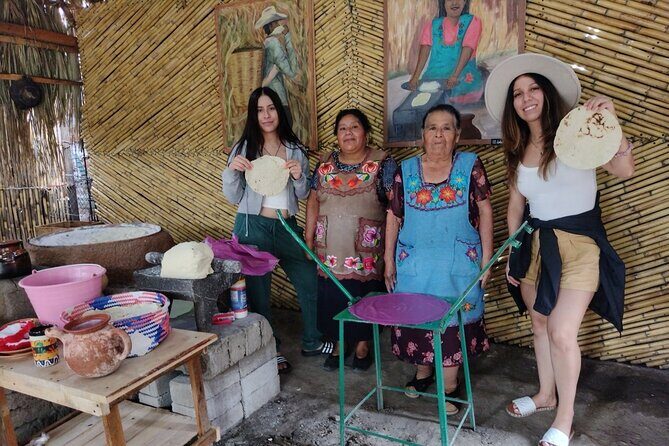
- Private time with César’s family in San Dionisio Ocotepec, not a mass-group script
- Cacao-to-chocolate instruction using an ancestral technique, from bean work through tasting
- Village craft stops that may include women’s co-ops and workshops such as shoe and apron making
- A tuk-tuk loop through town after lunch so you see more without rushing
- Artisan mezcal distillery tastings with an explanation of the process before you sample
- Flexible pacing that you can adjust during the day with your guide
Where This Day Fits: San Dionisio Ocotepec, Not Oaxaca City
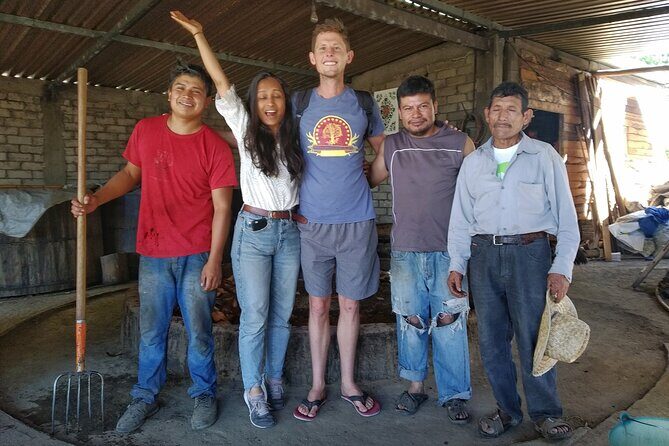
If you’ve come to Oaxaca City for food, crafts, and culture, this is the next step: you go beyond the center and spend time in a Zapotec community where the rhythm of the day comes from family life and local work. The tone is practical and human. You’re not treated like you’re just ticking off a “cultural stop.” You’re invited into a morning routine, then into workshops, then into a local craft world that keeps going even when there’s no tour bus around.
The village setting matters. You’ll start in Oaxaca City at 8:30am, then ride about 75 minutes into San Dionisio Ocotepec. That time isn’t wasted. It’s your lead-in to the day’s feeling: less city noise, more conversation, more hands-on learning.
César’s role is central here. He’s not just driving or translating—he helps you understand what you’re seeing, and you get a chance to ask questions in a relaxed way in English. The day is designed to connect food (chocolate, meals), craft (workshops), and drink (mezcal) to everyday Zapotec life.
If you're still narrowing it down, here are other tours in Oaxaca City we've reviewed.



Morning Pickup at 8:30am: Getting There Without Losing the Day
Your day starts with a hotel pickup in Oaxaca City at 8:30am (via Yudiza Tours). That’s a big value point for most people: you don’t have to coordinate transport on your own at the start of a long day. It also reduces stress—Oaxaca traffic can be unpredictable, and you don’t want that cutting into breakfast time.
Once you’re in the vehicle, plan on roughly 75 minutes to reach César’s hometown. This matters for two reasons:
- You’ll settle in before the hands-on parts begin.
- You won’t feel rushed later, because the schedule accounts for the travel time.
Bring a mindset for a full day. This isn’t a quick half-day excursion. It’s built as a slow arc: breakfast, chocolate making, walking and town visits, lunch, tuk-tuk tour, then mezcal tastings—then the return trip back to the city.
Breakfast With César’s Family and the Real Meaning of Chocolate
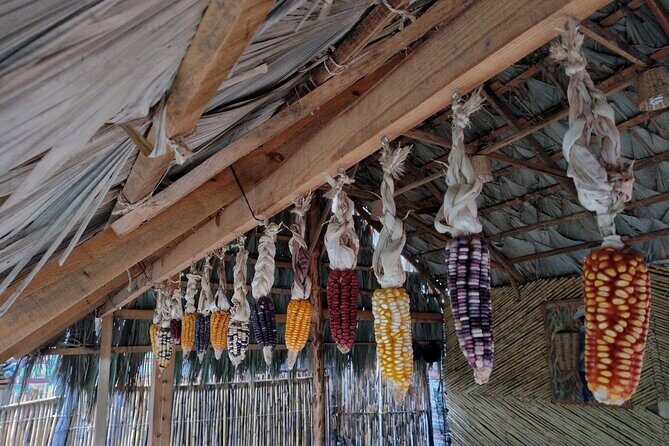
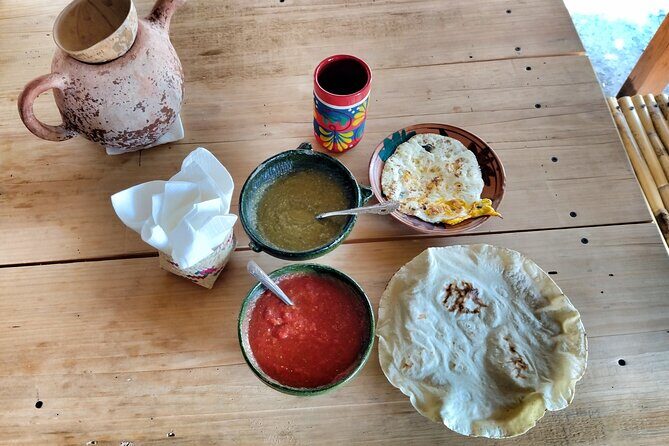
The first major moment is breakfast at César’s home. You’re welcomed by his family with a traditional breakfast—bread and tamales show up in the kinds of meals people report from this day, along with traditional Oaxacan chocolate. It’s a warm start and also a learning start. You’re not only eating; you’re seeing how cacao fits into daily food and drink.
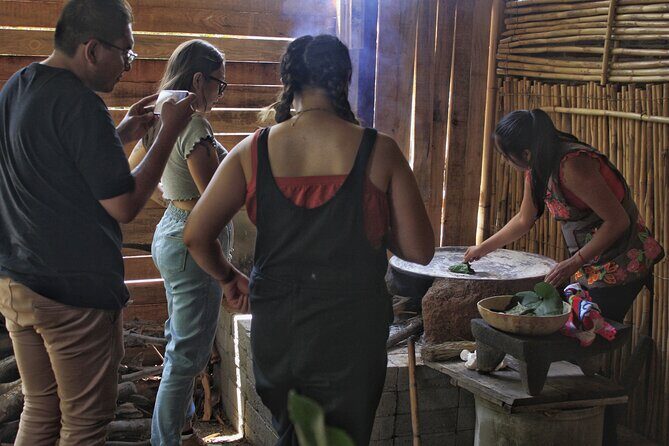
Then the focus shifts from eating to making. César and his mother teach the ancestral technique for traditional chocolate. This is the part I think most people hope for when they book a “chocolate experience,” but rarely get in a meaningful way.
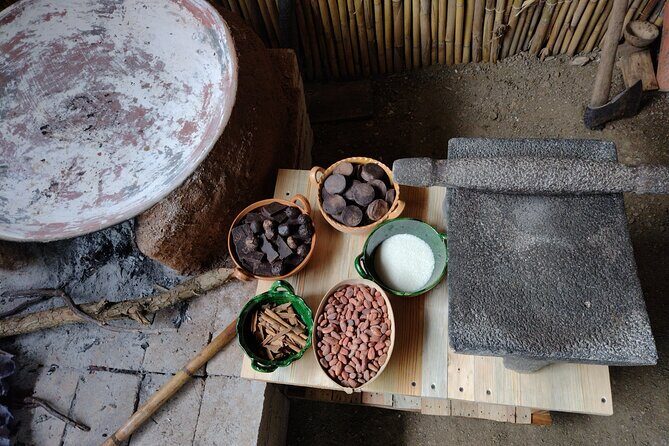
In practice, you can expect to learn the steps behind chocolate rather than just watch a quick demo. People describe everything from roasting and shell-cracking to grinding on a metate and tasting as flavors develop. Even if you don’t catch every detail in the language of technique, you’ll come away with a clearer picture of why the process takes time—and why the taste reflects each step.
A small detail that adds a lot: you’re doing it alongside family members, not in a showroom. That changes the whole tone. It’s less performance, more teaching. It also means questions come up naturally—why certain steps matter, what changes in taste, and how cacao fits into Zapotec life beyond tourism.
One drawback to consider here: this hands-on work can take focus. If you’re the type who prefers passive sightseeing, you might find yourself thinking more and doing more than expected. But if you enjoy learning with your hands, this is where the day earns its top rating.
Walking the Town Center: Culture, Clothing, and Everyday Places
After chocolate time, the day moves outward with a walk toward the center of the town. This section is less about big monuments and more about how a community presents itself—history, daily routines, and local businesses you’d miss if you only stayed in Oaxaca City.
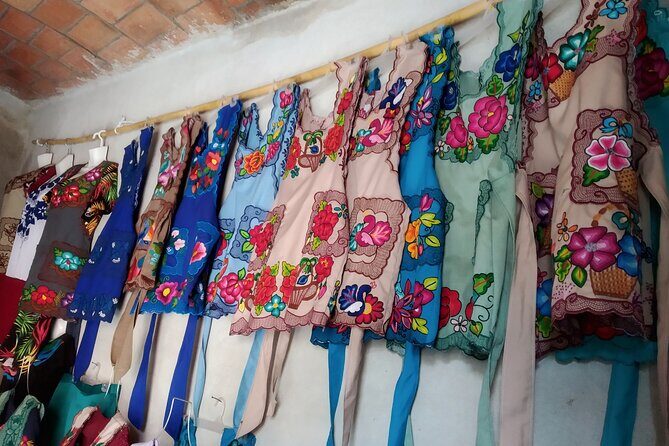
You may also visit a small typical clothing store. That matters more than it sounds. Clothing in Oaxaca isn’t just fashion—it’s identity, regional craft, and a living tradition. Seeing it in a village context helps you understand how these choices stay rooted, not outsourced.
Several craft stops may be part of this day. People report visiting workshops connected to:
- shoe making (often tied to a women’s co-op)
- apron making
- other small artisan businesses in town
In other words, you’re not just shown “one craft.” You see the network—how different skills support the local economy. The day can also intersect with village events like a local market, depending on timing. When it happens, it turns into an extra layer of realism: you see what people buy, what they wear, and what daily life looks like on an ordinary day.
Practical note: this portion includes walking around town. It’s listed as moderate physical fitness. The walking is usually short-to-medium rather than hiking, but you’ll want comfortable footwear and the ability to stand and move for parts of the morning and afternoon.
Lunch in a Traditional Kitchen, Then a Tuk-Tuk Around Town
Lunch is cooked by César’s mother in a traditional kitchen. That’s not just a nice meal—it’s part of why the day works. You get to experience food prepared in the same space where the morning teaching happens, which keeps the theme consistent.
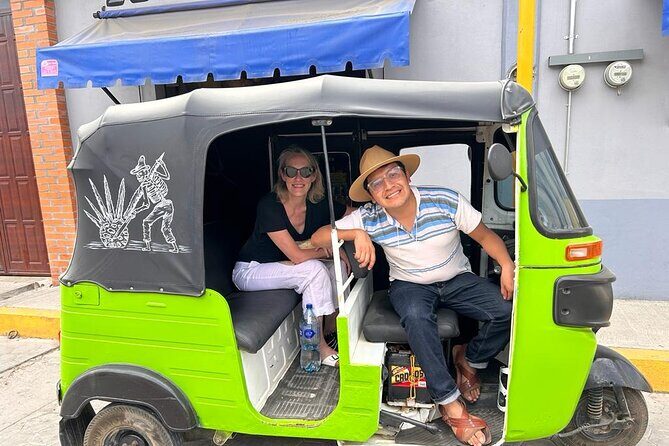
After lunch, you get a tuk-tuk ride around the town. This is a smart pacing tool. Instead of forcing you to walk every street, you get a quick loop that helps you orient yourself. You also get to connect points: where the workshops are, where the center is, and how the village layout supports daily life.
If you’re the type who likes to understand “how places are organized,” this is helpful. The tuk-tuk segment makes it easier to remember what you saw in the morning and to picture how everyone fits into the same community rhythm.
And if you’re traveling with someone who gets tired of constant stops, this is a good break. It keeps the energy up without turning the day into a sprint.





Mezcal at an Artisan Distillery: Tastings With Process, Not Just Samples
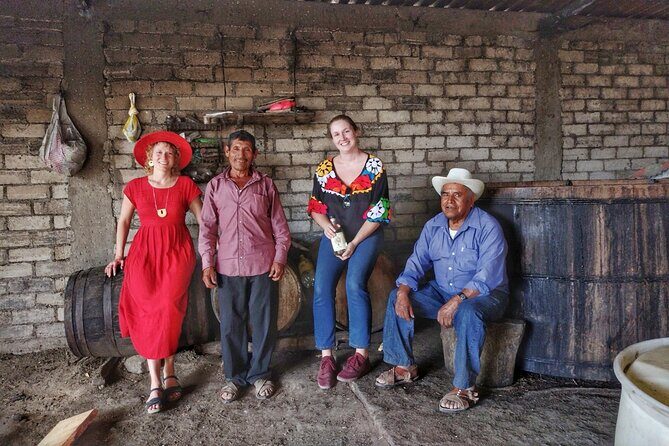
To close the day, you visit an artisan mezcal distillery. Mezcal is treated as a serious part of Zapotec culture here, not a quick add-on. You’ll receive an explanation of the process and do tastings.
Some days include a specific distillery named Dios Nunca Muere, with an owner identified as Saul. The key idea is the same even if the exact distiller differs: you should expect a step-by-step process explanation and the chance to sample small-batch mezcals.
Why this stop feels different from typical “mezcal tours” is the framing. The earlier parts of the day—cacao and home cooking—teach you that ingredients and craft steps matter. By the time you reach mezcal, you’re primed to taste and listen for process-to-flavor connections.
Ask a few questions while you’re there: how the agave is handled, what changes between batches, and what the distillery focuses on for taste. If César is translating or adding context, use that time. It’s one of the best ways to leave with more than just a souvenir bottle in your suitcase.
Price and Value: What $167.26 Really Buys You
At $167.26 per person for about 9 hours, this isn’t the cheapest option in Oaxaca. But it’s also not trying to be. The value is in access and time:
- hotel pickup in Oaxaca City at 8:30am
- about 75 minutes of travel each way
- a full day with a local family in their home
- breakfast and lunch prepared on-site by the family
- hands-on chocolate learning using traditional steps
- multiple village craft stops
- a visit to an artisan mezcal distillery with tastings
In many tours, you pay mostly for transportation and narration. Here, you pay for something more personal: the family’s time, teaching, and hospitality. That’s why the day often feels like a friendship visit rather than a staged experience.
There’s also group discount info available. Since the tour is private for your group, this can work well if you’re traveling with friends or family and want a shared day without the push and shove of larger groups.
Who Should Book This Day in the Life Tour (and Who Might Not)
This experience is ideal if you want:
- a hands-on cultural day focused on food and craft
- time with a local guide who can answer questions in English
- village context beyond the obvious tourist sights
- a relaxed pace where you can spend a little longer where you’re curious
It may be less ideal if you:
- only want city highlights and quick stops
- hate walking even when it’s modest
- prefer pure museum-style sightseeing over learning by doing
- are traveling on days when weather might be unpredictable (the experience is weather-dependent)
If you like authenticity that’s lived-in rather than rehearsed, you’ll probably love the way the day flows from home life into local craft and then into mezcal.
Small Etiquette Tips That Make the Day Easier
Since you’ll be entering a home and spending time in village spaces, a few simple habits go a long way:
- Keep your voice steady and respectful during workshops and meals.
- Be ready to participate more than you expect during chocolate making.
- Ask questions, but don’t steamroll the people teaching you.
- If you’re given choices during the day, use them. César can tailor the pace and you can ask to skip stops if you want.
Also, remember this is a private tour. That means your group’s tone shapes the day. If you’re relaxed and curious, the day stays relaxed and curious.
Should You Book This Zapotec Village Day?
Yes—if you want the heart of Oaxaca to be people, not just places. This tour is strongest when you care about how food gets made, how craft supports daily life, and how a community protects its traditions while living in the modern world.
I’d book it if you’re excited to learn chocolate from cacao beans, eat a real homemade meal in a Zapotec home, and finish with mezcal tastings guided by process, not hype. It’s also a great choice for couples or small groups because the private format keeps the day personal.
Wait on booking only if you’re very weather-uncertain, extremely short on time, or you prefer big-city sights over slow, family-centered learning.
If your idea of a perfect day is: good food, real conversation, and craft you can connect to taste—this one fits.
FAQ
What time does the tour start?
The tour starts at 8:30am. Your pickup is from your hotel in Oaxaca City.
How long is the day?
It runs about 9 hours (approx.).
Where does the tour take place?
You’ll travel from Oaxaca City to San Dionisio Ocotepec, César’s hometown village, and spend the day there before returning to the city.
Do we make traditional chocolate during the tour?
Yes. You’ll learn how to make traditional chocolate with an ancestral technique.
Is there food included?
Breakfast is served when you arrive at César’s home, and lunch is cooked by his mother in a traditional kitchen.
Is there a mezcal stop and tastings?
Yes. You’ll visit an artisan mezcal distillery, get an explanation of the process, and do tastings.
Is this tour private?
Yes. It’s a private tour/activity, and only your group participates.
Are service animals allowed and is it physically demanding?
Service animals are allowed. The tour is listed as requiring moderate physical fitness, so expect some walking around the village.
What’s the cancellation window?
Free cancellation is offered up to 24 hours in advance of the start time for a full refund.