REVIEW · OAXACA CITY
Alebrije Painting Workshop in San Martín Tilcajete with Pickup
Book on Viator →Operated by Enjoy Oaxaca · Bookable on Viator
Carving and painting alebrijes feels oddly powerful. I love visiting a working studio like Taller David Hernández, and I like that you paint your own 10 cm wooden figure with a real artisan guiding your brush. One thing to consider: the drive from Oaxaca City can shrink your painting time.
I also like the bilingual help and the smooth hotel pickup, often handled by a driver like Sebas. Still, this is a half-day style class, so if you’re the type who wants to linger over every detail, build in a little extra patience.
In This Review
- Key things I’d focus on before you go
- Alebrijes in San Martín Tilcajete: what makes this class different
- Pickup and timing from Oaxaca City: comfortable ride, limited time on-site
- Taller David Hernández: the workshop focus you actually want
- Carving to painting: how the craft builds a better final result
- Painting your own alebrije: what you can control (and what you can’t)
- Price and value: what $54 covers (and how it stacks up)
- What the group size changes: small is better here
- Who should book this alebrije workshop?
- Practical tips to enjoy your painting (without feeling rushed)
- Should you book this alebrije workshop with pickup?
- FAQ
- How long is the alebrije painting workshop?
- Do I get hotel pickup in Oaxaca City?
- Is the workshop hands-on, or just a viewing?
- What size alebrije figure do I make?
- Do I need to bring food or drinks?
- Is there a bilingual guide?
Key things I’d focus on before you go
- A real workshop at Taller David Hernández, not a demo with no hands-on time
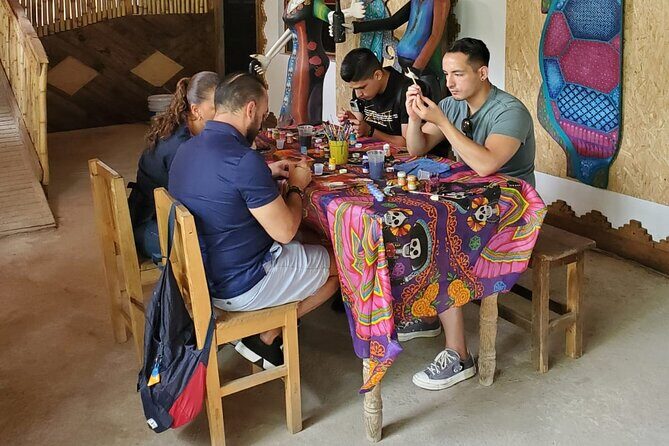
- You leave with what you make, including a 10 cm wooden alebrije figurine
- Carving first, then painting, so you understand the craft from shape to color
- Small-group feel (maximum 8 travelers), with an artisan coaching your technique
- Pickup from many Oaxaca hotels, plus an air-conditioned ride with a bilingual host
Alebrijes in San Martín Tilcajete: what makes this class different
Alebrijes can look like pure fantasy—animals with horns, birds with impossible wings, creatures that seem to “move” even when they’re just wood on a table. What I like about this workshop is that it treats them as craft, not just souvenirs.
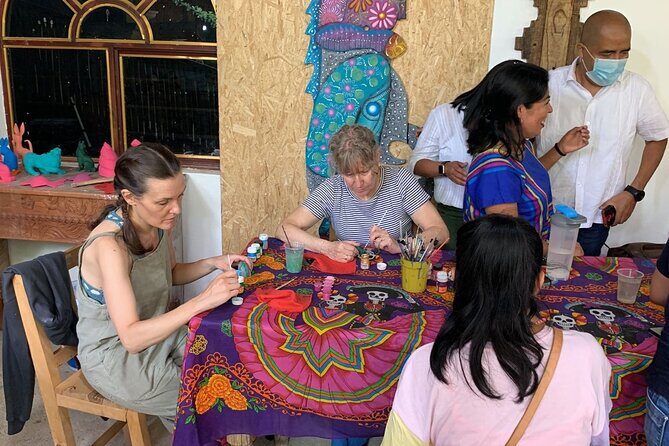
You’re not just watching paint dry, and you’re not stuck with one pre-painted model. The session is built around the process: first you get your piece shaped, then you move into painting with guidance. That flow matters because it helps you understand why the details on the finished figures look the way they do—where the form comes from, and why the color choices follow the creature’s personality.
It’s also one of those experiences where the art sticks with you after you go. Even if you’re not a painter, you walk out paying closer attention to brushwork and design decisions—like how tiny accents can change the whole vibe of a spirit-animal character.
If you're still narrowing it down, here are other tours in Oaxaca City we've reviewed.

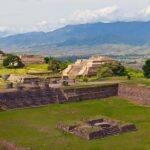
Pickup and timing from Oaxaca City: comfortable ride, limited time on-site
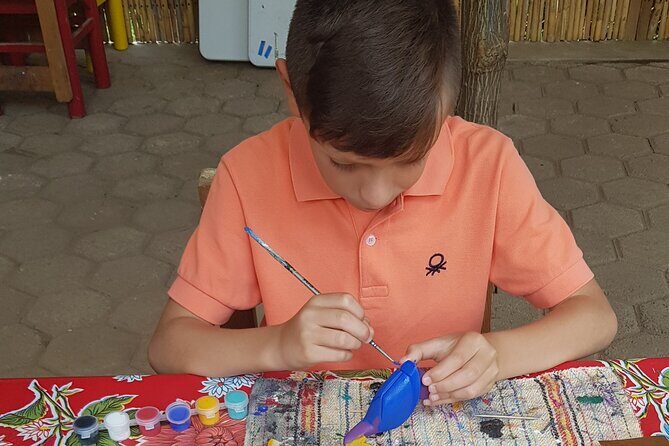
This tour starts at 10:00 am, with pickup offered from many hotels in Oaxaca City. If you’re staying in an apartment or B&B, the operator asks for the pickup address so someone can meet you there. If your place is outside their coverage, they’ll point you to the nearest pickup spot.
The ride is in an air-conditioned vehicle, and the group is kept small (maximum 8 travelers). That’s a big plus in Oaxaca, where transport can turn into a hassle if you’re stuck in a large group or waiting around.
Still, you should expect travel time to matter. The workshop itself takes about 2 hours, and the overall experience is listed at around 4 hours. Some people find that the drive eats into hands-on time, especially if pickup runs late. If you want more time to paint slowly (and you do not want to feel rushed), you’ll be happier if you’re ready for a fast, focused session.
My practical suggestion: show up a few minutes early at the pickup location and keep expectations realistic about finishing your design within the workshop window.
Taller David Hernández: the workshop focus you actually want
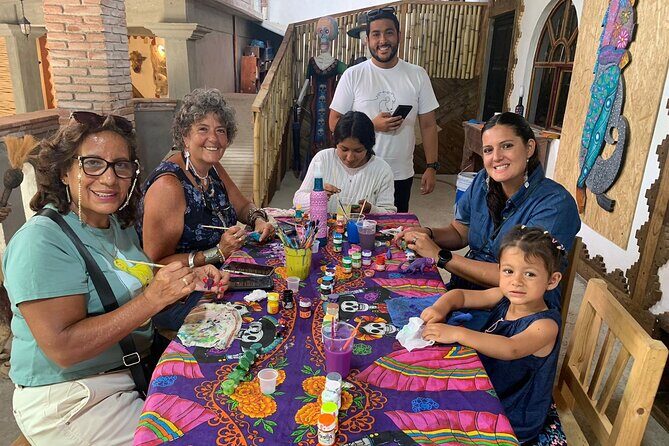
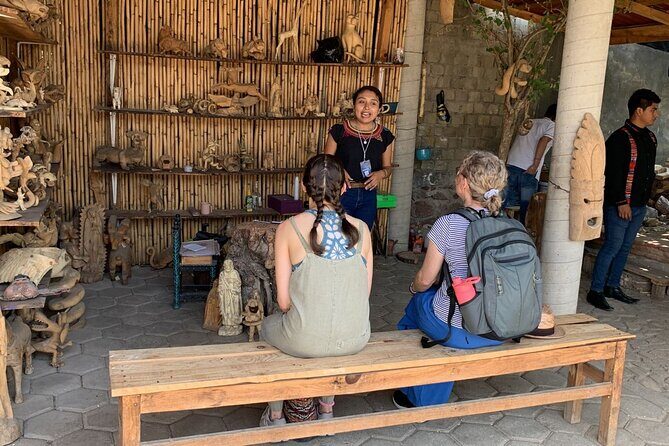
Your main stop is Taller David Hernández in San Martín Tilcajete. This is a real artisan setting, and you go inside with a guide who helps explain what you’re seeing and doing.
The workshop has a simple rhythm:
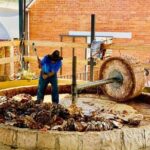
- you see how the carving works and what to pay attention to in the wooden form
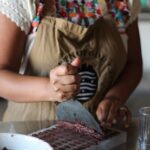
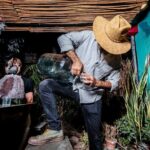
- you get help as you start working on your own figure
- you move into painting, with coaching on details and technique
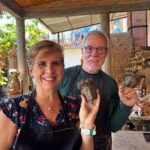
- you end with a finished piece you take home
It’s not an abstract lesson. You’re working alongside people who do this as a craft, not a performance. That changes the whole tone of the day. When someone can tell you what makes one animal’s face read as confident, playful, or fierce, you feel the design logic behind alebrijes instead of treating it like random decoration.
In the most helpful way, the instruction is tied to the object in front of you. For example, I’ve heard that instructors like Joseph give tips when you ask for them—small adjustments that help your painting look more intentional instead of just colorful.
Carving to painting: how the craft builds a better final result
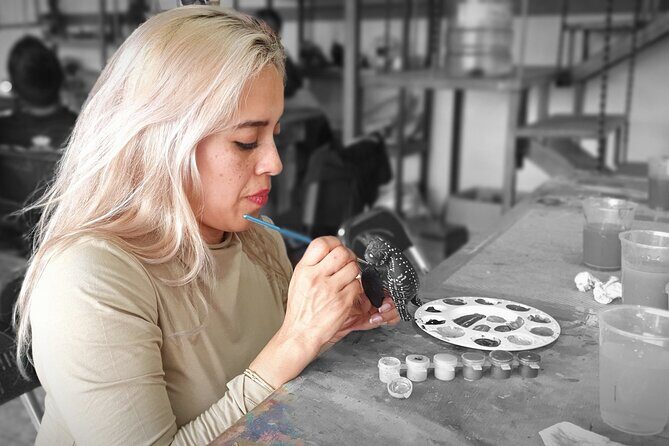
Even though the class is described as a painting workshop, the carving step is important because it sets up what you can do with paint.
Here’s why it matters: the surface and shape of the wood guide where highlights and shadows will land. If the figure’s form isn’t carved well (or isn’t understood), the paint can look flat even when you use great colors. When you do the carving part—even briefly—you get to “read” the figure with your hands first. Then your brushwork makes more sense.
You also learn the meaning behind alebrijes as spirit animals. That part helps your painting decisions feel less like guessing. Instead of just copying colors, you can paint with an intent: giving your creature a personality.
You’ll also start with a manageable project size. The included figurine is 10 cm, which is big enough to enjoy details but small enough to finish within the class time. If you’ve ever tried to paint something larger and lost the thread halfway through, you’ll appreciate this scale.
Painting your own alebrije: what you can control (and what you can’t)
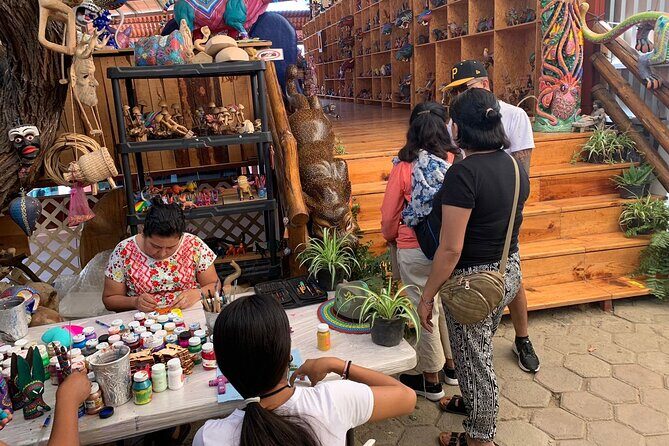
The workshop ends with you taking the figurine home, so you’re not leaving with a promise and a later shipping email. That’s a real value point for me. You get to carry the result of the day with you.
You do have choices in what you paint, and you choose a model before the painting starts. Depending on the session, the set of options can feel more or less varied. If you’re hoping for a very specific animal, keep that in mind and be ready to select from what’s available that day.
Now, the reality check: in a half-day format, painting time can feel tight—especially if pickup runs late or if you want more than a basic version of a detailed design. One person described the session as fun but noticed a rush because of extra time spent traveling. Another said the journey and studio were great but that they were back earlier than advertised, leaving less time to paint than expected.
How to avoid that stress:
- decide on your color plan quickly once you see your model
- focus on key details first (eyes, stripes/spots, and any standout features)
- ask for help early if you want a cleaner look on outlines or small accents
If you’re traveling with kids, this structure can still work well. The studio experience is hands-on, and the guided support makes it easier for younger artists to stay engaged and finish something they’re proud of.
Price and value: what $54 covers (and how it stacks up)
At $54 per person, this is priced as a guided, hands-on craft class with transport. That matters because you’re not just paying for a ticket to a workshop table—you’re paying for the full package of getting there, learning the process, and leaving with a physical piece.
Included items you’ll care about:
- bilingual host (English/Spanish)
- hotel pickup and drop-off (selected hotels)
- air-conditioned vehicle
- guided visit inside an authentic workshop
- wooden alebrije figure (10 cm) included
- travel insurance during transportation
Not included:
- food and drinks
- tips (optional)
- additional purchases at the workshop
Is it worth it? For me, it’s a solid deal if you like making things, not just shopping. You’re paying to learn carving-to-paint basics and produce a take-home item with direct coaching. If you’d rather wander art markets at your own pace, you might feel this is too structured and time-limited.
What the group size changes: small is better here
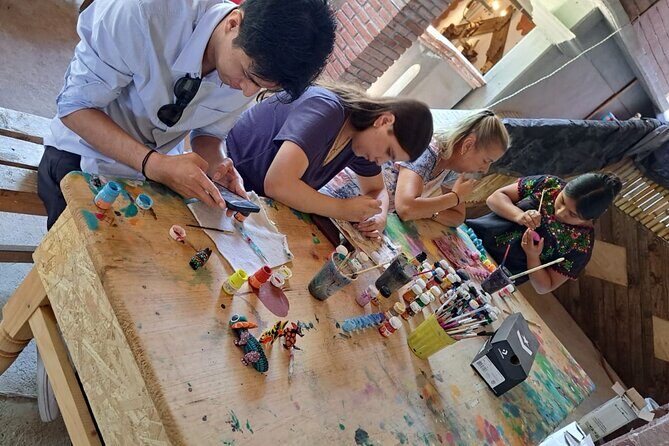
This is capped at 8 travelers, which is a sweet spot for an art class. Small groups mean you get more attention from the artisan teaching you, and you spend less time waiting your turn.
That small-group setup also helps with the explanation part. It’s easier to ask questions when the table isn’t jammed with people and when the guide can actually hear you. I’ve heard this setup works especially well for couples, families, and language-mixed groups because the bilingual host keeps things clear.
Who should book this alebrije workshop?
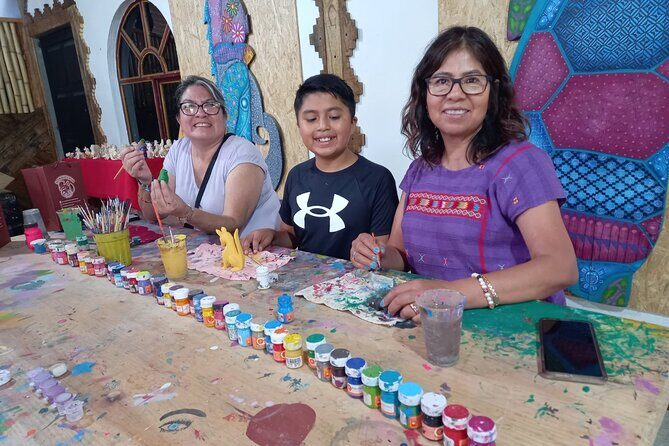
This class is a great fit if:
- you want an authentic artisan experience in San Martín Tilcajete
- you like hands-on art more than passively looking around
- you want to understand the craft behind the famous alebrijes
- you like guided structure but still get to create your own piece
It may be less ideal if:
- you’re extremely time-sensitive and can’t handle a half-day schedule
- you want hours of uninterrupted painting with no pressure to finish
- you have your heart set on a particular animal model and cannot be flexible
For families, it’s often a fun way to turn Oaxaca art into something tangible. For couples, the small-group feel and shared creative activity makes it a memorable date-ish thing without needing a fancy reservation plan.
Practical tips to enjoy your painting (without feeling rushed)
A little preparation goes a long way in a 2-hour workshop window.
- Wear clothes you don’t mind getting a little messy. Even if the studio is clean, paint is paint.
- Bring a plan for colors before you start. Once you’re working, it’s easier to execute than to redesign.
- Ask your instructor early if you want more detail. The best results come when help is timed to the stage you’re at.
- If you’re traveling with kids, focus on finishing the core look (eyes + main patterns) instead of chasing every tiny accent.
And one more thing: when pickup timing matters to you, be ready on time. The workshop window is the heart of the value, so protecting that time is the best move you can make.
Should you book this alebrije workshop with pickup?
I think you should book it if you want a real craft experience with hotel pickup, a bilingual host, and a clear end result: a finished 10 cm alebrije in your hands. It’s the kind of activity that turns Oaxaca art from something you recognize into something you understand.
Skip it (or choose a slower alternative) if you know you’ll feel cranky when the drive cuts into painting time, or if you’re only interested in casual looking rather than making. In that case, you may prefer a more flexible art stroll.
If you fall in the first group—makers, curious art lovers, families who want a hands-on story to take home—this workshop is an excellent use of a half day in Oaxaca.
FAQ
How long is the alebrije painting workshop?
The experience is listed at about 4 hours total. The hands-on workshop portion inside the studio is about 2 hours.
Do I get hotel pickup in Oaxaca City?
Yes. Hotel pickup and drop-off are included for selected hotels. If you’re in an apartment or B&B, the operator will tell you where to meet or will use your provided address for pickup.
Is the workshop hands-on, or just a viewing?
It’s hands-on. You can carve and paint your own wooden alebrije figurine with guidance from an artisan, and you take your piece home.
What size alebrije figure do I make?
The included wooden figure is 10 cm.
Do I need to bring food or drinks?
Food and drinks are not included, so plan to eat before or after the workshop.
Is there a bilingual guide?
Yes. The experience includes a bilingual host (English/Spanish).