REVIEW · OAXACA CITY
Make Oaxacan-style take-home chocolate
Book on Viator →Operated by Etnofood Experiencias · Bookable on Viator
Cacao has a story worth tasting. This Oaxacan-style workshop in Oaxaca City teaches the history of chocolate in Mexico, then gets you creating your own bar with local cacao flavors and a take-home 150 grams you made yourself. It runs about 2 hours 30 minutes and is offered in English, with a small group size that keeps the focus on hands-on learning and questions.
One heads-up: this is a real class, not just a quick tasting. With up to 6 travelers and a strong emphasis on process and culture, you will get the most out of it if you like learning how flavors are built, not only eating the end result.
In This Review
- Key Highlights You Should Know
- Oaxaca Cacao, Made Real in 2.5 Hours
- What makes the Oaxaca setting matter
- Where You Start: TeoLabXicoténcatl in Centro
- Class size and why it matters for your comfort
- The Story of Chocolate: History You Can Actually Use
- How the class frames flavor and intention
- Oaxaca Criollo and the Cocoa Quality Lesson
- What hands-on work teaches you about cocoa
- Making Your Oaxacan Chocolate: Tools, Technique, and “From Scratch” Momentum
- What happens in the working session
- Interactive teaching and your best move
- Don’t Miss the Tasting: Hot Chocolate and Candy-Style Creations
- Why tastings are part of the education
- What You Leave With: 150 Grams Designed by You
- Gift and storage tips (practical reality)
- Price and Value: Is $60.95 Actually Fair?
- Who This Class Fits Best
- Quick Booking Check: Timing and Small Details That Affect Your Day
- Should You Book This Oaxacan Chocolate Class?
- FAQ
- How long is the Oaxacan-style chocolate-making class?
- How much does it cost?
- What language is the class offered in?
- How many people are in the group?
- Do I get anything to take home?
- What is included in the price?
- Where does the experience start and end?
- What is the cancellation policy?
Key Highlights You Should Know
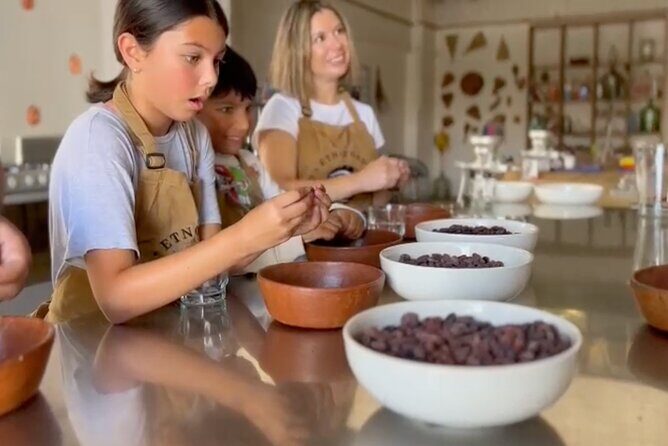
- Take-home 150 grams of chocolate you designed, easy to share or bring home as a gift
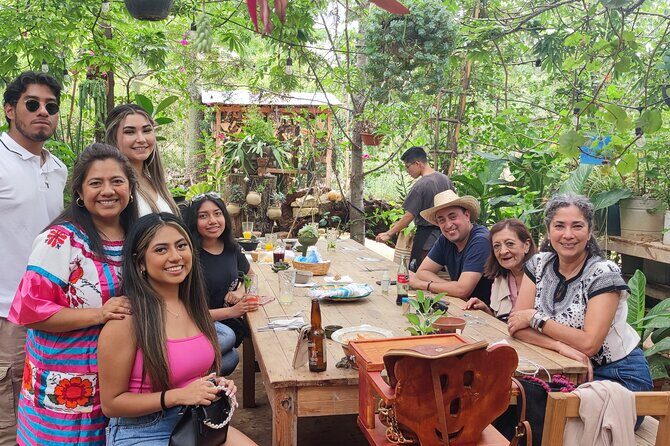
- Small group (max 6), which makes it easier to get hands-on help and ask questions
- Oaxaca cacao focus, including Criollo from the tropical jungle area near the Pacific
- You actually make the chocolate, using molds, stoves, mills, and an apron
- Included drinks and snacks, with coffee or tea and no plastic bottled water used
Oaxaca Cacao, Made Real in 2.5 Hours
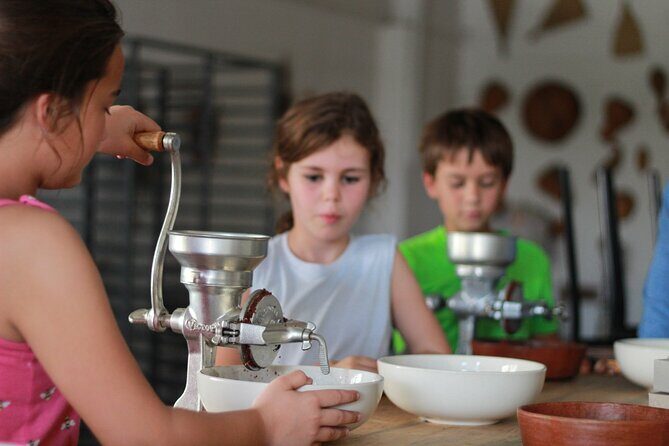
This class is built for people who want more than a food stop. You will learn how cacao became the chocolate people recognize today, and you will also learn why Oaxaca is such a big deal for cocoa quality. The message is simple: chocolate is not one flavor. It is a set of choices shaped by beans, roasting, grinding, and how you present it.
I like that the teaching stays practical. You are not just hearing trivia about origins and timelines. You are linking the story to how chocolate tastes and what you can do at home. The result is a souvenir that actually has value: a bar you designed, plus the skills to recreate the approach later.
If you're still narrowing it down, here are other tours in Oaxaca City we've reviewed.


What makes the Oaxaca setting matter
Oaxaca is not treated as a generic food tour location. The class points to southern Mexico as the true place of discovery and highlights Oaxaca’s southeastern cacao—named Criollo in the class overview. If you like understanding where ingredients come from, this kind of framing makes the workshop feel grounded and local.
Where You Start: TeoLabXicoténcatl in Centro
You will meet at TeoLabXicoténcatl 609 in Centro (Oaxaca de Juárez). This is a practical, walk-in friendly part of town, and the activity is designed to finish back at the same meeting point, so you do not have to plan a separate stop after your class.
A mobile ticket is included, which is handy if you prefer keeping everything on your phone. The workshop is also described as being near public transportation, which matters in a city where routes and timing can change fast.
Class size and why it matters for your comfort
With a maximum of 6 travelers, you are less likely to feel like you are watching from the edge of the room. You should expect more direct interaction, and that matters when you are working with steps like milling, mixing, and molding. If you are the type who likes to ask why something tastes a certain way, this group size helps.
The Story of Chocolate: History You Can Actually Use
The class explains the evolution of chocolate over the last 300 years. It also takes aim at the common assumption that Europe or Africa was the starting point for where chocolate first became known. Instead, it focuses on southern Mexico as the discovery point, then narrows to Oaxaca’s cacao strengths.
What I appreciate here is the balance: history is presented alongside process. You learn that cacao has traveled, changed, and been adapted—and the workshop encourages you to think of chocolate as something you design, not something you only buy.

How the class frames flavor and intention
You will hear that designing chocolate can depend on how people feel and how they want to make loved ones feel. It sounds poetic, but it connects to something practical: flavor is about more than sweetness. It is aroma, texture, bitterness, and how you pair it or shape it.
That attitude shows up in the way you build your own bar. You are learning the steps, but you are also learning that taste is personal and emotional. It is a nice shift from purely technical cooking lessons.
Oaxaca Criollo and the Cocoa Quality Lesson
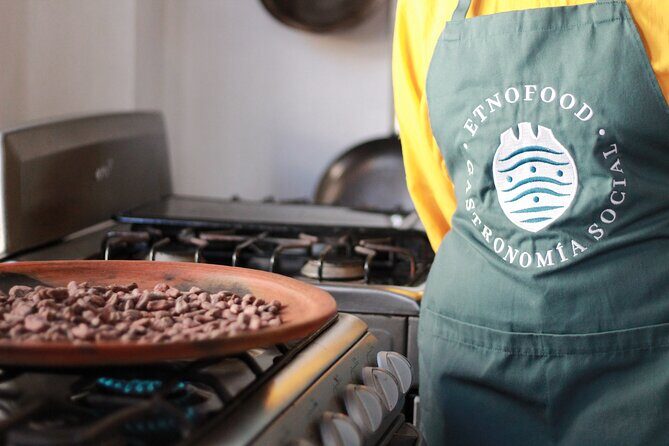
The workshop highlights Criollo cacao from Oaxaca’s tropical jungle area near the Pacific. You do not need to memorize farming details to benefit from this part. The takeaway is that origin and bean type affect flavor before anyone even touches a chocolate bar.
This matters because it changes how you think about shopping after the class. Instead of treating all chocolate as the same category, you start noticing differences: the character of the cacao, how pure it tastes, and how that purity shows up when you work through the process.
What hands-on work teaches you about cocoa
Because the class is hands-on, you get a sensory education. You can taste quality and purity rather than reading about it. When you grind, mix, and shape, you are forced to pay attention to the cues that make cacao different—aroma, how it behaves, and what it turns into once it becomes chocolate.
That is the real value of learning a technique in person: you build a mental map for later.
Making Your Oaxacan Chocolate: Tools, Technique, and “From Scratch” Momentum
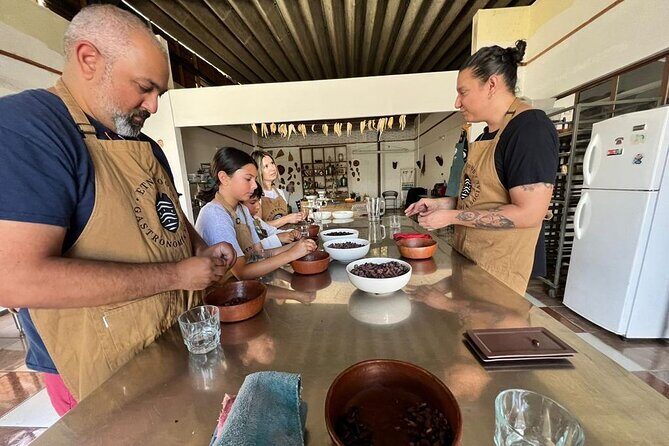
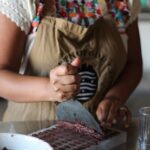
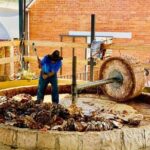
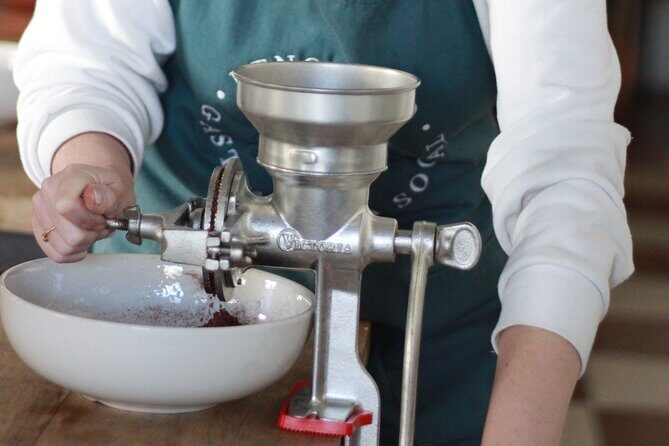
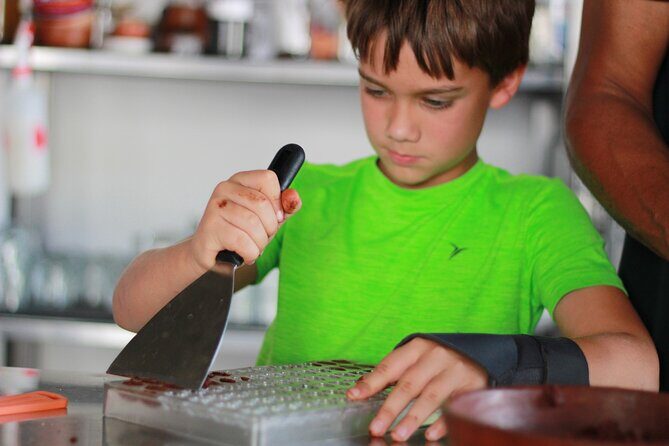
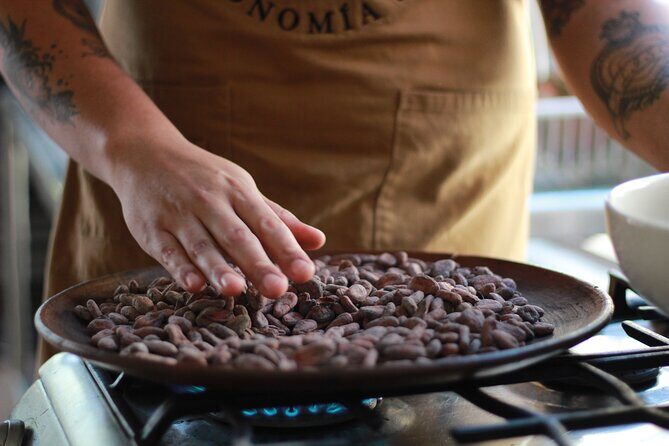
This is the part you came for: creating a chocolate bar and shaping it in Oaxacan style. The workshop provides aprons and sets you up with tools such as mills, stoves, and molds. That means you can focus on technique without worrying about bringing equipment or guessing how the setup works.
What happens in the working session
You can think of the session as moving from cacao to chocolate through a series of steps that build on each other. You will learn the processes surrounding cocoa—then translate that into something you can hold, taste, and take home.
The class also includes snacks made in the chocolate shop. That gives you time to compare flavors as you go, and it helps you understand what changes with different choices.
Interactive teaching and your best move
A strong theme in the experience is interaction. The instructor approach is described as heartfelt and thorough, with lots of hands-on time and an encouragement to ask questions. So if you want to get the most out of the class, come ready with curiosity:
- Ask what you are tasting and what step created that flavor
- Ask why Oaxaca cacao is positioned as special
- Ask how you might recreate the result back home
Small group size makes those questions actually matter.
Don’t Miss the Tasting: Hot Chocolate and Candy-Style Creations
Along with creating chocolate, the class includes tastings. You should expect to sample chocolate shop creations as part of the snack portion, and the experience description also connects to preparing Oaxacan-style hot chocolate during the hands-on work.
This tasting layer is important. Chocolate-making can feel technical, but tasting keeps it human. You learn faster when you can connect your actions to what you taste next.
Why tastings are part of the education
If you only focus on the steps, you might leave with instructions but no understanding of how flavor outcomes happen. Tastings let you calibrate your palate. After you taste, you can better answer your own questions like:
- Why does this feel smoother or sharper?
- Does the cacao taste more roasted or more earthy?
- How does sweetness balance bitterness?
What You Leave With: 150 Grams Designed by You
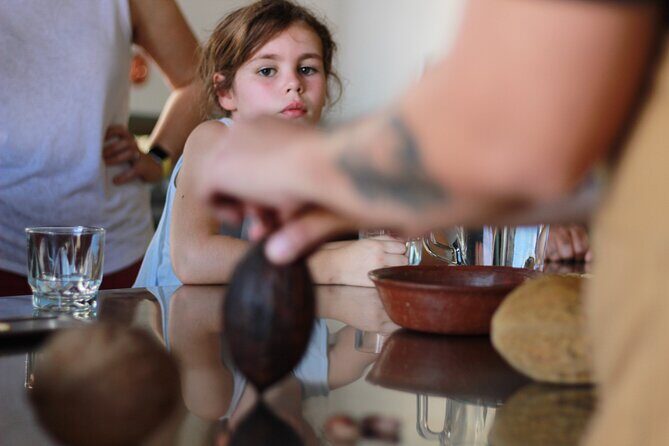
Here is the simple souvenir logic: you take home 150 grams of chocolate designed by you. That is a meaningful amount. It is enough to share with family, give as a gift, or keep for slow, intentional tastings later.
The best part is that you are not just bringing home something someone else produced. You are bringing home the result of your choices and the learning process. And because it is tied to Oaxaca, it makes a strong story back home: not just I ate chocolate in Mexico, but I learned how Oaxaca-style chocolate is made.
Gift and storage tips (practical reality)
Chocolate does not like heat. If you are walking around town right after your class, keep it away from direct sun and pack it so it does not melt. If you buy other snacks too, let your chocolate be the last item you pack, not the first one under your body or under heavy bags.
Price and Value: Is $60.95 Actually Fair?
At $60.95 per person for about 2 hours 30 minutes, the class is not a bargain in the way a street-food snack is. But it is priced like a real workshop with real output.
Here is what you get for that price, based on the experience details:
- A full hands-on chocolate-making session
- 150 grams of chocolate to take home
- Coffee and/or tea, plus snacks
- Aprons and equipment like mills, stoves, and molds
- Bottled water access without plastic bottles used
When you compare that to paying for tastings alone, the take-home amount and the equipment-supported making time make a difference. You are basically paying for instruction, space, tools, and ingredient work—then you get the edible product at the end.
If you enjoy cooking classes or want a food memory that is more than a photo, the value becomes clearer.
Who This Class Fits Best
This workshop is especially good if you:
- Want Oaxaca food culture with a clear ingredient story
- Like hands-on cooking more than museum-style learning
- Want a take-home edible gift that feels personal
- Enjoy chocolate beyond the basics and want to understand why it tastes different
It may be less ideal if you prefer purely passive experiences. This one expects participation. It also leans into history and cocoa process, so if you only want quick sweetness, you might find it a bit more educational than you planned.
Quick Booking Check: Timing and Small Details That Affect Your Day
This class is described as commonly booked about 21 days in advance on average, so if you have firm travel dates, booking earlier helps. Confirmation happens at booking time, and the experience is capped at 6 travelers, so you are not fighting for space in a large crowd.
Also note the class is in English, which is a plus if you want to understand the steps and history clearly without relying on translation.
Should You Book This Oaxacan Chocolate Class?
Yes, if you want a hands-on food experience that mixes Oaxaca cacao context with a real output you can taste and take home. The combination of small group teaching, included drinks and snacks, and the 150-gram finished product makes it a strong choice for couples, small groups, and solo travelers who like learning with their hands.
If you are only interested in quick tasting, or you dislike process-oriented classes, you might feel your time would be better spent eating your way through Oaxaca. But if you like the idea of returning home with a bar you designed and a clearer sense of how Oaxaca chocolate is made, this is a very good bet.
FAQ
How long is the Oaxacan-style chocolate-making class?
It lasts about 2 hours 30 minutes.
How much does it cost?
The price is $60.95 per person.
What language is the class offered in?
It is offered in English.
How many people are in the group?
The class has a maximum of 6 travelers.
Do I get anything to take home?
Yes. You take home 150 grams of chocolate designed by you.
What is included in the price?
Coffee and/or tea, bottled water access (no plastic bottles used), snacks, plus aprons and the tools used like mills, stoves, and molds.
Where does the experience start and end?
It starts at TeoLabXicoténcatl 609, Centro, and it ends back at the meeting point.
What is the cancellation policy?
Free cancellation is available up to 24 hours in advance for a full refund. If you cancel less than 24 hours before the start time, the amount paid is not refunded.