REVIEW · OAXACA CITY
Mixology class with Mezcal in Oaxaca
Book on Viator →Operated by Etnofood Experiencias · Bookable on Viator
Mezcal plus hands-on mixing makes for a surprisingly fun learning night, and I like the way the class builds flavor from local, organic ingredients instead of shortcuts. You’ll also get real technique practice, from basic shaker movement to how to assemble cocktails with mixers, syrups, ice, and presentation. One possible drawback: if you go in with a light appetite, four cocktails in two hours can hit fast, and the snacks may not feel like a full meal.
This is also a small-group setup (max 8), run in English with a mobile ticket, and it’s timed for an easy evening slot. The vibe is part classroom, part playtime, with music allowed, plus a focus on how people reinterpret drinks in their communities—not just how to copy a recipe.
In This Review
- What you’ll actually do during the workshop
- Key things that make this class worth your time
- Espacio Mezcal: where the lesson happens
- The ingredient story is the real curriculum
- Mezcal in the mix: more than a spirit pour
- Learning the basics: shaker technique and bartender tools
- Building cocktails: classic, juice, syrup, and ice options
- The tasting moment: sharing cocktails with the group
- Price and value: why $59.72 can make sense
- Who should book this mezcal mixology class
- Should you book it? My practical call
- FAQ
- FAQ
- What is the duration of the Oaxaca mezcal mixology class?
- Where does the class start and end?
- What time does the workshop begin?
- Is it taught in English?
- How many people are in the group?
- What’s included in the price?
- Do I need to be 18 or older?
- Can I play music during the class?
- Is free cancellation available?
What you’ll actually do during the workshop
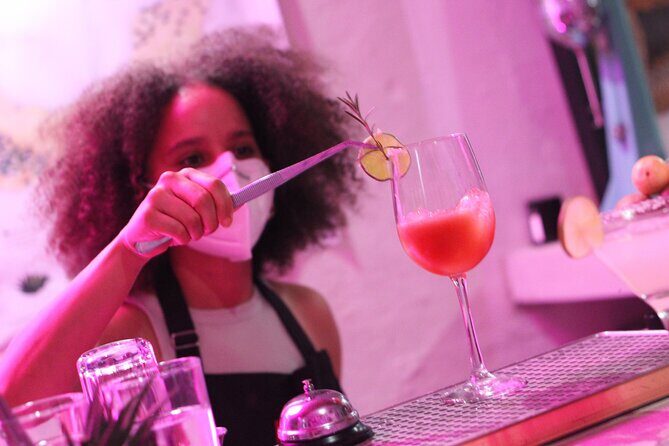
The workshop is hosted at Espacio Mezcal, and the experience is built around a simple idea: cocktail making starts with choices. First, you talk through the history and evolution of mixology, then you get into the current trend of reinterpreting drinks using what’s local and seasonal. That theme matters because it explains why your ingredient decisions change the final drink.
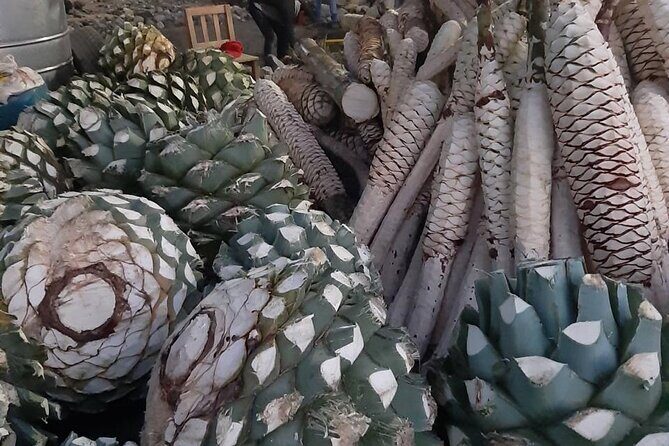
After that, you’ll meet the ingredient lineup—fruits, vegetables, herbs, aromatic plants, flowers, branches, and even unusual garnish-style items like exotic wood sticks and an occasional insect (they are presented as part of the local ingredient story). You’re not just tasting randomly. You’re learning how each product can play a role in building a cocktail base or shaping aroma and flavor.
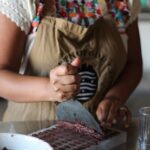
Then you move into tools and technique. You’ll be introduced to glasses and bartender instruments, given a bartender’s apron, and taught a basic bartender movement—especially how to handle the shaker. From there, the class pushes you into imagination mode. You’ll work through ways to build cocktails as classics, juices, alcohol-forward drinks, syrups, and ice-based mixtures, and then focus on presentation.
Key things that make this class worth your time
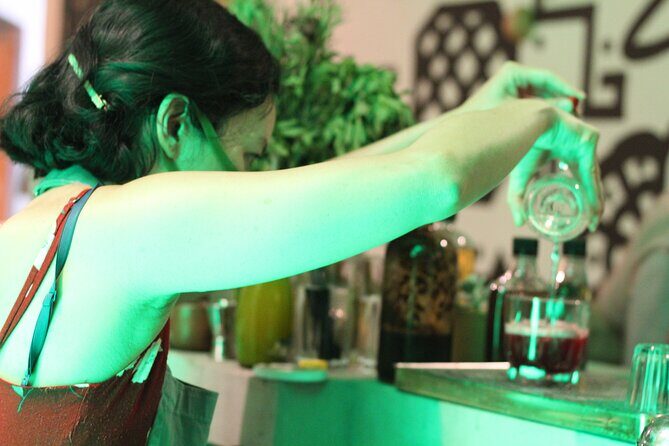
- Organic, Oaxaca-grown ingredient focus: You’ll learn ingredient history, not just how to pour.
- Hands-on shaker practice: You get movement basics early, then use them while you build.
- A guided path from base to finished cocktail: Expect structure, not random mixing.
- Small group energy (max 8): Easier to ask questions and practice your own technique.
- Music is allowed: You can keep the mood more personal.
- You taste what you make: There’s a shared cocktail tasting at the end.
If you're still narrowing it down, here are other tours in Oaxaca City we've reviewed.



Espacio Mezcal: where the lesson happens
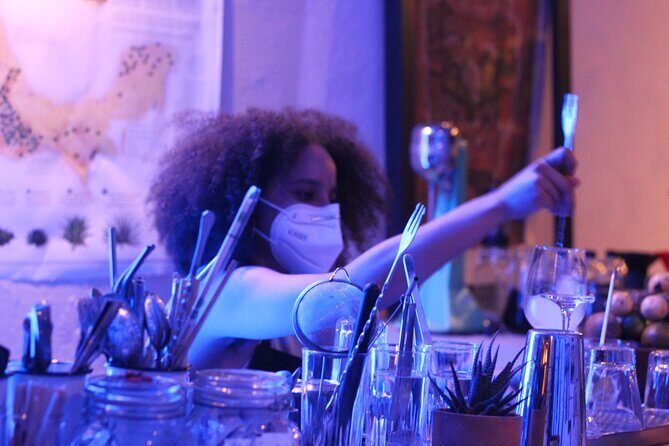
Espacio Mezcal is the core stop, and it works well for an evening class because it keeps everything in one place. You start at EtnofoodXicoténcatl 609 in Centro, Oaxaca City, and the activity ends back at the same meeting point.
Practically, that means you don’t have to connect multiple locations or figure out inter-stop timing. It also makes it simpler to plan dinner around it. I’d treat this as your main event for the night. If you want to eat beforehand, eat a proper meal—more on that in a second.
English support is part of the setup, and confirmations are handled at booking time. Also, the group size is limited to a maximum of 8, so you’re not stuck watching someone else work while you wait your turn.
The ingredient story is the real curriculum
The class doesn’t just say use mezcal. It teaches how cocktails get built and interpreted, using local products as the backbone. You’ll present a wide variety of organic items—think herbs and aromatic plants for smell and lift, fruits and vegetables for acidity or sweetness, and flowers or branches for aroma and visual impact.
The best part of this approach is that it trains your taste decisions. Instead of memorizing one recipe, you learn how to ask: What role does this ingredient play? Is it there for brightness? Depth? Aroma? Mouthfeel? When you understand the role, it’s easier to recreate something later at home, even if you can’t find the exact same ingredient.
One playful detail to know up front: the ingredient list may include unusual items like an insect. That doesn’t mean you’ll be forced to eat anything you don’t want—it’s presented as part of the ingredient world they’re exploring. If you’re squeamish, tell the instructor early so you can opt for a more comfortable role during prep.
Mezcal in the mix: more than a spirit pour
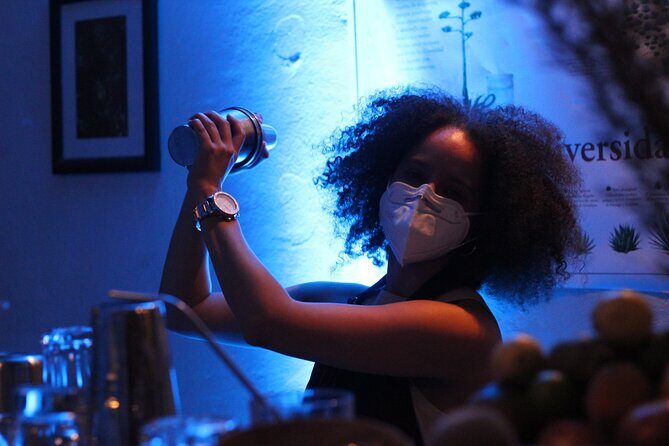
Mezcal is the star here, but the class treats it like a building block, not a shortcut. You start with organic mezcals and Oaxaca-made products, then move into a cocktail class built around mezcal-based drinks.
This matters because mezcal has a strong personality—smoky, earthy, sometimes even surprising in finish. If you only learn when to pour, mezcal can feel harsh or random. The lesson aims to teach balance: how a cocktail base, syrup, juice component, and ice plan can soften edges, brighten flavors, and create a smoother arc.
From what the structure promises, you’ll also do something valuable for future trips to Oaxaca: you’ll be able to taste mezcal like a participant, not like a spectator. You’ll pick up what you like (and don’t like) about how mezcal behaves in a mixed drink.
Learning the basics: shaker technique and bartender tools
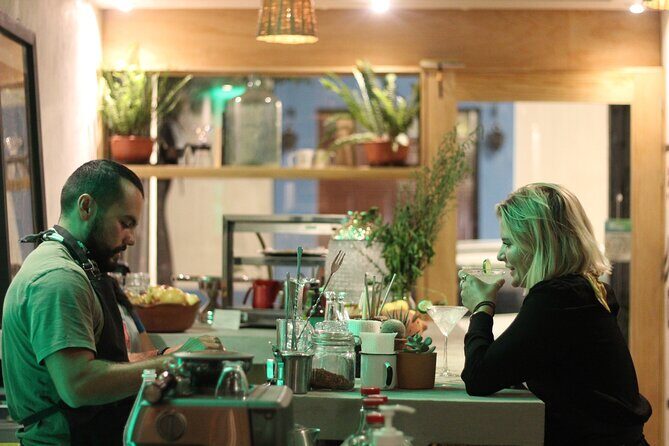
A lot of cocktail classes focus on the final drink. This one includes the process tools, which is where skill comes from.
You’ll be introduced to bartender instruments and different types of glasses, then taught foundational movements—especially how to move the shaker correctly. The goal is technique you can actually repeat. If you’ve ever tried to shake a drink at home, you know the frustrating part is inconsistent results. The class pushes for consistent handling.
That said, there’s one fair consideration. One account of the experience noted that the focus leaned heavily toward shaking mechanics, more than the flavor or quality details of the finished drink. If that’s your priority—taste theory over technique—go in with an open mind and ask specific questions about balancing flavors, not just shaking form.




Building cocktails: classic, juice, syrup, and ice options
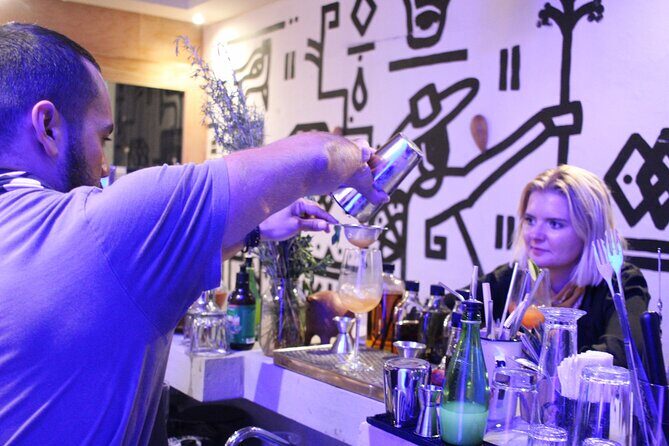
The workshop is designed to encourage imagination. That shows up in how the mixing work is described: you’ll learn possibilities for making a classic, a juice-style drink, an alcohol-based cocktail, a syrup component, and ice-based presentation.
This is useful because it gives you multiple paths for creativity. Mezcal doesn’t have to live in one style. You can build it like a refreshing drink, like a sweet-spiced mix, or like something more dramatic with aromatics and presentation.
Also, because you’ll be practicing with the tools and instruments provided, you’re not stuck waiting for someone else to do all the work. The class style is hands-on enough that beginners should feel included, but it also offers enough structure to keep people engaged who already have some bar experience.
The tasting moment: sharing cocktails with the group
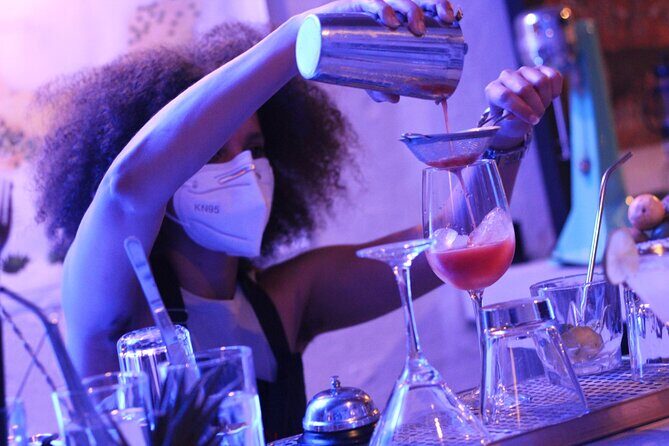
The end of the workshop includes a Mexican cocktail tasting, with cocktails to share among attendees. In other words, you don’t just get a single drink. You’ll have multiple examples of how the same mezcal spirit can become different drinks depending on bases, syrups, juice components, and presentation.
This shared tasting is one of the more practical parts of the night. It helps you connect technique with result: you can compare what happened when an ingredient choice shifted. It’s also how you leave with stronger taste memory, which is what makes souvenirs stick. Instead of remembering a bottle label, you remember flavor patterns.
One thing to watch: the class includes alcoholic beverages and snacks, plus bottled water. Still, if you start hungry, you may find the pacing leads to feeling pretty tipsy. A person noted they got too drunk on four cocktails without dinner. My advice is simple: eat a real meal beforehand or plan on light drinks, not a high-caffeine night and then cocktail marathon.
Price and value: why $59.72 can make sense
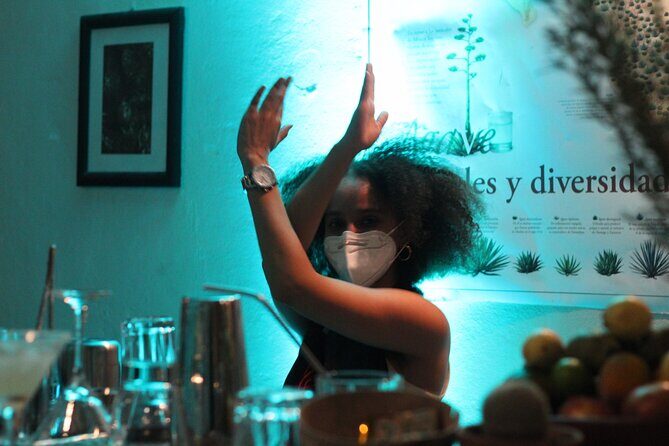
At $59.72 per person for about two hours, this can be a solid value if you’re the type who likes to learn by doing.
Here’s what you’re paying for that raises the value beyond a basic tastings:
- Materials and tools provided (shaker, instruments, glasses setup)
- Mezcal and alcoholic beverages included
- Bottled water and snacks
- A structured class format, not just free sampling
- Small group limit of 8, which usually means more time practicing and asking questions
If you compare this to a typical evening out where you pay for drinks but get no technique, the class framing matters. You’re essentially buying a short, hands-on skill session paired with tasting. That’s how the price starts to feel reasonable.
Still, if you’re sensitive to alcohol pace, remember this is a drinking-focused workshop. Consider eating beforehand and going in with your hydration plan.
Who should book this mezcal mixology class
I’d point you toward this class if you want:
- A fun, hands-on way to learn mezcal cocktail basics
- A look at how Oaxaca ingredients can shape drinks
- Technique practice that goes beyond ordering the same bar menu item
- An evening activity that stays in one place and lasts about two hours
It may be less ideal if:
- You want a purely food-style meal with minimal alcohol
- You care mostly about flavor theory and want less focus on shaker mechanics
- You strongly dislike unusual ingredient presentations (like an insect being part of the ingredient story)
Should you book it? My practical call
Yes—book it if you’re excited by the idea of mixing mezcal with local, organic ingredients and learning how to actually handle the shaker and build cocktail components. The small group size, English delivery, and hands-on format make it a good use of an Oaxaca City evening.
If you’re cautious about getting tipsy, fix that with one move: eat beforehand, drink water, and pace yourself during tasting. And if you’re mostly there for flavor nuance, bring your questions early. The class is built for participation, so you can steer the conversation toward balance and taste.
FAQ
FAQ
What is the duration of the Oaxaca mezcal mixology class?
The class runs for about 2 hours.
Where does the class start and end?
It starts at EtnofoodXicoténcatl 609, Centro, 68000 Oaxaca de Juárez, Oax., Mexico, and it ends back at the same meeting point.
What time does the workshop begin?
The start time is 7:30 pm.
Is it taught in English?
Yes, it’s offered in English.
How many people are in the group?
The activity has a maximum of 8 travelers.
What’s included in the price?
It includes all materials for the mixology class, a shaker and bartender instruments, mezcal and alcoholic beverages, bottled water, and snacks. You’ll also receive an apron and supplies to make cocktails.
Do I need to be 18 or older?
Alcoholic beverages are for those older than 18 years.
Can I play music during the class?
Yes, you can play your preferred music.
Is free cancellation available?
Yes. You can cancel for a full refund up to 24 hours in advance of the experience start time.