REVIEW · OAXACA DE JUAREZ
Oaxaca and its colors: Walking City Tour
Book on GetYourGuide →Operated by EL CONVENTO DMC, S.A. DE C.V. · Bookable on GetYourGuide
Oaxaca’s streets do the talking for you. This walking tour strings together the parts of the city that feel most real fast: Macedonio Alcalá street, major markets, baroque church architecture, and the former convent of Santa Catalina.
I especially like how the certified bilingual guide keeps the stops connected, so you’re not just hopping from landmark to landmark—you’re learning what you’re looking at and why it matters.
One thing to plan for: it’s a 3-hour walk on cobblestones, and it’s not suitable for people with mobility impairments or adults over 70.
In This Review
- Key highlights worth your attention
- Oaxaca’s color-filled walking loop in three hours
- Getting started: meeting point, pace, and what to wear
- Walking Macedonio Alcalá Street like a local
- Two markets that you’ll learn to read fast
- Temple of Santo Domingo de Guzmán: slowing down for baroque details
- Santa Catalina convent: the quiet architecture you’ll remember
- Museum of Cultures and the chocolate factory stop
- Price and value at $35 for a small group tour
- Who should book this Oaxaca walking tour (and who should skip it)
- Should you book Oaxaca and its colors: Walking City Tour?
- FAQ
- FAQ
- How long is the Oaxaca and its colors Walking City Tour?
- How much does the tour cost?
- What’s included in the price?
- What isn’t included?
- What languages are the guides available in?
- Where do I meet the group?
- Is it okay if I need accessibility accommodations?
- What should I bring, and do I need to eat first?
Key highlights worth your attention
- Macedonio Alcalá: a pedestrian main street lined with colonial-era facades, craft shops, and small cafés
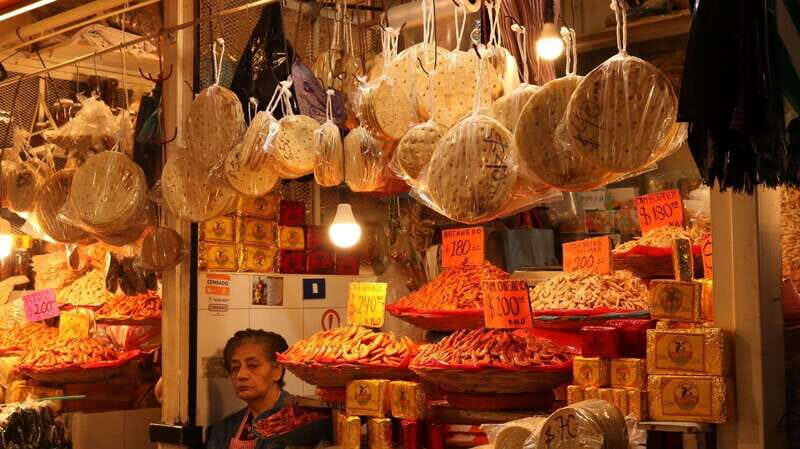
- Two major markets: see how locals shop, and spot everyday Oaxacan life in textiles, produce, and stalls
- Temple of Santo Domingo de Guzmán: baroque architecture with an ornate façade and decorated interior
- Former convent of Santa Catalina (entry included): cloisters and patios that change the pace completely
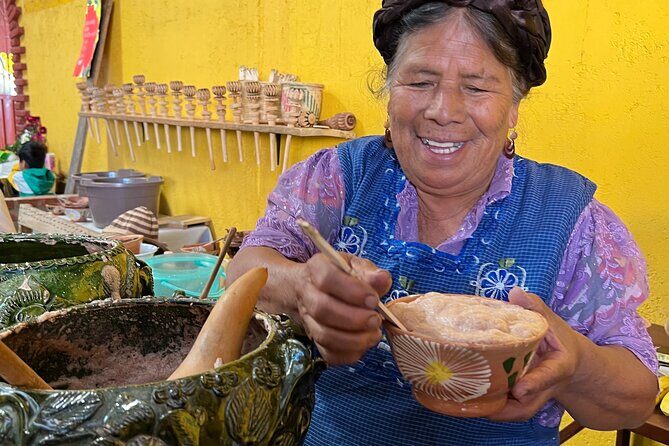
- Chocolate factory plus tastings: small samples of Snow, Tejate, and Chapulines
- Small group (up to 10): easier questions and a calmer feel than big-bus tours
Oaxaca’s color-filled walking loop in three hours
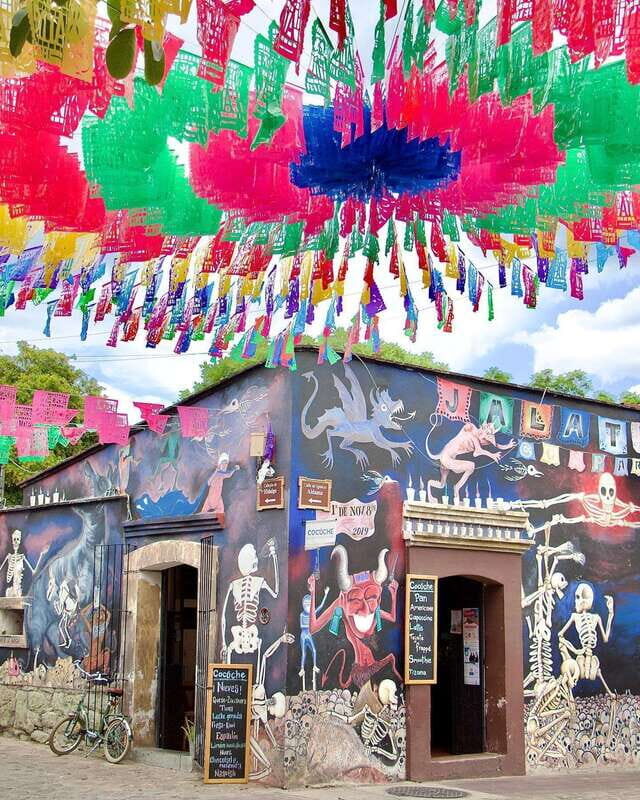
If you only have a short window in Oaxaca, this tour is built for that reality. In about 3 hours, you cover the kind of places that make the city feel lived-in: the shopping lanes of the markets, the grand church architecture, and the softer, quieter spaces of a convent complex.
What I like most is that you get both sides of Oaxaca: the public, high-energy day-to-day of the markets, and the formal, designed beauty of religious architecture. The stops are also practical for a first-timer. You get orientation without feeling like you’re locked into a strict checklist.
The tour also has a food-and-drink hook, but not in a heavy way. You’ll do small tastings (Snow, Tejate, and Chapulines) rather than a full meal. That’s a smart move because it lets you taste while still keeping you on schedule for walking.
Finally, the small group format matters. With up to 10 people, the guide can slow down when questions pop up and keep the group together on tight sidewalks.
If you're still narrowing it down, here are other tours in Oaxaca De Juarez we've reviewed.

Getting started: meeting point, pace, and what to wear
The meeting point is straightforward, though it does require one step of communication: you’ll need to ask about el convento dmc travel agency. Once you’re there, the guide handles the flow.
The big practical detail: wear comfortable shoes. Oaxaca’s center is known for uneven stones and slick patches after rain, and this tour is built around walking. Comfortable clothes also help, since you’ll be on your feet for the whole 3-hour stretch.
Also, don’t skip breakfast. It’s recommended to have it before you go. Since you’ll be sampling local treats along the way, starting hungry-but-not-starving keeps the tasting part enjoyable instead of stressful.
On the language side, you can count on a live guide in Spanish or English, so you should be able to follow the explanations and ask questions as you walk.
And about who this fits: it’s not suitable for people with mobility impairments, and it’s not designed for adults over 70. If your mobility is limited, you’ll likely be better with a slower, more seated option.
Walking Macedonio Alcalá Street like a local
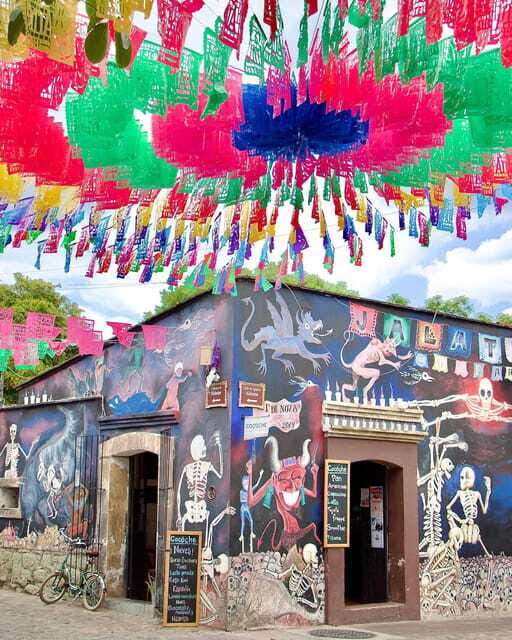
Your route begins on the city’s main pedestrian street: Macedonio Alcala Street. This is the kind of place where Oaxaca’s personality shows up in details. You’ll see colonial-style buildings lining the street, plus the businesses that make the area feel current—art galleries, jewelry shops, and craft-focused stops.
This is a good first move because it’s an easy way to get your bearings. Instead of immediately hopping into deeper neighborhoods, you start where locals naturally pass by on foot. You can look up at architecture, notice signage styles, and get a sense of where the action is.
For me, the value here is how the street walk sets context for everything after it. When you later reach churches and convent spaces, you’ll better understand the city’s “before and after” layers—colonial design alongside Oaxacan culture that continues to shape daily life.
One extra bonus: this kind of walking lets you pause without breaking the whole day. If something catches your eye—a doorway, a shop window, a piece of craft work—you can take a quick look and get back with the group.
Two markets that you’ll learn to read fast
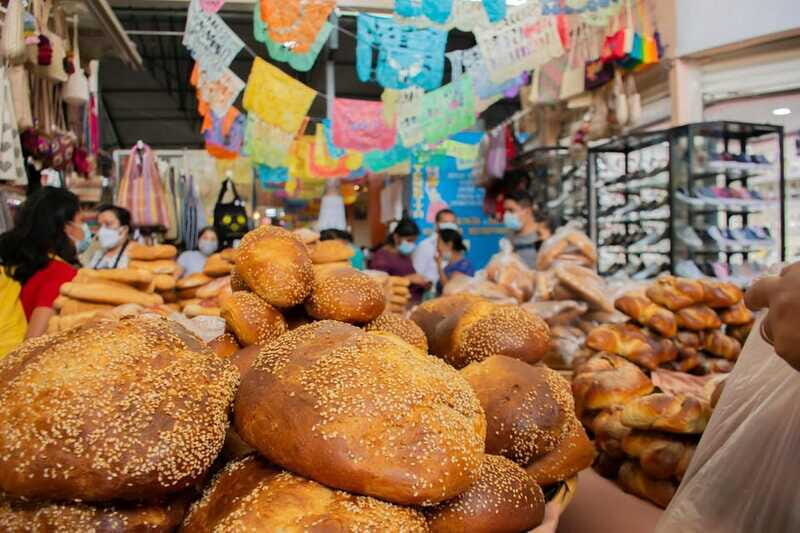
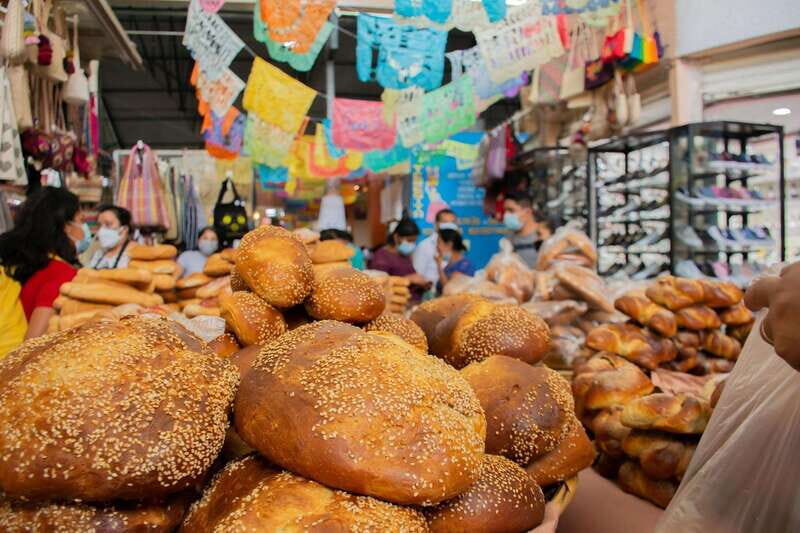
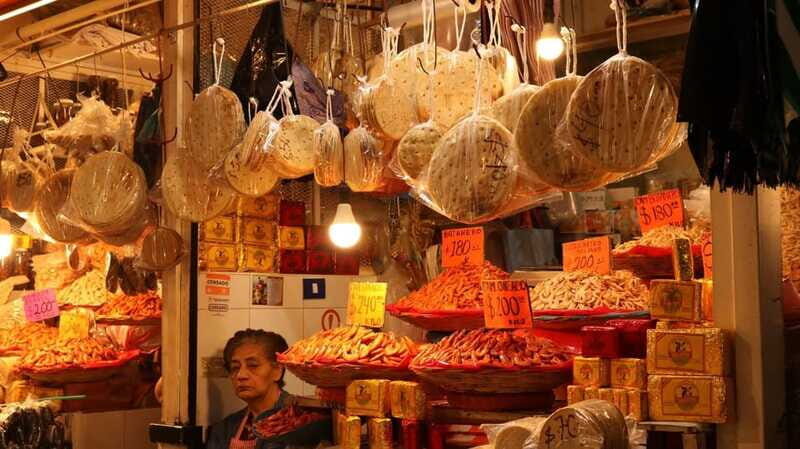
Markets in Oaxaca aren’t just places to buy things. They’re where the city’s rhythm shows up. On this tour, you’ll explore two of Oaxaca’s most important markets, which is a smart choice for a short visit. One market can feel intense; two gives you variety without dragging the time out.
As you walk through, pay attention to how the market is organized. You’ll notice how different stalls group together by type—produce, textiles, and crafts—and how shoppers move through with purpose. That helps you understand what the market is for: day-to-day provisioning, plus a steady supply chain for Oaxacan goods.
You’ll also get smells and colors working together, but the real “wow” is in what the guide points out. The architecture is the headline on many tours, but markets teach you how people live. The guide’s role is key here—because the best market knowledge is often invisible unless someone tells you what you’re seeing.
Practical note: markets can be crowded and loud. Since this tour is small-group, you’ll have an easier time keeping your place and following instructions, especially at tight crossings between stalls.
If you want a souvenir without feeling like you’re guessing, markets are also where you can spot quality textiles and crafts while still asking quick questions. You’re already paying attention by the time you reach this point of the walk.
Temple of Santo Domingo de Guzmán: slowing down for baroque details
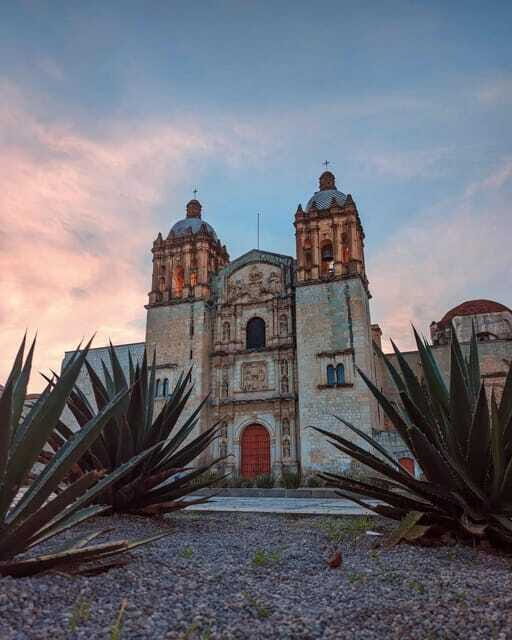
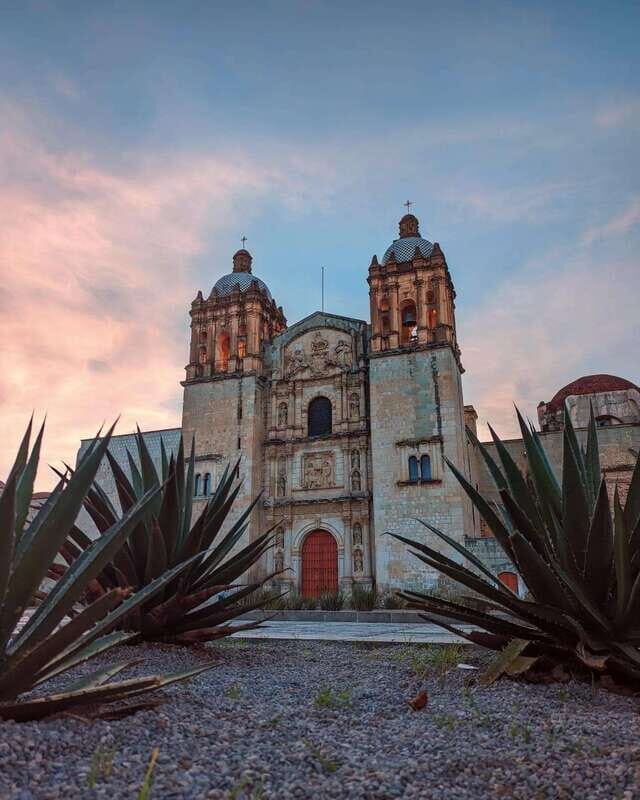
Next is one of Oaxaca’s best-known church stops: the Temple of Santo Domingo de Guzmán. This is the part of the tour where the architecture goes from “nice and old” to “wow, someone really cared.”
The façade is described as baroque with ornate, detailed work. When you’re standing in front of it, try not to rush. Baroque decoration is often layered—small carvings, sculptural features, and repeating motifs. The guide’s explanations help you spot patterns that you might miss at a glance.
Inside, you’ll also have a chance to see richly decorated sacred art. Even if you’re not the type who goes deep into art history, this stop works because it teaches you how to look. Baroque churches can feel like visual noise if you don’t have a framework. A good guide gives you the “what to notice first” list.
This stop also acts like a reset. After the kinetic energy of markets, the temple pulls you into a slower mindset—standing still, looking up, and letting the space do what it’s designed to do.


Santa Catalina convent: the quiet architecture you’ll remember
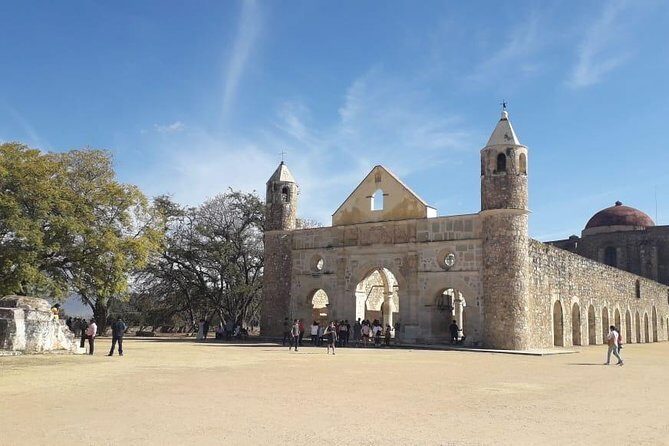
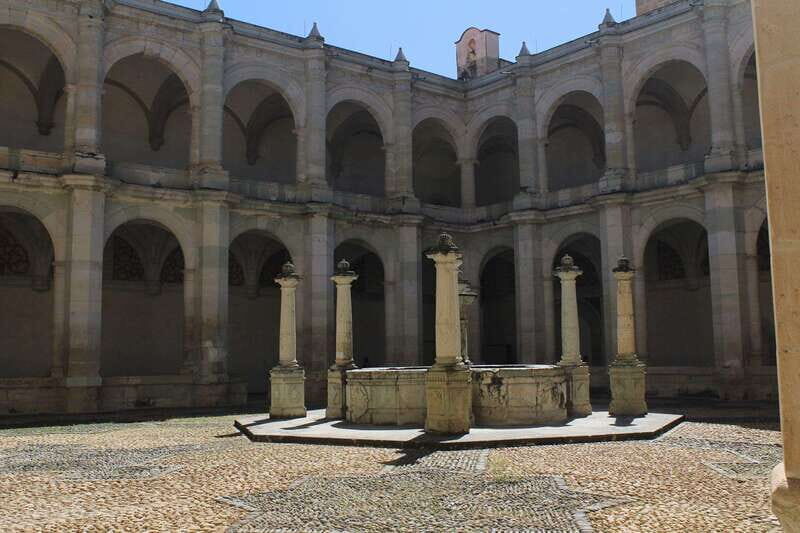
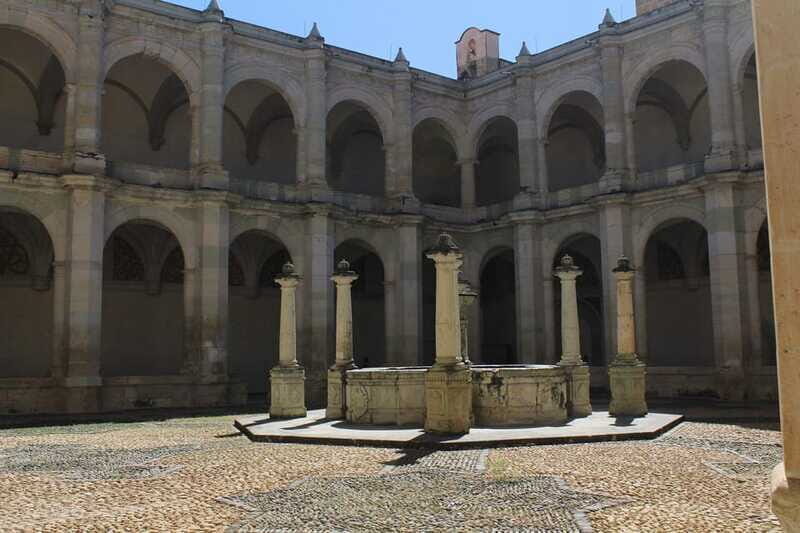
The tour’s biggest included architecture moment is the former convent of Santa Catalina, and entry is part of the price. This matters because convent spaces don’t work the same way as churches. They’re about enclosure, movement through courtyards, and spaces built for calm.
On-site, you’ll see cloisters and patios. Those terms matter because they describe how the architecture shapes daily life—walkways that loop around inner spaces, and open-air patios that create light and breathing room. It’s the kind of setting where you naturally lower your voice and slow your steps.
This is also where the tour’s title makes sense. Oaxaca’s colors aren’t only in fabrics and market produce. They show up in stone, shadow, and the way light falls in a courtyard. The convent gives you that visual contrast after walking streets and navigating market crowds.
Why this included stop is such good value: many walking tours focus on streets and quick photo stops, but this one gives you access to a specific site you’d likely want to pay for separately if you went on your own.
Museum of Cultures and the chocolate factory stop
The tour includes time at the Museum of Cultures of Oaxaca area, but museum entrance isn’t included. That means you should treat the museum stop as flexible: you might choose to go in depending on your interests and budget.
If you do plan to visit inside, keep extra money aside. The museum can be a great follow-up to everything else on the route because it connects the dots between Oaxaca’s different cultural influences. If you’re the kind of traveler who likes context, it’s worth factoring in.
Then comes the sweet-and-snacky part: a chocolate factory stop with a chance to taste artisanal chocolate samples. Even if you’re not a chocoholic, this is a practical way to learn about local flavor culture without turning it into a long detour.
You’ll also have small tastings as part of the tour: Snow, Tejate, and Chapulines. The key is that these are small samples, not a full meal—so you can try what sounds interesting without committing to anything you’re not sure about.
If you have dietary concerns, this is a moment to check with your guide before sampling. The tour data confirms what tastings are offered, but it doesn’t spell out ingredients, so it’s smart to ask.
Price and value at $35 for a small group tour
At $35 per person for 3 hours, this tour sits in the midrange for walking tours in central Oaxaca. The value is driven by three things that are actually included:
- Entrance to the former convent of Santa Catalina
- A certified bilingual guide
- Small tastings of Snow, Tejate, and Chapulines
That included convent entry is the biggest lever. If you’d pay that separately, the walking guide starts to make financial sense quickly. And the guide part matters more than people think—especially in places like church interiors and convent courtyards where the “why” is easy to miss if you’re on your own.
Also, the small group size (max 10) gives you a smoother experience. You’re less likely to get separated, and it’s easier to ask questions when you’re standing face-to-face with details.
What’s not included is equally important for planning: museum entrance, plus foods and drinks beyond the tastings, and transport. So if you’re the type who wants to go into museums and eat out during the tour window, budget extra.
If you want a budget-only day, you can still make this work by treating Museum of Cultures as optional and saving your meal for after the tour.
Who should book this Oaxaca walking tour (and who should skip it)
This tour is a strong match if you want:
- A first-timer’s walk that covers major landmarks without taking over your whole day
- Architecture plus markets, in one connected route
- A Spanish-English guide who helps you understand what you’re seeing
It’s also a good choice if you like small-group travel. Less time waiting, less time herding people, and more room for questions.
You might skip it if:
- You need step-free access or lots of breaks (it’s not suitable for people with mobility impairments)
- You’re an older adult and prefer a gentler pace; it’s not suitable for people over 70
On the guide quality, the standout theme in what I’ve seen from past experiences is competence and genuine love for the place. If your guide is someone like Daniel, you’ll likely get clear explanations and confident group handling—exactly what you want when you’re walking a tight circuit.
Should you book Oaxaca and its colors: Walking City Tour?
I’d book this tour if your priority is a smart, short walk that mixes Macedonio Alcalá, Oaxaca markets, and architectural highlights—without forcing you into a long schedule. The $35 price feels fair when you value what’s included: Santa Catalina entry plus tastings with a bilingual guide.
Hold off only if you’re sensitive to standing and uneven cobblestones or you already plan to do markets and church interiors on your own with a private guide. In that case, you might choose a more tailored pace.
FAQ
FAQ
How long is the Oaxaca and its colors Walking City Tour?
It lasts 3 hours.
How much does the tour cost?
The price is $35 per person.
What’s included in the price?
Entrance to the former convent of Santa Catalina, a certified bilingual guide, and small tests of Snow, Tejate, and Chapulines.
What isn’t included?
Entrance to the Museum of Cultures, foods, drinks, and transport.
What languages are the guides available in?
The tour offers live guidance in Spanish and English.
Where do I meet the group?
You should ask about el convento dmc travel agency.
Is it okay if I need accessibility accommodations?
The tour is not suitable for people with mobility impairments, and it’s also not suitable for people over 70.
What should I bring, and do I need to eat first?
Bring comfortable shoes and comfortable clothes. It’s recommended to have breakfast before the excursion.