REVIEW · OAXACA DE JUAREZ
Oaxaca: Ocotlan de Morelos Cultural Experience and Tour
Book on GetYourGuide →Operated by PARAISO HUATULCO · Bookable on GetYourGuide
Color is the first thing you notice here. This 5-hour Central Valleys day trip turns culture into something you can watch and taste, with Tejate and the waist loom weaving technique as the real anchors. The one drawback to plan around: this isn’t a sit-and-learn-only tour, and food/drinks and shopping are on you (so bring cash and set expectations).
I like that you get structure without feeling rushed: pickup from your accommodation in Oaxaca de Juárez, then a focused run through small towns you can only really understand by seeing how locals trade, weave, and carve. If you’re not great on your feet, note it’s not recommended for limited mobility, and the day moves stop to stop.
In This Review
- Key things I’d focus on
- Heading out of Oaxaca de Juárez: the day trip rhythm
- Ocotlán de Morelos church and plaza: where community life shows up
- The Tejate cafe stop: tasting a famous drink with real context
- Santo Tomás Jalieza and waist loom weaving: watching pre-Hispanic technique at work
- Food and delicacies: how to handle tastings when meals aren’t included
- San Martín Tilcajete: nature-inspired crafts and a good browsing pace
- Shopping reality check: how to keep it fun (not stressful)
- Price and value: what $57 gets you in five hours
- Who should book this Ocotlán de Morelos cultural tour?
- FAQ
- How long is the Ocotlan de Morelos Cultural Experience and Tour?
- What does the tour cost?
- Where does the tour start?
- Is pickup included?
- What language is the live guide?
- Are food and drinks included?
- Is shopping included?
- What should I bring?
- Is the tour suitable for people with mobility impairments?
- Are large bags or luggage allowed?
- Can I cancel for a refund?
- Should you book this tour?
Key things I’d focus on

- Waist loom demonstration (Santo Tomás Jalieza) you can watch as cotton threads become practical, wearable pieces
- Tejate sampling in Ocotlán de Morelos, a famous local drink with a big reputation
- Friday plaza atmosphere where makers from nearby towns come together to sell and trade
- Neoclassical church stop with details that are more than decorative
- San Martín Tilcajete craft wandering with nature-inspired handmade items to browse at your pace
Heading out of Oaxaca de Juárez: the day trip rhythm
Most tours here feel like “get in, get out, take photos.” This one is more like “get a thread, follow it.” You start with hotel pickup in Oaxaca de Juárez and head into the Central Valleys, aiming for the town of Ocotlán de Morelos first.
That first transport leg matters more than you’d think. The Central Valleys towns can look similar on a map, but once you’re there, each one has a job to do in the local craft economy. This tour leans into that idea, so you’re not bouncing between places for the sake of checking boxes.
You’ll want to wear shoes you can walk in for hours. Even when you’re just “wandering,” the streets and market areas are real surfaces, not museum floors. And because there’s no mention of rest-room breaks or long pauses, I’d plan to move with the group and keep a steady pace.
If you're still narrowing it down, here are other tours in Oaxaca De Juarez we've reviewed.

Ocotlán de Morelos church and plaza: where community life shows up

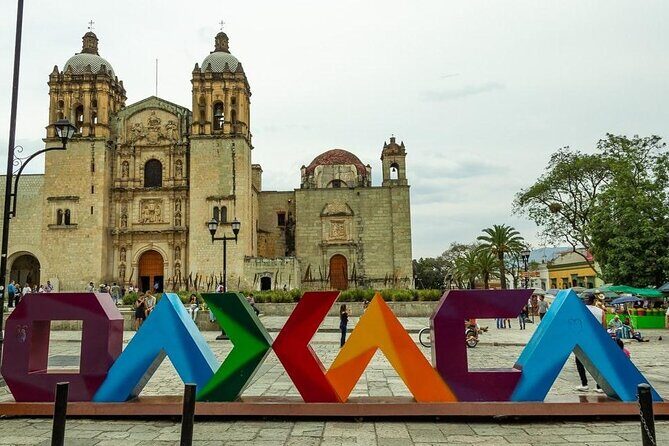
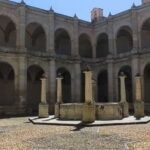
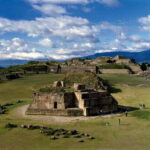
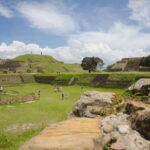
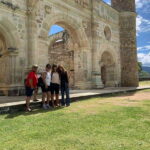
Ocotlán de Morelos starts you off with the main church, a focal point for the community. The standout detail is the Neoclassical styling—one of those reminders that this part of Mexico isn’t frozen in time. It’s layered.
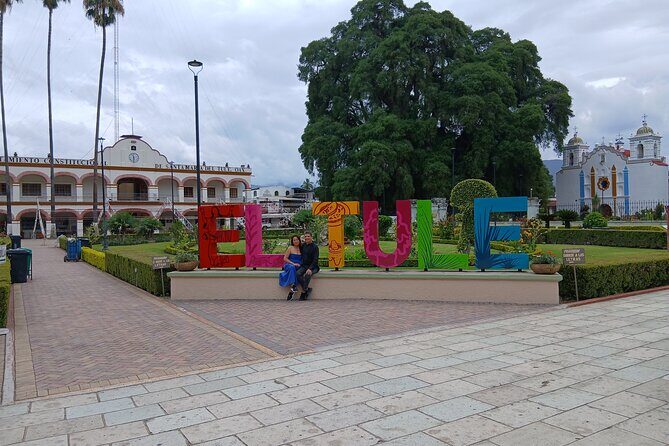
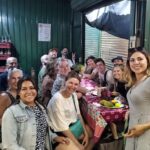
After that, you’ll reach the town’s traditional plaza. This is where the day begins to feel genuinely “Oaxacan,” because it’s not just scenery. You’ll see residents and craftsmen from nearby towns coming together on Fridays to trade and sell local products. That Friday rhythm is the difference between looking at crafts and understanding why they exist.
A quick practical note: markets can get crowded and loud, especially around the busiest stalls. If you’re shopping, it helps to arrive calm and patient. If you’re not shopping, treat the plaza like a living classroom: watch how makers set up, how people negotiate, and what items people are actually buying.
And yes, you’ll likely pass plenty of tempting items on the way to your next stop. That’s normal here. The key is to keep your budget in mind.
The Tejate cafe stop: tasting a famous drink with real context
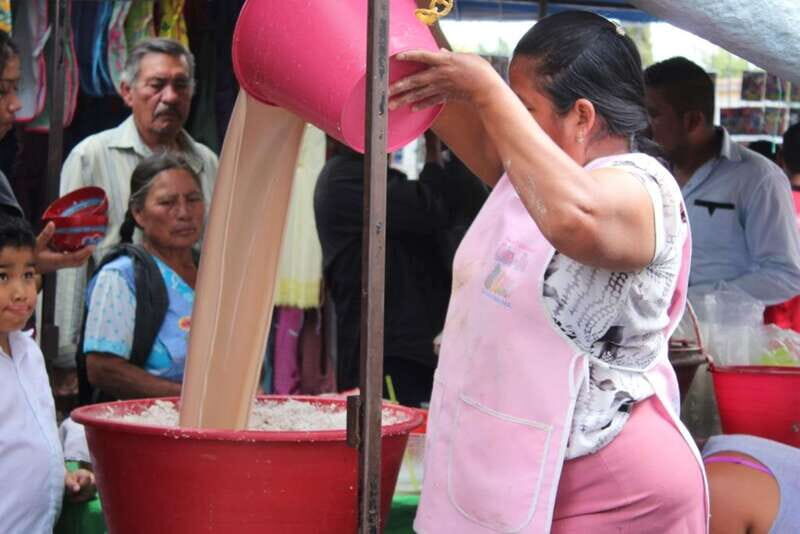
Tejate is the drink you’re aiming for next. The tour plans a cafe stop where you can sample Tejate, often called the drink of the Gods. Whether you treat it as a signature sip or just a curiosity, it’s a smart cultural moment.
Here’s why this stop works: Tejate isn’t just a beverage. It’s part of the local identity, and you get to experience it in the kind of place where locals would actually order it. That’s the difference between trying something touristy and trying something that’s woven into daily life.
One important expectation setting: food and drinks are listed as not included. So while the tour includes the stop and sampling opportunity, I’d bring cash and plan to pay if you want more than a small taste. If you’re someone who hates spending unexpectedly, do your homework on pricing, or stick to a quick sample.
Also, be ready for a slow moment in the middle of a moving itinerary. It’s a chance to sit, reset your feet, and get ready for the craft village next.
Santo Tomás Jalieza and waist loom weaving: watching pre-Hispanic technique at work
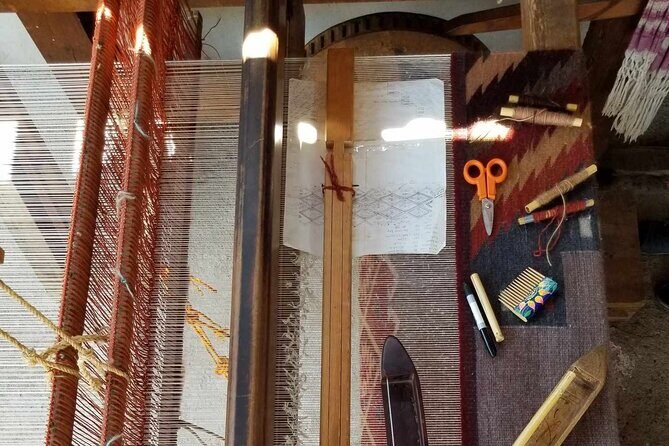
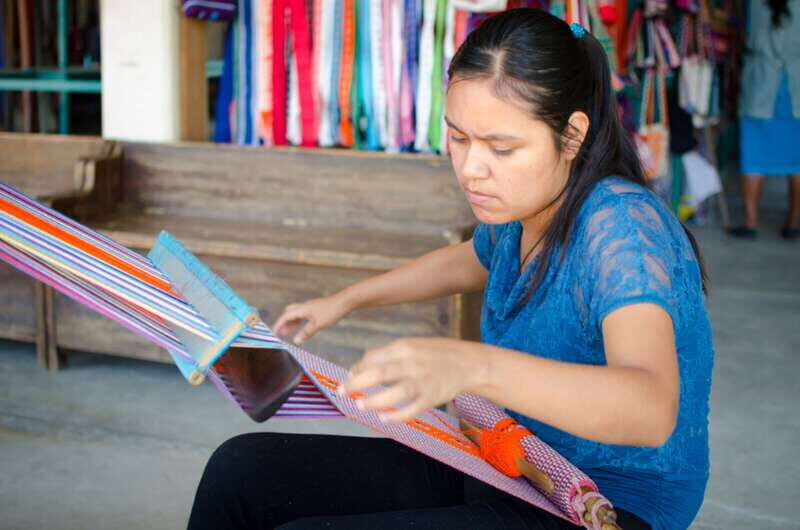
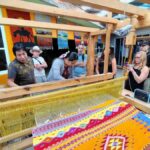
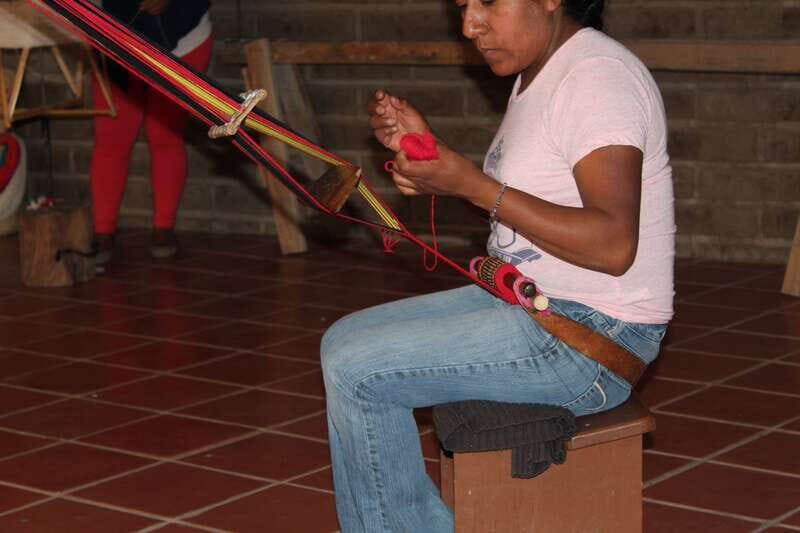
This is the stop that tends to make the tour feel worthwhile. You’ll head to Santo Tomás Jalieza, a small community known for the waist loom, a textile technique described as pre-Hispanic.
What I’d tell you to pay attention to here is the human mechanics. You’re not just seeing finished products; you’re watching the process. The tour is designed so you can learn the history of the craft and then observe local artisans creating vibrant items—clothes, bags, and other unique pieces—using cotton threads.
Why this matters for you: weaving is one of those crafts where “beautiful” is easy to see, but “understanding” takes a minute. Once you watch hands working, you start noticing details that you’d miss just by shopping. Patterns make more sense. Thread choices make more sense. Even the way people sit and move becomes part of the story.
Timing can also be a factor. Loom work is slow by nature. So don’t expect this to feel like a quick factory visit. If you like being patient and watching skill rather than chasing a photo shot, this part will land well.
And if you do buy something here, remember that you’re supporting a craft community, not a mass-production supply chain. Prices can reflect that.
Food and delicacies: how to handle tastings when meals aren’t included
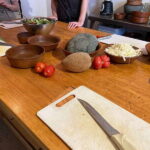
After the weaving stop, you’ll have a chance to indulge in Oaxacan delicacies. This is one of those moments that sounds like lunch, but the details matter: food and drinks are not included in the tour price, even though tastings are part of the day.
So think of this section as sampling time. You might eat, but you should also expect that you may pay for what you order. Keep a flexible mindset, and bring enough cash to cover at least one satisfying portion if the tasting doesn’t fully fill you up.
One practical tip: if you’re used to a long, seated lunch break every day, you may feel the difference. This tour runs as a sequence of stops, and your “meal” might be more like a planned tasting window than a full break. If you’re hungry easily, eat something light before pickup and consider snacks later if you need them.
The upside is that you’ll be learning while you eat. Delicacies in Oaxaca aren’t just “food”—they’re cultural shorthand. A bite can explain regional preferences in a way a lecture can’t.


San Martín Tilcajete: nature-inspired crafts and a good browsing pace

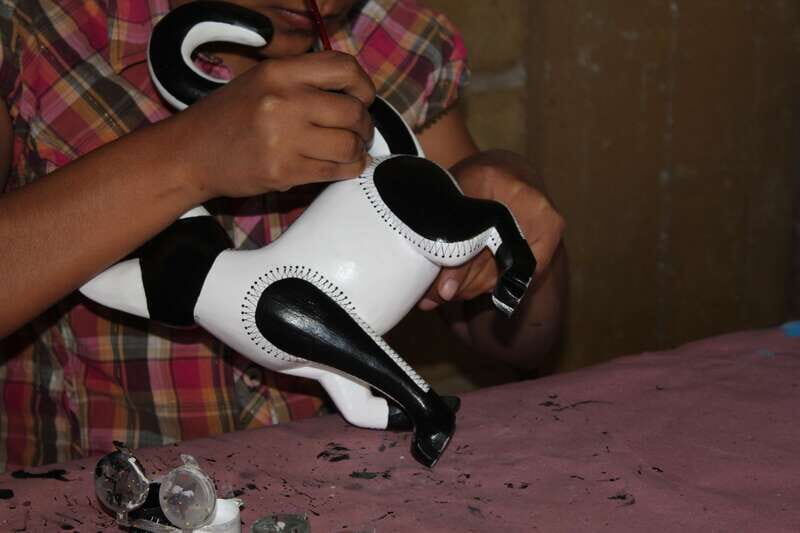
Your last stop takes you to San Martín Tilcajete, another craft-focused town where handmade items are the main event. The tour frames this as a place to wander and admire art pieces inspired by nature.
This is usually the part where the day becomes sensory. You’ll see color and texture everywhere, and you’ll have time to take your time. That pacing matters, because craft towns reward slow browsing. If you rush, you miss the little design choices—what’s carved, what’s painted, what’s repeated, and how different artisans interpret the same themes.
It’s also where shopping energy tends to peak. One thing I’d be honest about: this kind of itinerary naturally includes many opportunities to buy. The tour is not pretending it’s a pure cultural walking tour with zero sales pressure.
If shopping isn’t your goal, you can still enjoy the town. Just set a limit before you get swept into the charm. Bring curiosity, not impulse. A few good pieces can be easier to justify than a cart full of souvenirs.
Shopping reality check: how to keep it fun (not stressful)

Let’s talk expectations. This tour includes artisan towns and market time, and that means shopping is part of the structure. Some visitors like that because you can watch crafts being made, then compare it to what’s for sale.
But if you hate the feeling of being guided toward purchases, you’ll want a plan. Here’s mine:
- Decide in advance if you’ll buy one item, a few small items, or nothing.
- Keep your cash accessible, but don’t wave it around like you’re auditioning for a stall bargain.
- Focus on craftsmanship. Ask questions. Look at thread quality, carving detail, and how items are finished.
The best way to enjoy shopping on a craft tour is to see it as a follow-up to what you just watched. When you’ve seen the waist loom in motion, a finished textile or related accessory feels more meaningful. Same for nature-inspired items at the end of the day.
Also, gratuities are optional and not included. So if you’re happy with your guide, you’ll have that choice—just don’t feel forced.
Price and value: what $57 gets you in five hours

$57 for a 5-hour tour can be a great value, mainly because pickup and drop-off are included. That alone saves time and hassle in Oaxaca de Juárez. You’re also getting a full day path through multiple craft towns rather than a single stop.
Where the “value math” gets tricky is food and drinks. Those are listed as not included. So the base price covers transportation and the guided experience, but your personal spending on tastings and any purchases is on you.
If you come prepared—comfortable shoes, cash, and a realistic shopping budget—you can get a lot out of the day. If you arrive expecting meals and drinks to be fully covered, you might feel surprised.
As for guide quality, the experience gets strong marks in the way guides handle English speakers and communication. Names like Luis and Ivan show up in reported guide experiences, and that’s a good sign. A clear, attentive guide makes craft learning easier, especially when terminology (like weaving technique history) matters.
Who should book this Ocotlán de Morelos cultural tour?
You should book if you want a guided day in the UNESCO-listed Central Valleys area that mixes community stops, craft demonstrations, and real Oaxaca flavors. It’s ideal if you enjoy making things with your eyes—watching how textiles are built on a waist loom, then walking into craft towns with a better “why this looks like this” mindset.
You might skip it if you need a tour with long seated breaks, or if you have limited mobility, since it’s not recommended for people with mobility impairments. Also, if you’re traveling with large luggage, remember it’s not allowed—this is the kind of day trip where you want light.
And if your personal travel style is very museum-only, keep in mind this is built around markets and artisan towns. You’ll see community trade in action, not just heritage as a backdrop.
FAQ
How long is the Ocotlan de Morelos Cultural Experience and Tour?
It lasts 5 hours.
What does the tour cost?
The price is $57 per person.
Where does the tour start?
It starts with pickup from your accommodation in Oaxaca de Juárez.
Is pickup included?
Yes, hotel pickup and drop-off are included.
What language is the live guide?
The live tour guide is available in Spanish and English.
Are food and drinks included?
No. Food and drinks are not included, even though there are tasting opportunities during the tour.
Is shopping included?
No. Shopping is not included.
What should I bring?
Bring comfortable shoes and cash.
Is the tour suitable for people with mobility impairments?
No. It is not recommended for people with limited mobility.
Are large bags or luggage allowed?
No. Luggage or large bags are not allowed.
Can I cancel for a refund?
Yes. You can cancel up to 24 hours in advance for a full refund.
Should you book this tour?
Book it if you want a compact 5-hour cultural loop through Ocotlán de Morelos, Santo Tomás Jalieza, and San Martín Tilcajete, with craft watching and a Tejate tasting as the highlights. Bring cash and wear good shoes, and plan for the fact that food and purchases are on you. Skip it if mobility is an issue or if you dislike itineraries that include regular market and craft-stop shopping energy.