REVIEW · OAXACA DE JUAREZ
Oaxaca: Oaxacan Mole Workshop with a Traditional Cook
Book on GetYourGuide →Operated by Etnofood · Bookable on GetYourGuide
Mole starts with a market, not a recipe. I love the market tour for sourcing real Oaxacan ingredients, and I love the hands-on mole prep with active instruction from chefs like Victor Ramirez. One consideration: the walk to the market is part of the deal, and cooking styles can vary (you may see modern kitchen tools), so set your expectations if you’re chasing a super specific mole type.
This is a 3.5-hour, small-group workshop (limited to 4 people) in Oaxaca, run by the Etnofood team and guided in English or Spanish. Expect a serious food-and-culture focus: you’ll learn flavors, techniques, and the background of Oaxacan mole, then sit down to what you made—including a typical Oaxacan dessert. With a 4.7 rating across 158 reviews, it’s clearly a crowd-pleaser for people who want more than a quick cooking demo.
In This Review
- Key highlights to know before you go
- Finding the cooking class base near Oaxaca’s Zócalo
- The market walk: where flavor decisions start
- Building mole the Oaxacan way: technique, not shortcuts
- More than mole: salsas, sauces, tortillas, and quesadillas
- The kitchen experience: pacing, group work, and real guidance
- What you eat: main dishes, dessert, and mezcal pairing
- Why the Zapotec story behind mole actually helps
- Price and value: is $64 worth 3.5 hours?
- Who this workshop suits best (and who might want a different class)
- Quick advice to get the most out of your 3.5 hours
- Should you book it?
- FAQ
- How long is the Oaxacan mole workshop?
- Where do I meet for the class?
- Is this a hands-on cooking class or just a tasting?
- Does the class include a market tour?
- What exactly do I learn besides mole?
- Is mezcal included?
- What languages are offered?
- What should I bring?
- Is it suitable for children?
Key highlights to know before you go
- Market-first ingredient shopping so you understand why specific chiles, fruits, and produce matter
- Traditional mole taught actively, with guidance from chefs such as Victor Ramirez and Quetzalli
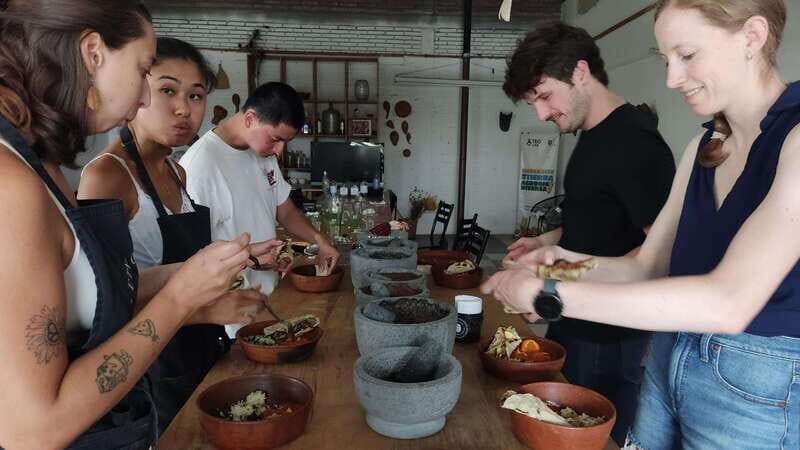
- Hands-on tortillas, quesadillas, and salsa work, so you leave with more than one recipe
- Chiles and regional sauce lessons, not just one big pot of mole
- Culture tied to food, including Zapotec connections and stories about ingredients and naming
- Mezcal pairing for adults (18+) plus seasonal fruit-flavored water
Finding the cooking class base near Oaxaca’s Zócalo
Your day starts near the City Zócalo, about five blocks away. The meeting point is on Xicotencatl Street 609, in the Downtown District, at a Foodlab with a sign that says FILOTEO outside and a large dog on the facade. If you’re the kind of person who likes to arrive early and get oriented, I’d do it here—because once you start walking, you’ll want comfortable legs.
The workshop runs about 3.5 hours and is kept to a small group of up to 4. That matters because mole and tortillas are hands-on work. You’re not standing around watching someone else cook while you pretend your hands are for moral support.
English and Spanish are offered with a live guide. If your Spanish is still in baby steps, you’ll likely get plenty of chances to use it—multiple instructors are known for being patient and friendly during the process.
If you're still narrowing it down, here are other tours in Oaxaca De Juarez we've reviewed.

The market walk: where flavor decisions start
A big part of the experience is walking to a local market to buy the ingredients for your mole. The class specifically calls for a moderate fitness level because you’ll be on your feet during the market leg, so plan for that. Wear comfortable shoes and give your body credit for doing its job.
What makes this market stop feel practical is that it’s not just about buying stuff. You learn what you’re looking at: fruits and vegetables, different chiles, and other local specialties that connect directly to Oaxacan cooking. In multiple accounts, the guides explain how ingredients are chosen and how those choices affect flavor later in the kitchen.
Another smart detail: the market portion also builds context. You’re not only learning what to add, but why these ingredients show up in Oaxacan dishes—an approach that makes mole less mysterious when you see it being made.
Building mole the Oaxacan way: technique, not shortcuts
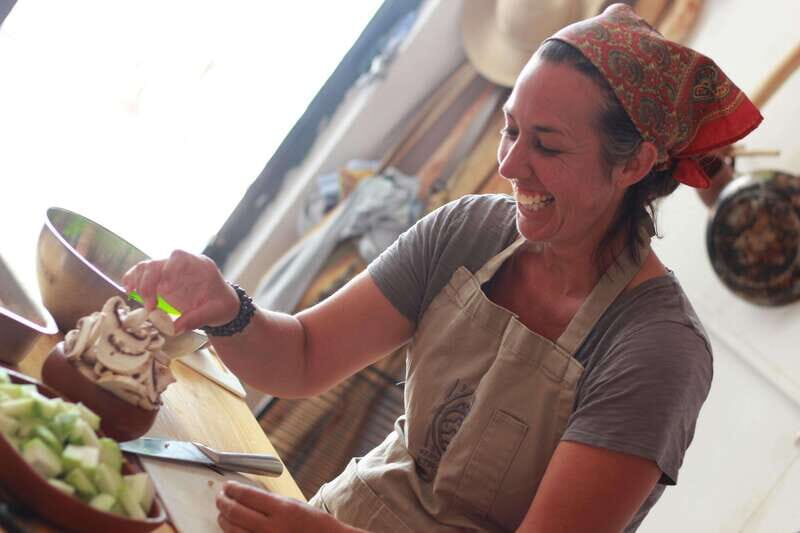
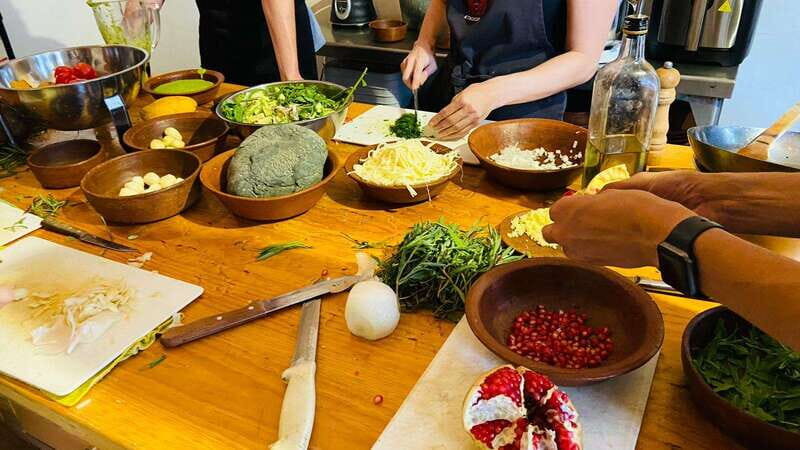
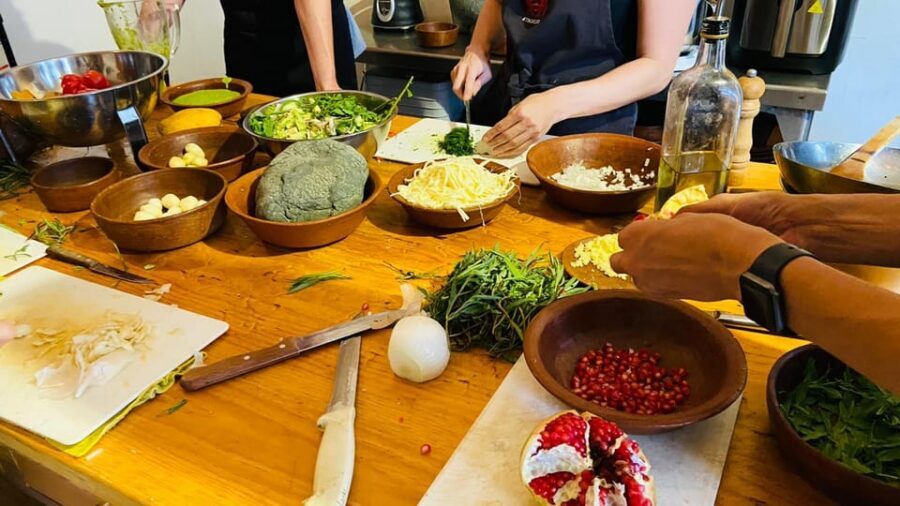
Once you’re back in the kitchen, the focus shifts to making Oaxacan mole using authentic methods, with real-time feedback from the chef. Mole is one of those dishes that looks intimidating from far away, but in a good class it becomes a series of manageable steps. This workshop leans hard into that style: chopping, frying, mixing, and adjusting as you go.
You’ll learn about flavors and techniques, plus the history and culture behind Oaxacan mole. Several people specifically mention learning about chiles, cacao/chocolate connections, and how different ingredients work together. One reviewer also described the class as involving tasks distributed so everyone stays busy—this helps the mole process feel learnable instead of chaotic.
Here’s the practical note you should keep in mind: mole styles can vary by session. One person felt the class focused on a green mole approach and used a blender at points, which meant less time spent on the darkest, most labor-heavy mole style they expected. That doesn’t mean the food is bad—it means you should come ready to learn a working mole method that the kitchen uses, not only the “perfect dark mole” version from a cooking showdown.
No matter what specific mole variation you get, the value is in the method. By the end, you taste your finished mole, which is the fastest way to understand whether your balance of chile, sweetness, and savory depth is heading in the right direction.
More than mole: salsas, sauces, tortillas, and quesadillas
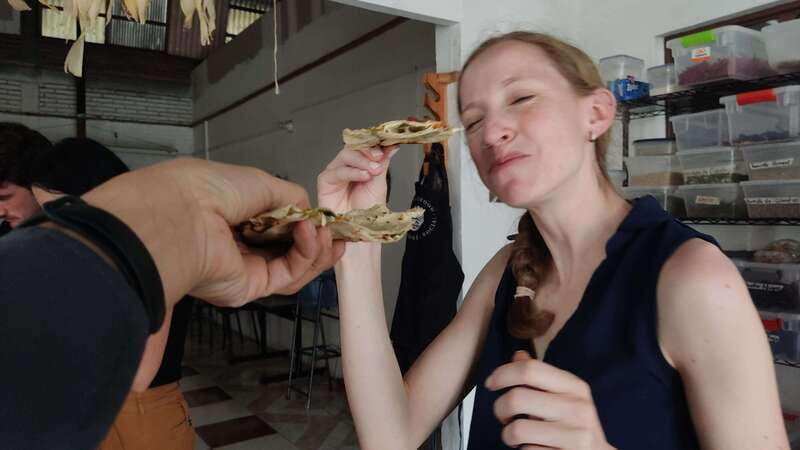
Even if the headline is mole, you’ll likely leave with a whole toolkit of Oaxacan flavors. The class description promises you’ll learn to make various Oaxacan sauces with chilies and regional products. And from firsthand accounts, that often includes items like salsa, guacamole, pico de gallo, and other sauce-and-fresh-component pairings.
On the hands-on side, tortillas and quesadillas are a big deal. Multiple people mention pressing or making tortillas and assembling quesadillas from scratch. That’s not just fun—it’s crucial. When you make masa-based items yourself, you understand how texture changes mouthfeel and how mole behaves next to something plain and comforting.
One extra detail I like: the workshop doesn’t treat these dishes as separate hobbies. The kitchen work is connected to the mole. You learn how to prep components so they work together on the plate, instead of feeling like you made five unrelated snacks.
The kitchen experience: pacing, group work, and real guidance
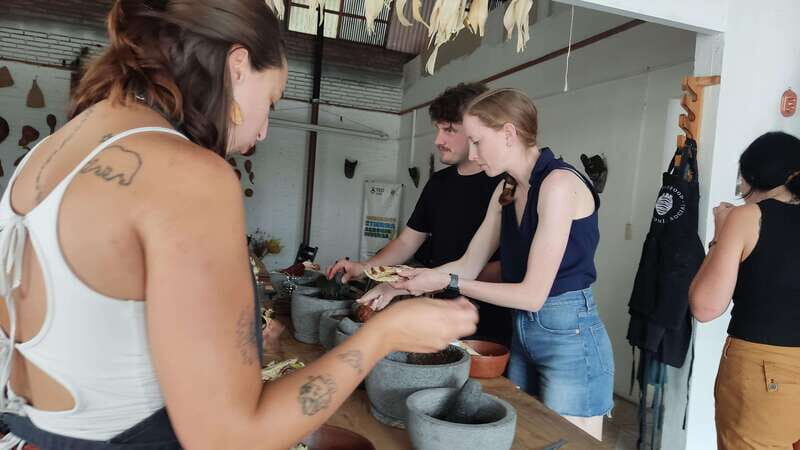
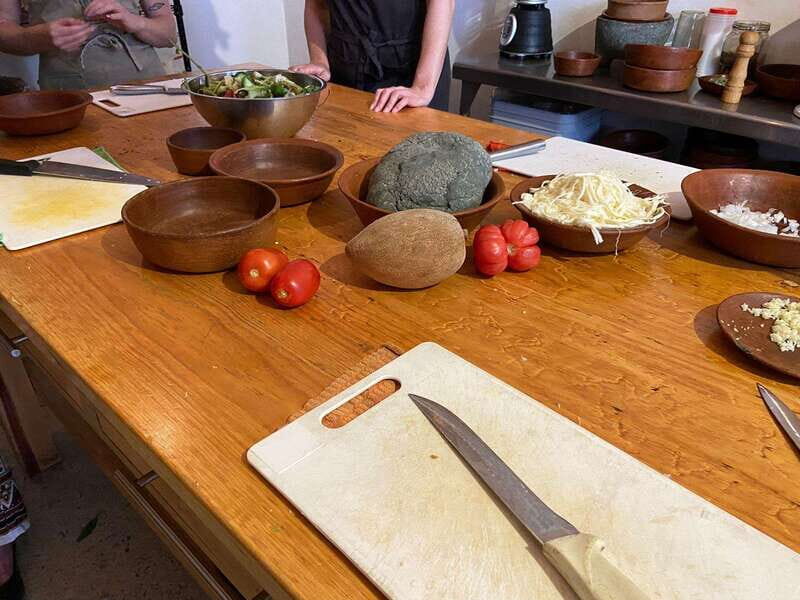
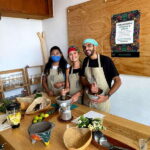
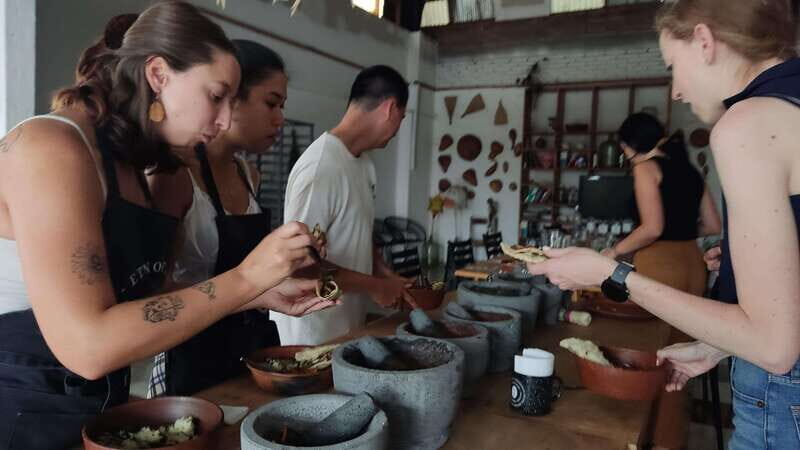
The workshop is described as a hands-on cooking class with assistance from an experienced chef throughout. In practice, that usually means you’ll chop, mix, fry, and cook rather than just watch someone else do the heavy lifting. People consistently mention being kept engaged and having time to ask questions.
Because groups are small, tasks can be assigned so you’re not stuck waiting for your turn. One reviewer mentioned that the instructor made sure everyone was included by assigning tasks and checking in with questions in real time. That kind of attention is what turns a cooking class from entertainment into actual skill-building.
The kitchen itself is described as clean and modern in at least one account. That’s a practical advantage: you get to focus on technique instead of battling cramped space or chaotic equipment.
And yes, you might use modern tools like a blender, depending on the step and the specific mole being prepared. If that concerns you, it’s worth coming in curious rather than expecting a single sacred workflow for every mole in Oaxaca.


What you eat: main dishes, dessert, and mezcal pairing
At the end of the class, you taste the mole you prepared. The workshop also includes pairing your mole with an exquisite main course and a typical Oaxacan dessert. So you’re not leaving with only a sauce and a vague memory—you’re eating a full meal made from the ingredients you bought.
There’s also a drink component. Adults (18 and over) get mezcal to accompany the mole. If you’re under 18, or you’d rather not drink alcohol, you still get seasonal fruit-flavored water as part of the included items. The class also notes that alcohol and drugs aren’t allowed, which you should interpret as no outside alcohol brought into the experience; mezcal is what’s provided for the adult pairing.
This matters for comfort and planning. You don’t need to bring extra cash for drinks beyond what’s optional. You also don’t have to wonder whether you’ll be hungry after a market walk plus 3.5 hours of cooking work.
Why the Zapotec story behind mole actually helps
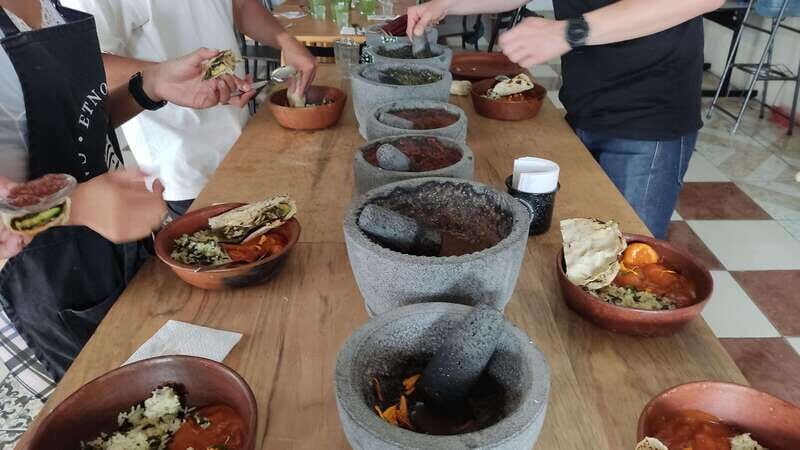
If you love food history, you’ll get it here—but in a useful way. The workshop includes information on the history and culture of Oaxacan mole, and guides connect ingredients to Zapotec traditions and local values. People mention stories about naming and significance, plus personal ties such as stories shared by chefs and family members.
One review even highlighted the theme of sharing from a Zapotec value perspective—food becomes a social language, not just a dish. That might sound sentimental, but it changes the feel of your meal. When you understand why a community cooks this way, you stop treating mole as a tourist trophy and start treating it as living culture.
And there’s a second benefit: learning the culture helps you cook better. When you understand that certain ingredients are chosen for reasons beyond flavor (availability, tradition, regional identity), you make smarter substitutions if you cook at home later.
Price and value: is $64 worth 3.5 hours?
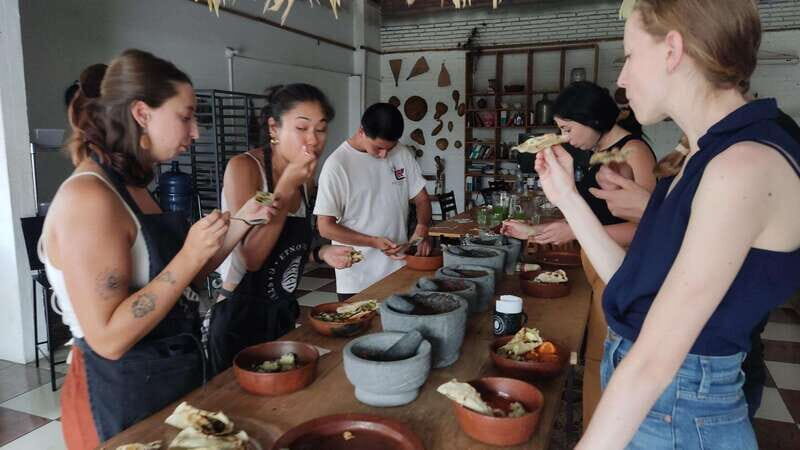
At $64 per person for about 3.5 hours, you’re paying for several things at once: fresh ingredients for mole, all utensils and tools, guided instruction from a chef, the market tour ingredient sourcing, and a meal-style tasting at the end. Add in a typical Oaxacan dessert and a mezcal pairing for adults, and the cost starts looking less like a “class fee” and more like a guided food day.
The biggest value lever is the small group size (limited to 4). In a larger class, you can spend half your time waiting. Here, you’re more likely to actually touch the food and learn the steps.
One cost you should plan for: transportation to and from the venue isn’t included. Since the meeting point is only about five blocks from the Zócalo, it’s usually manageable to walk or use a short ride, but factor it into your budget.
My take: if your idea of a good Oaxaca day includes both cooking and context, this price is in the fair zone. If you only want a quick mole taste with zero ingredient work, you may feel it’s more effort than you wanted.
Who this workshop suits best (and who might want a different class)
This is a strong fit if you:
- like market shopping as part of the food experience
- want hands-on practice with mole, salsas, and tortillas
- enjoy learning the story behind what you’re eating
- can handle a moderate walk and lots of standing
It’s not a great fit if you have back problems or low fitness, since the walk to the market is part of the session. It also isn’t suitable for children under 10.
If you’re an advanced home cook and you’re expecting a single, ultra-traditional dark mole workflow with zero modern equipment, you might be slightly disappointed. One account specifically wished for a more complex darker mole process. Still, you’ll likely learn a clear, workable approach that you can repeat at home.
Quick advice to get the most out of your 3.5 hours
A few practical moves will make the day smoother.
- Wear sturdy, comfortable shoes for the market walk.
- Go in hungry. The session ends with a full meal experience, not just bites.
- Ask questions early. Mole timing and spice balance are easier to correct when you’re in the kitchen with the chef.
- Take notes on ingredients. Several guides focus on why certain chiles and produce matter, and that’s the stuff you’ll want later.
Also, if you care about learning a specific style of mole, it’s reasonable to ask what variation you’ll make. The workshop description frames it as Oaxacan mole, but mole can take different routes depending on the session and local ingredient choices.
Should you book it?
I think you should book this workshop if you want a genuine Oaxaca food day: market sourcing, hands-on cooking, and a meal that explains itself. The small-group format and consistent praise for chefs like Victor Ramirez and the way guides teach mole skills are big reasons. You’ll also appreciate the cultural context tied to Zapotec traditions, not just the how-to.
Skip it or pick another option if you can’t handle walking and standing, or if you’re expecting a very specific dark-mole, no-modern-tools experience only. For most people, though, this is one of the better “learn by doing” ways to understand why mole is such a big deal in Oaxaca.
FAQ
How long is the Oaxacan mole workshop?
It runs for about 3.5 hours.
Where do I meet for the class?
Meet at Xicotencatl Street 609, Downtown District. It’s about five blocks from the City Zócalo. Look for a Foodlab with the sign FILOTEO outside and a large dog on the facade.
Is this a hands-on cooking class or just a tasting?
It’s hands-on. You shop at a market for ingredients and then cook in the kitchen with assistance from the chef.
Does the class include a market tour?
Yes. You’ll walk to the market to buy the key ingredients for the mole.
What exactly do I learn besides mole?
You learn about mole and also make Oaxacan sauces with chilies and regional products. Many sessions also include items like salsa/guacamole and tortilla or quesadilla making.
Is mezcal included?
Yes, mezcal is included for the mole pairing for adults age 18 and above.
What languages are offered?
The live guide is available in English and Spanish.
What should I bring?
Wear comfortable shoes.
Is it suitable for children?
No. It isn’t suitable for children under 10 years, and it may not be a good fit for people with back problems or low fitness due to the market walk.