REVIEW · OAXACA DE JUAREZ
Oaxaca Walking Tour with a Local Guide: Pre-Hispanic Cultures and Heritage
Book on GetYourGuide →Operated by Free Tour Europe · Bookable on GetYourGuide
Oaxaca reveals itself in stone. I like how this 2-hour historic-center walking tour turns everyday streets into a clear story, starting at the big Templo de Santo Domingo de Guzmán and moving block by block through symbols, squares, and architecture.
I love that the guide uses an historian’s lens to connect Zapotec and Mixtec heritage to what you see in modern Oaxaca, with explanations that stay grounded in real places. One possible drawback: many stops are exterior-only, so you’ll get the meaning from the outside, not the full museum experience inside.
In This Review
- Key highlights worth showing up for
- Entering Oaxaca’s story at Templo de Santo Domingo
- Jardín Etnobotánico: plants, medicine, and ritual meaning
- Pre-Hispanic and modern Oaxaca through museum exteriors
- San Pablo and other cultural landmarks: why religion shaped the city
- Museums and art stops that connect handcraft to identity
- Theater, plazas, and the social life of culture
- More temples: San Felipe Neri, La Compañía de Jesús, and Carmen Alto
- Finishing in the Zócalo: tying pre-Hispanic, colonial, and modern together
- Price and value: $24 for 2 hours with an expert historian
- Language, pacing, and what to bring for the best experience
- Who should book this Oaxaca historian-led walk
- Should you book this Oaxaca walking tour?
- FAQ
- How long is the Oaxaca walking tour?
- Where does the tour meet?
- What does the tour cost?
- Is the tour in English?
- Do we go inside churches and museums?
- Which places does the tour include?
- Can I cancel and get a refund?
Key highlights worth showing up for
- A historian guide focused on Zapotec and Mixtec cultures plus the colonial era
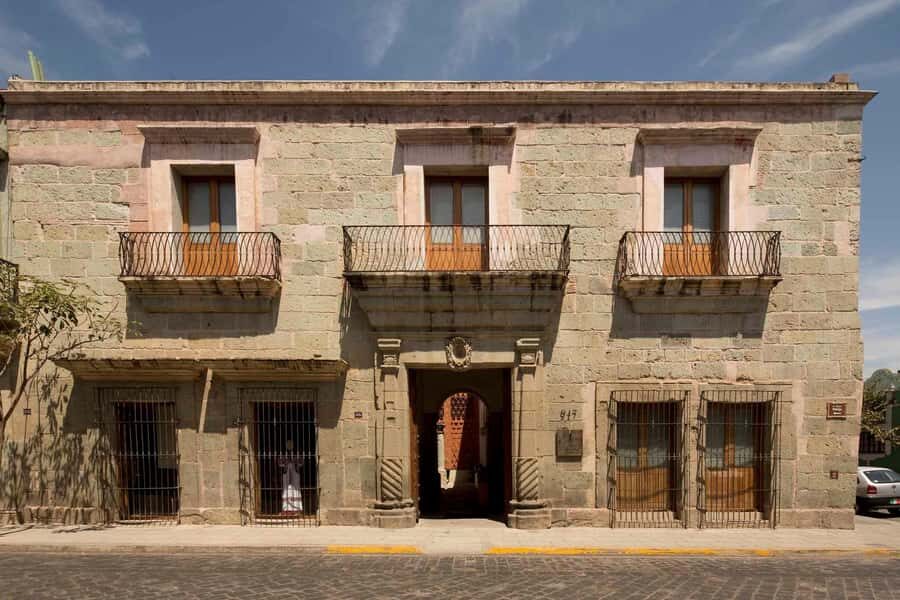
- Architecture as a timeline, with symbols explained on temples, facades, and cloisters
- Lots of stops in 2 hours, with guided moments at each key plaza and building
- Art and social change, linking painting, museums, and political life through the centuries
- Urban life viewpoint, ending in the Zócalo with a big-picture recap
Entering Oaxaca’s story at Templo de Santo Domingo
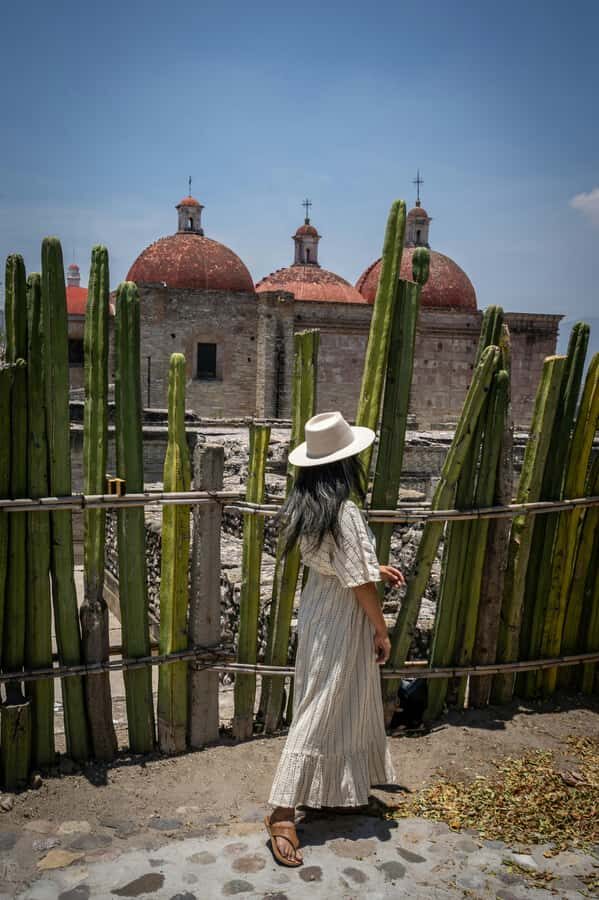
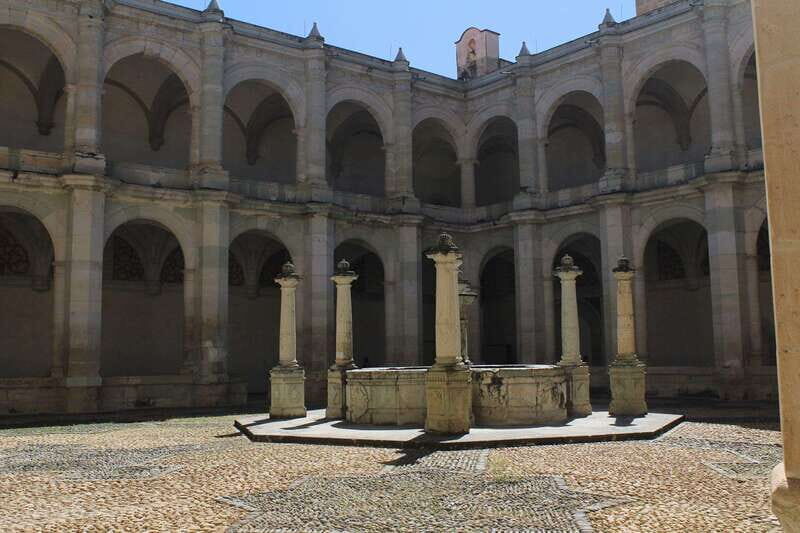
The tour begins in front of the main gate of the Templo de Santo Domingo de Guzmán, where your guide is holding a red umbrella. That is a smart start point because this church and ex-convent complex sets the tone for what’s coming: power, religion, and education all written in stone.
From the outside, you’ll look at the imposing Baroque façade and the exterior cloisters. The guide frames what Dominican influence meant in Oaxaca since the 16th century, and that context makes the rest of the walk easier to follow. Instead of treating buildings like backdrops, you start reading them like historical documents.
If you’ve visited other Mexican cities, you’ll recognize the pattern, but here the focus is specifically on Oaxaca’s layers: pre-Hispanic roots that still echo under colonial forms. That perspective is part of the value of this tour—less sightseeing, more understanding.
If you're still narrowing it down, here are other tours in Oaxaca De Juarez we've reviewed.

Jardín Etnobotánico: plants, medicine, and ritual meaning
Next comes the Ethnobotanical Garden of Oaxaca, a short guided walk that’s built around the idea that plants are part of culture, not just nature. Even without museum-style entrances, you get guided interpretation: how local peoples used flora for medicinal purposes, rituals, and symbolism.
This stop is especially helpful if you want Oaxaca beyond crafts and food. The guide’s explanations connect tradition to daily life and belief systems, so you start seeing how “heritage” isn’t locked in the past. It’s still a living way of thinking about the land and the body.
A practical note: since it’s outdoors, dress for weather and wear comfortable shoes. You’re moving through historic streets all day, so you’ll appreciate the short garden segment as a calmer reset before the harder urban blocks.
Pre-Hispanic and modern Oaxaca through museum exteriors
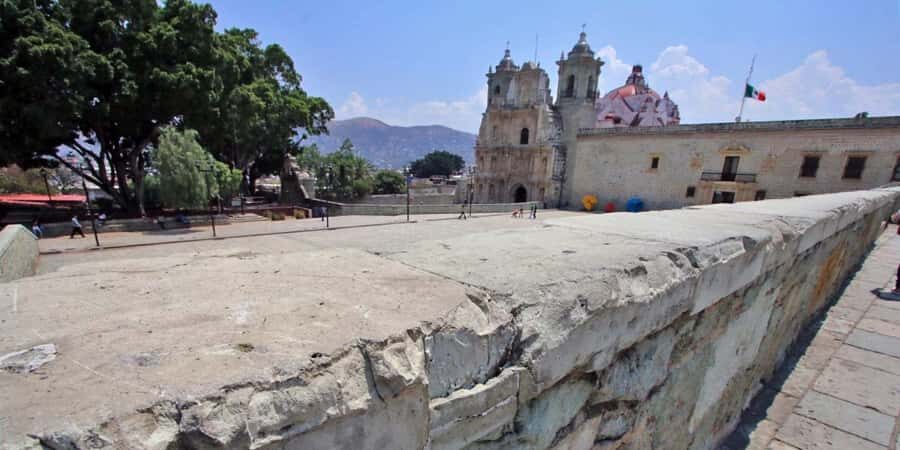
After Santo Domingo and the garden, the tour shifts toward museums—but with a clear twist. Most museums on this route are treated as exterior “windows” into history, so you’ll spend more time learning than standing in line.
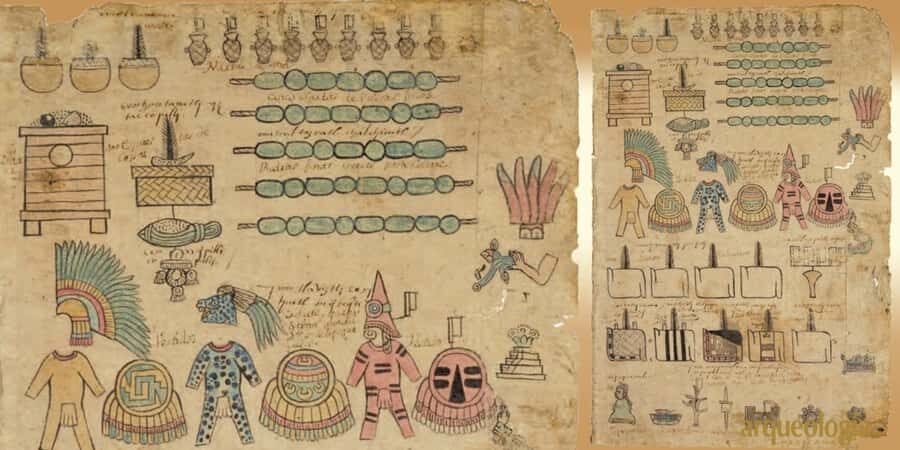
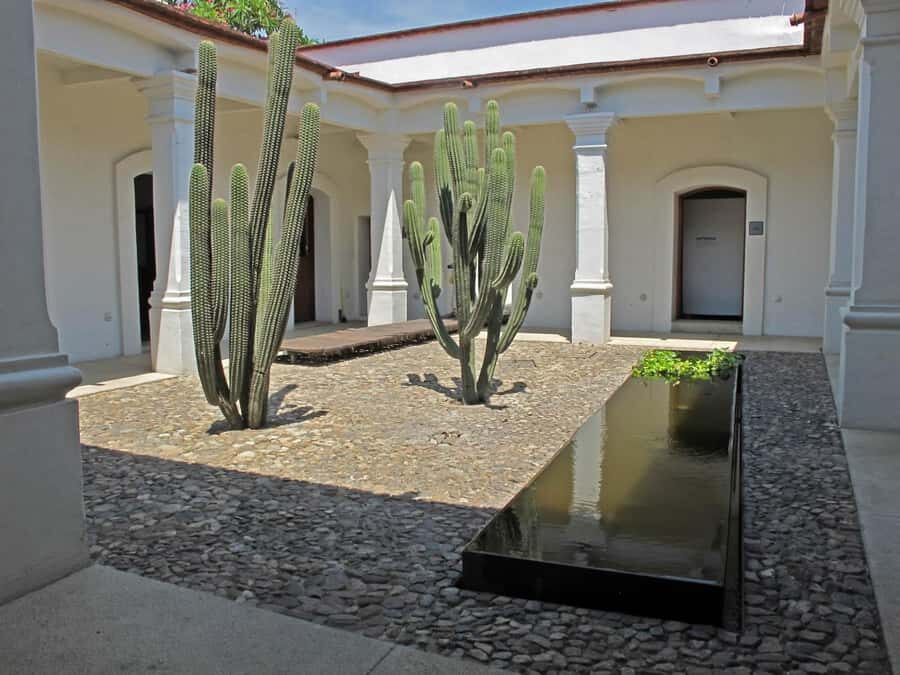
You’ll pass the Museum of Pre-Hispanic Art of Oaxaca (MAPO), and the guide uses the building’s outward presence to talk about social organization and cultural identity. You’ll also see the Philatelic Museum (MUFI) from the outside while connecting communication and modernization to Oaxaca’s broader story in the 20th century.
That approach can work really well if you like context. Instead of trying to see everything inside, you get the themes first: how Zapotec and Mixtec life shaped the region, and how later periods changed what people recorded, built, and valued. If you’re the type who likes to know what you’re looking at before you look deeper, this structure fits your style.
The trade-off is obvious: exterior-only means you won’t see the full collections. If you love museum time and want to sit with objects, you’ll likely want to come back later for interior visits.
San Pablo and other cultural landmarks: why religion shaped the city
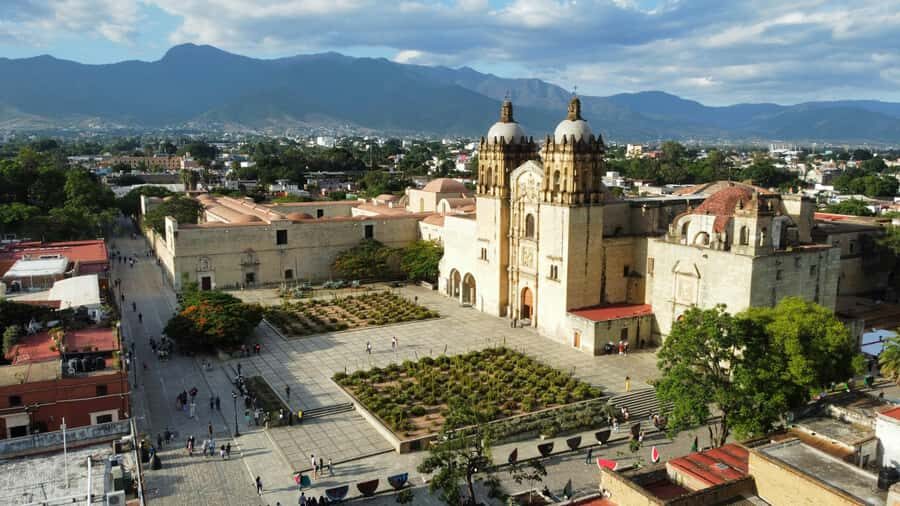
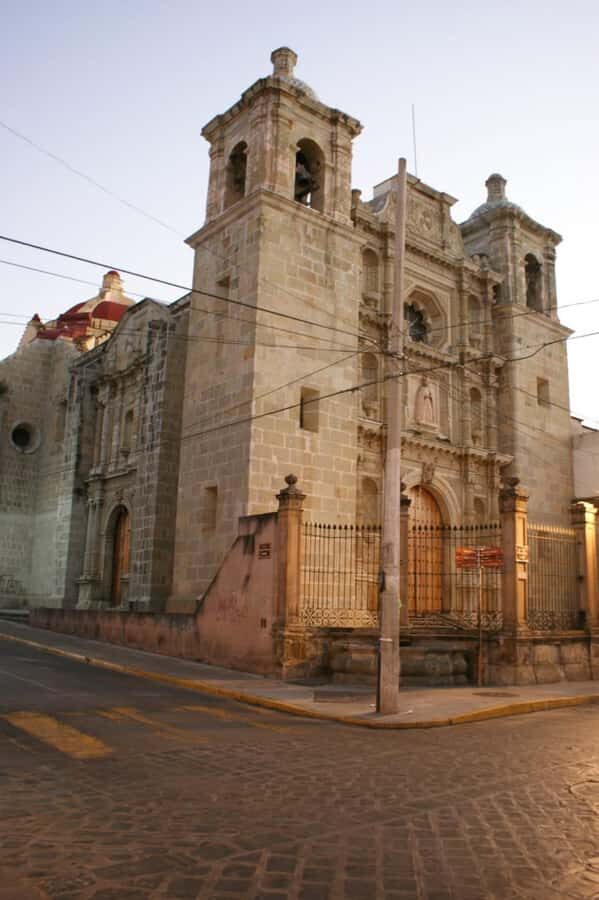
Mid-tour, you’ll move through major church and cultural sites, including the Church of San Felipe Neri, the Centro Cultural San Pablo, and the Church and Convent of La Merced. The guide connects what you see on façades and cloisters to the way religious institutions influenced community life.
This is where architecture becomes more than pretty stone. The guide explains how religious, artistic, and political forces intersected over time—so the churches aren’t only about worship. They become meeting points, power centers, and symbols of shifting eras.
You’ll also pass the Museum of Oaxacan Painters (MUPO). From the outside, it’s framed as part of how art and heritage conservation reflect political and social change across centuries. Even when you’re not inside, you start noticing patterns: which styles get emphasized, what gets preserved, and how the city chooses to present its identity.
If you get bored on tours that recite dates, you’ll likely enjoy this segment more. It’s more about interpreting meaning—how and why a city built the way it did.
Museums and art stops that connect handcraft to identity
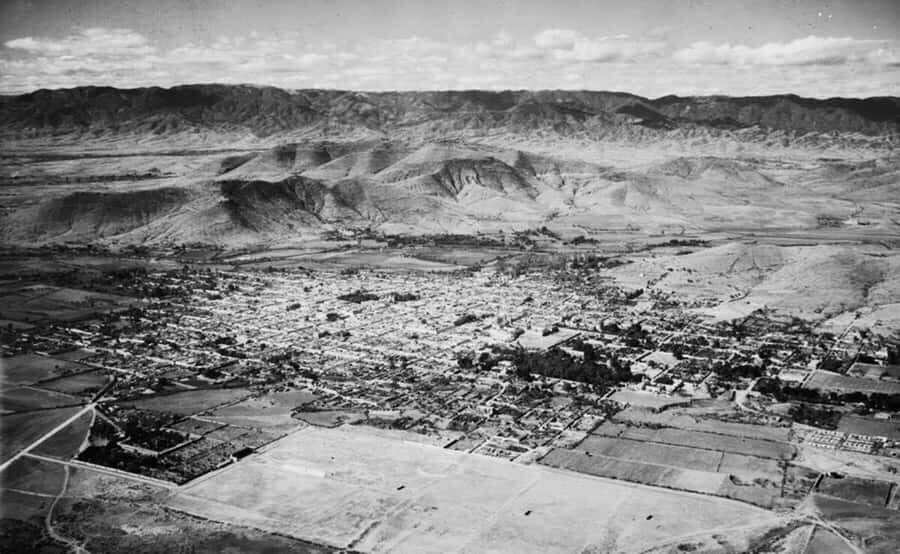
Oaxaca’s reputation for textiles and crafts is real, and this tour helps you understand why. You’ll pass the Museum of Textile Oaxaca from the outside, with commentary on textile and artisanal legacies and how they tie into economic and social life.
That matters because it stops the conversation from being only “buy this beautiful thing.” The guide frames production and tradition as part of Oaxaca’s identity, shaped by history and everyday needs. You’ll walk away with a better sense of what you’re seeing in markets and workshops afterward.
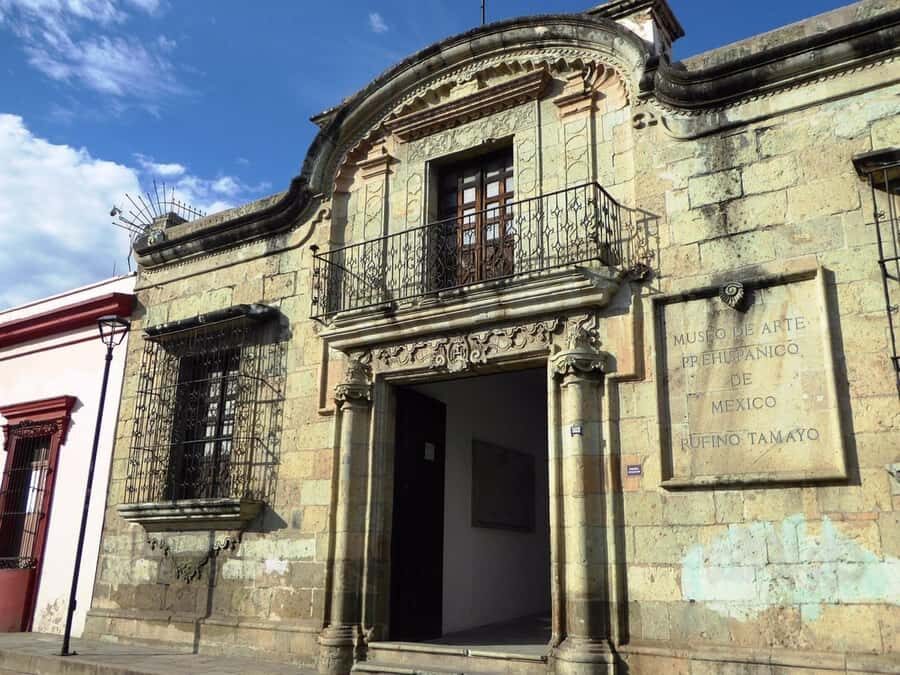
You’ll also encounter museum stops like the Museo de Arte Prehispánico de México Rufino Tamayo (again, mostly exterior viewing). Even from outside, the guide points out how the city’s artistic choices link pre-Hispanic roots to later cultural movements. It’s a helpful bridge from the deep past to the modern art world.




Theater, plazas, and the social life of culture
Not all history in Oaxaca is carved into churches. The tour also highlights spaces where people gather—especially the Macedonio Alcalá Theater. You’ll view it from the outside while the guide explains its architectural history and its cultural importance since the 19th century.
This is a key moment for understanding Oaxaca as a living city. A theater isn’t just a building; it’s where debates, performances, and public emotion take shape. When you pair that with the tour’s focus on plazas—like Plaza de la Danza—you start seeing why culture happens in public space.
As you walk, the guide keeps connecting stone and streets to real social behavior: who met where, what events brought people together, and how the city’s identity formed in public. That’s the kind of storytelling that sticks, because it gives you a mental map of how the city breathes.
More temples: San Felipe Neri, La Compañía de Jesús, and Carmen Alto
In the historic center, you’ll keep seeing different religious styles and different missions in how they present themselves. The tour includes stops such as the Templo de la Compañía de Jesús (La Compañía de Jesús) and the Templo del Carmen Alto, plus Basílica de Nuestra Señora de la Soledad.
From an interpretation standpoint, this is valuable because the guide doesn’t treat each stop as separate. Instead, you get a sense of how multiple religious traditions coexisted and left their marks—sometimes harmonizing, sometimes reflecting competing eras and priorities.
Even if you’ve seen other colonial-era churches, this kind of guided comparison changes your experience. You notice details: façade choices, symbolic elements, and how architecture signals authority. It also helps you avoid the common tourist trap of snapping pictures without context.
Finishing in the Zócalo: tying pre-Hispanic, colonial, and modern together
The walk ends in the Zócalo de la Ciudad de Oaxaca, which is the perfect place to close because it’s the city’s center of gravity. The guide recaps Oaxaca’s narrative as a living space—something that preserves pre-Hispanic, colonial, and modern roots at the same time.
This recap is where the tour’s academic angle pays off. By the end, you should feel like the center is more than a string of monuments. You’ll understand the relationships: how older traditions survive under new forms, and how modern city life keeps rewriting the meaning of old spaces.
If you still want more after the tour, the ending helps you choose your next step. You’ll know what to pay attention to as you wander on your own—textures, symbols, and the “why” behind the major landmarks.
Price and value: $24 for 2 hours with an expert historian
At $24 per person for 2 hours, the value comes from the guide’s focus and structure. You’re paying for interpretation—especially the kind that connects Zapotec and Mixtec heritage with colonial influence and then extends the story into modern Oaxaca up to the 21st century.
You also get something you can’t easily DIY if you don’t already know what to look for: symbol-by-symbol architectural reading. Plus, the tour offers recommendations for continuing with a cultural focus, which turns the walking tour into a planning tool, not just entertainment.
Where you might feel the price less “worth it” is if you mainly want museum entry tickets. This experience is framed as exterior viewing at most museums and temples, with a guided outdoor garden segment. If your ideal Oaxaca day is inside collections for hours, you’ll likely pair this with at least one follow-up museum visit.
Language, pacing, and what to bring for the best experience
The tour is led live in Spanish. Some content may appear in its original language, so if you’re not comfortable in Spanish, you might miss a few nuances. Still, the architecture-focused explanations can be easy to track even with basic language skills.
Because you cover many stops in just two hours, you’ll want to be ready for short walking segments and quick guided stops. Comfortable shoes are a must, and it helps to bring water, especially if you’re walking in warm weather.
Also, plan your day so you can absorb the Zócalo finale. This tour is the kind that makes you see the city differently, so don’t schedule it back-to-back with another rushed activity that leaves no time to wander.
Who should book this Oaxaca historian-led walk
This tour is a great fit if you want to understand Oaxaca, not just photograph it. I’d book it if you enjoy city walking tours that teach you how to read architecture, and if you like culture explained through real places—temples, plazas, and museum façades.
It’s also ideal if you’re curious about how pre-Hispanic traditions connect to colonial changes and then to the present. If textiles, art, and public spaces matter to you, the route supports that interest with guided interpretation at multiple stops.
If you’re the type who only wants interior museum time, you might find this too exterior-focused. But if you view it as orientation plus storytelling—then you’re smart to pair it with later museum visits.
Should you book this Oaxaca walking tour?
Yes, if your goal is to leave the historic center understanding how Oaxaca “reads” as a story. For $24, you get a historian-led walking route that connects Zapotec and Mixtec heritage with colonial-era architecture, public culture, and modern identity—ending at the Zócalo with a recap that helps you keep exploring.
I’d skip or rethink it if you mainly want hands-on museum time inside buildings. This one is about what you can see and understand from the outside, plus an outdoors garden stop—so plan for follow-up visits if you’re a deep museum person.
FAQ
How long is the Oaxaca walking tour?
The tour lasts 2 hours.
Where does the tour meet?
You meet in front of the main gate of the Templo de Santo Domingo de Guzmán, and your guide will be holding a red umbrella.
What does the tour cost?
The price is $24 per person.
Is the tour in English?
The live guide speaks Spanish. Some content may be shown in its original language.
Do we go inside churches and museums?
Most stops are exterior only (including temples and museums). The tour focuses on what you can see outside while learning the meaning and symbolism.
Which places does the tour include?
The route includes places such as the Jardín Etnobotánico de Oaxaca, MAPO, the Philatelic Museum (MUFI), Centro Cultural San Pablo, Museo Textil de Oaxaca, MUPO, and several churches including San Felipe Neri, La Merced, and Basílica de Nuestra Señora de la Soledad, finishing at the Zócalo.
Can I cancel and get a refund?
Yes. You can cancel up to 24 hours in advance for a full refund.