REVIEW · OAXACA CITY
Oaxaca: Beyond the surface
Book on Viator →Operated by Oaxaca by locals · Bookable on Viator
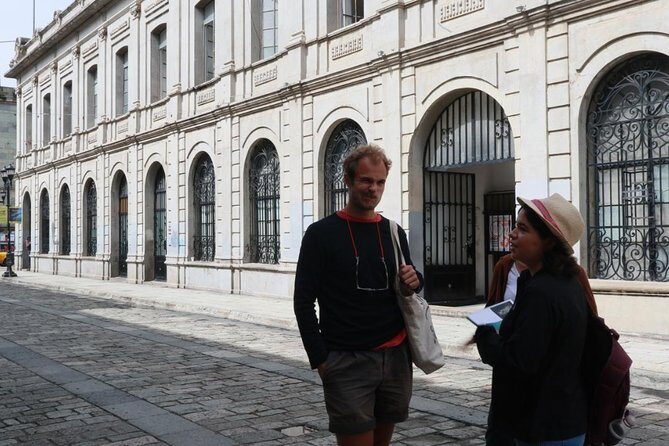
Oaxaca City clicks when you follow it on foot. I like how this tour links the big church stops to real neighborhood stories, and I love the way Itzel keeps the whole walk clear and easy to follow in English. One thing to plan for: you’ll be outside for much of the route, so weather matters.
It’s also the kind of small-group outing that makes questions feel welcome, not rushed. You’ll cover major landmarks, then end in the heart of town with a better sense of what you’re actually looking at.
In This Review
- Key Highlights You’ll Actually Feel
- Where This Walk Fits in Your Oaxaca Trip
- Meeting Point and How the Tour Moves Through the Center
- Cathedral of Our Lady of the Assumption: More Than a Photo Stop
- Templo de Santo Domingo de Guzmán: Focus on Church Design and Story
- Basilica de Nuestra Senora de la Soledad: A Quick Stop That Adds Meaning
- Teatro Macedonio de Alcala: History You Can Feel in the Street
- Plaza Cruz de Piedra: The Small Place With a Big Story
- Museo Textil de Oaxaca: A Craft Stop That Changes How You See the City
- Zócalo: The Ending Stop That Helps You Navigate Everything Next
- Why Itzel’s Style Matters (and How It Helps You)
- Price and Value: What $25 Buys You in Oaxaca City
- Who This Tour Is Best For
- Before You Go: Simple Tips That Make It Better
- Should You Book Oaxaca: Beyond the Surface?
- FAQ
- How long is the Oaxaca City tour?
- What time does the tour start?
- What language is the tour offered in?
- Where do I meet the tour?
- Is the ticket mobile?
- How many people are in a group?
- What happens if poor weather causes a cancellation?
Key Highlights You’ll Actually Feel
- Small group (max 12) keeps the pace human and makes Q&A realistic
- English guided with a local voice, not generic museum talk
- Churches plus city life: legends, architecture, and how people read power in Oaxaca
- Short stops, clear focus so you see more than you just pass by
- Textile Museum stop gives you a practical bridge from Catholic landmarks to craft culture
- Zócalo at the end so you finish with a simple place to orient yourself
Where This Walk Fits in Your Oaxaca Trip
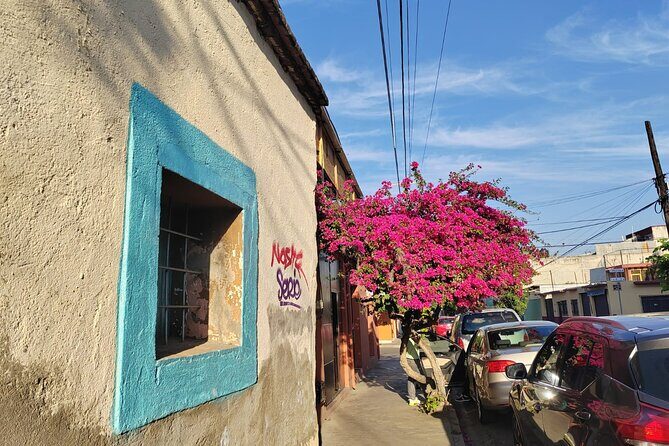
If this is your first time in Oaxaca City, the biggest challenge is often figuring out the city’s “map in your head.” Streets look pretty, but they don’t automatically explain themselves. This tour helps with that fast.
The route is built around central sights that most people come to anyway: a cluster of famous churches, the historic theater area, then the Plaza Cruz de Piedra, a textile museum stop, and finally the Zócalo. In about 2 hours 30 minutes, you get a guided thread through the center instead of a list of stops. That’s the real value: you leave knowing what matters and why, not just where things are.
With a start time of 10:00 am and a meeting point at Oaxaca by locals on Ruta Independencia (Centro), it also works well as a first-day activity. You’ll be able to use the Zócalo as your anchor afterward for wandering on your own.
If you're still narrowing it down, here are other tours in Oaxaca City we've reviewed.


Meeting Point and How the Tour Moves Through the Center
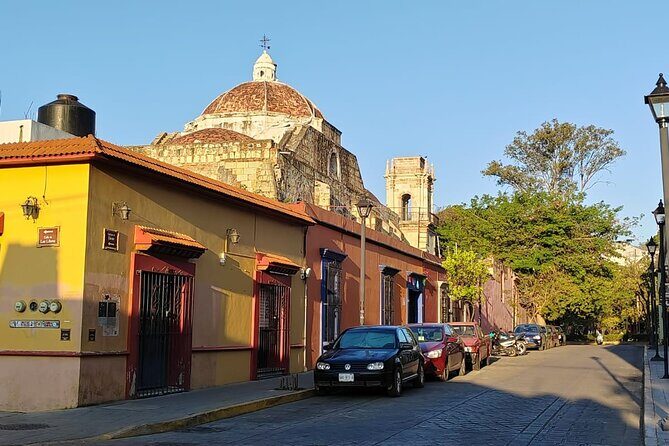
You’ll meet in Centro at Oaxaca by locals (Cosijoeza 110A, Ruta Independencia, Oaxaca de Juárez). The tour ends back at the same meeting point, which is handy if you’re planning lunch, shopping, or a second museum visit right after.
The group size is capped at 12, and that matters more than you might think. In a big crowd, you get the “look but don’t ask” version of sightseeing. Here, the small size makes it easier to ask follow-up questions—especially when the guide starts tying stories to the current feel of the city.
Also: the tour is offered in English, and the confirmation happens at booking. There’s a mobile ticket, so you’re not hunting for paper. And it’s marked as near public transportation, so you’re not stuck if you’re coming from elsewhere in town.
Cathedral of Our Lady of the Assumption: More Than a Photo Stop
The walk starts with the Cathedral of Our Lady of the Assumption. This is one of those buildings you already recognize when you spot it, but the value comes from what you’re taught to notice next.
You’ll get the basic lay of the land—what the church is, why it’s important locally, and the kind of stories that have grown up around it. These aren’t just “history as homework.” They help you read the symbolism in the architecture and understand why this kind of landmark held so much meaning for generations.
The practical benefit: a guided start gives you confidence. After this first stop, the rest of the route feels more connected. Instead of wondering what you’re looking at, you’ll have hooks—names, themes, and reasons—to hang details on.
Time on this stop is about 30 minutes, which is long enough to get the story and still move at a reasonable pace.
Templo de Santo Domingo de Guzmán: Focus on Church Design and Story
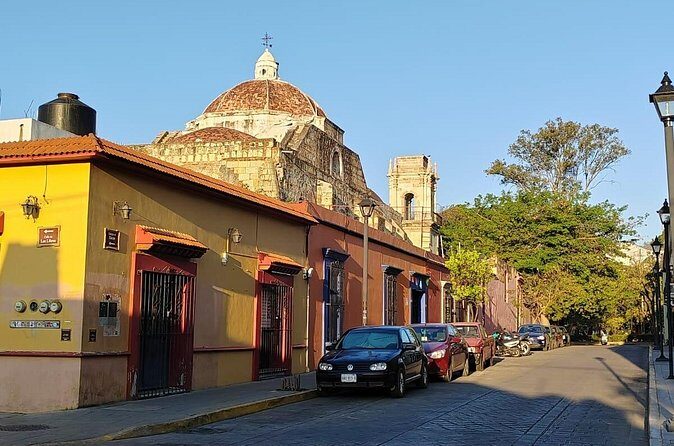
Next up is the Templo de Santo Domingo de Guzmán, another free-admission church stop. This one is shorter—about 20 minutes—but it’s not a rushed glance.
What I like about this kind of second church stop is that it lets you compare. You’re not just absorbing one building; you’re learning how Oaxaca’s religious architecture and local storytelling work across multiple sites. By the time you reach Santo Domingo de Guzmán, you’ll understand what to look for.
A useful consideration here: churches are active spaces in many places. Even on a walking tour, be respectful with noise and photography. You’ll get the most from the stop if you stay present rather than treating it as a checklist.
Basilica de Nuestra Senora de la Soledad: A Quick Stop That Adds Meaning
The Basilica de Nuestra Senora de la Soledad comes next for about 20 minutes. This stop is shorter, but it serves an important purpose in the flow of the tour: it keeps expanding the cultural map.
By now, you should be noticing patterns—how the guide links each site to stories, and how those stories reflect the city’s identity over time. The “Soledad” stop helps you understand that these landmarks aren’t isolated. They’re part of a bigger social and spiritual geography.
If you’re the kind of traveler who likes context more than crowds, this section tends to work well. The stops are spaced so you get variety without getting tired.

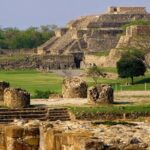




Teatro Macedonio de Alcala: History You Can Feel in the Street
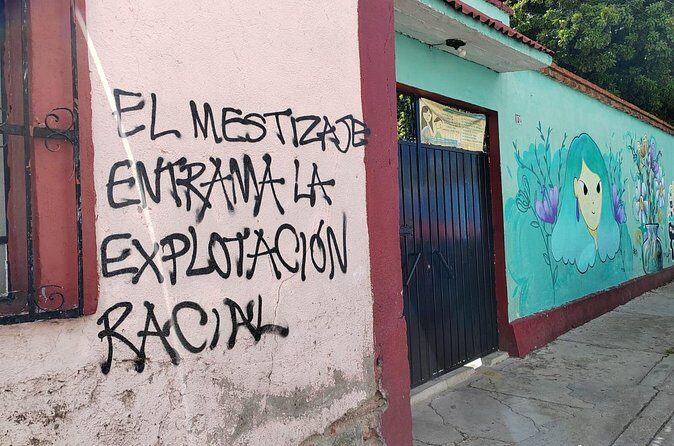
Then the tour shifts to Teatro Macedonio de Alcala. This is described with a graphic touch, and that tone matters. Instead of only talking about sacred sites, the guide brings in a different kind of public life—art, performance, and how a city expresses itself outside the church walls.
At about 20 minutes, the theater stop is designed to give you a mental model: Oaxaca’s public spaces aren’t only for monuments. They’re stages for culture, and they reflect who had influence, money, and voice.
Practical tip: when you’re in the theater area, take a moment to look at the surrounding street and facades. The building isn’t the only thing worth seeing. The setting helps you understand why it’s part of the same central circuit as the churches and the square.
Plaza Cruz de Piedra: The Small Place With a Big Story
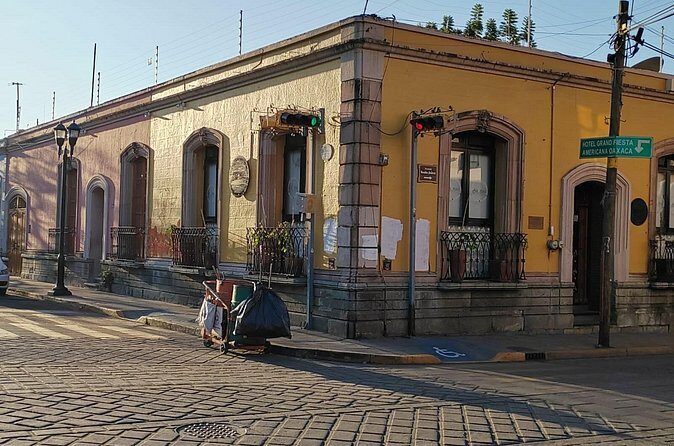
After the theater area, you’ll reach Plaza Cruz de Piedra for about 10 minutes. This is brief on purpose. Short stops can feel like filler on some tours, but here it works because it’s a quick history lesson that adds texture to the route.
This plaza stop helps you slow down and notice the in-between spaces that often get skipped by people who only chase the most famous facades. It also supports something important: it makes the city feel lived-in, not staged.
If you’re planning to explore later on your own, these “short and sharp” moments are what keep you from missing the smaller details.
Museo Textil de Oaxaca: A Craft Stop That Changes How You See the City
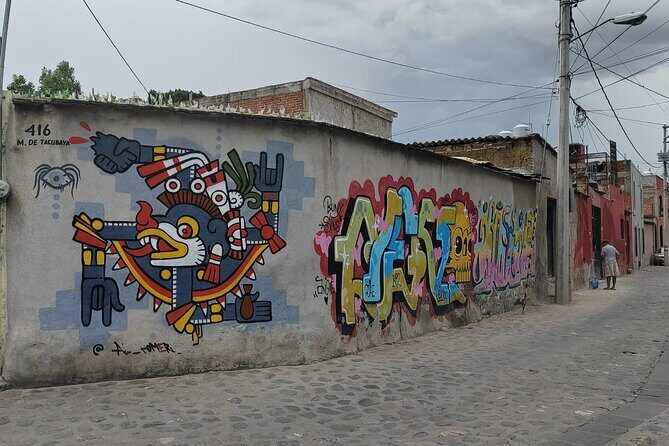
Then you hit the Museo Textil de Oaxaca for about 10 minutes. Even with limited time, a textile museum stop can do something powerful: it shifts your attention from stone and symbolism to everyday hands and materials.
The real value here is how it bridges cultures. After a string of churches and civic buildings, the textile museum adds a different kind of storytelling—one rooted in craft and cultural expression. It’s also a smart change of pace. Your eyes rest, and you get a new lens for thinking about Oaxaca beyond architecture.
Since the time is short, keep your expectations realistic. Don’t plan to read every label. Instead, aim to absorb the overall themes and a few key details that stand out.
Zócalo: The Ending Stop That Helps You Navigate Everything Next
The final major stop is the Zócalo for about 20 minutes. This is the heart of Oaxaca City, and finishing here is a smart move.
Why it works: by the time you reach the main square, you have context. You’ve already learned the stories behind major landmarks, seen how civic spaces connect to culture, and gotten a craft-focused moment that broadens the picture. So the Zócalo stops being just a central place to meet people. It becomes a reference point you understand.
Use this last segment to do two things:
- Take in the square as a whole, not just one corner.
- Make a note of where you want to go next, now that you can orient yourself better.
And then, since the tour ends back at the meeting point, you’re free to keep moving without needing to re-plan transportation.
Why Itzel’s Style Matters (and How It Helps You)
A standout detail in the experience is the guide. Itzel is local, speaks English well, and connects the dots between architecture, neighborhood culture, and even city-and-state politics. That combination is rare.
I like tours where the guide can answer the obvious questions quickly, but I also like the tours where the answers go broader—why something was built, what it meant, and what it still means. Itzel’s approach, from what you’re told to how she handles Q&A, supports that.
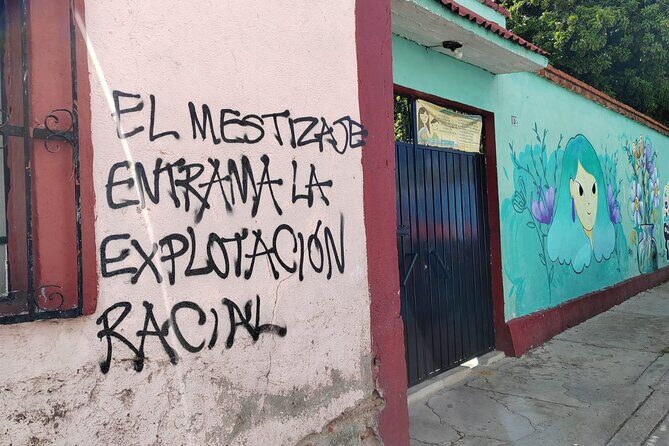
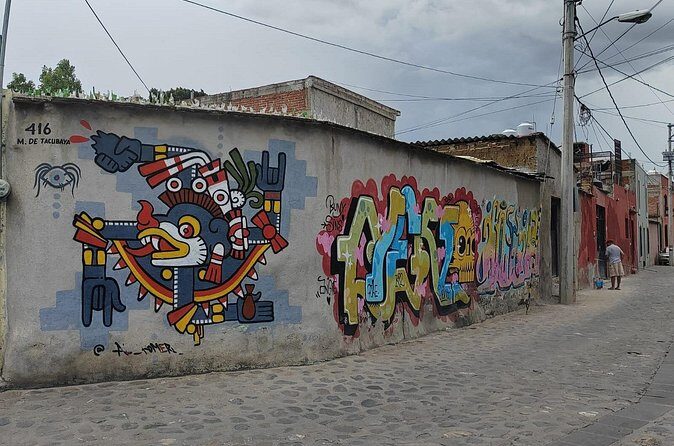
She also gives ideas beyond the official route—art galleries, street art, and places to eat. That kind of guidance is practical. It helps you spend your limited vacation time on the parts that fit your tastes instead of guessing.
Price and Value: What $25 Buys You in Oaxaca City
At $25.00 per person, this is a budget-friendly way to buy structure. You’re not paying for a long bus ride or a high-end venue. You’re paying for guidance, timing, and a small-group pace through key central sights.
Here’s how I think about value for tours like this:
- You save time because you’re getting context without doing research while walking.
- You avoid wandering aimlessly, which can happen easily in a dense historic center.
- You get a human translator of meaning, especially when the guide can connect landmarks to politics and culture.
Also, most stops are free admission, which keeps the cost from ballooning. The money goes to the guide experience, not to tickets and fees. That’s the kind of pricing I can get behind.
If you’re doing a tight schedule and want your first days to feel confident, this price point makes sense.
Who This Tour Is Best For
This tour is a good match if you:
- Want an English-friendly walking tour through Oaxaca City’s core
- Prefer small groups and real conversation
- Like cultural context, not just photos
- Plan to keep exploring right after and want the Zócalo to make sense
It may feel less ideal if you:
- Hate walking or need long seated breaks
- Want museum-style depth at every stop (this route is timed for breadth)
- Are sensitive to weather changes, since it depends on good conditions
The tour notes that most people can participate, which usually means the pace is moderate and manageable for a typical visitor. Still, bring your own comfort level into the decision.
Before You Go: Simple Tips That Make It Better
Because it’s a walking route through central Oaxaca, your success comes down to basics.
- Wear comfortable shoes you already trust.
- Bring water, and plan for sun or light rain since weather is part of the deal.
- Keep your phone charged for the mobile ticket and for photo moments.
- Arrive a few minutes early so the start at 10:00 am doesn’t feel rushed.
If you like asking questions, this is the kind of tour where you’ll get more back. The small group size makes it easier for the guide to respond without cutting you off.
Should You Book Oaxaca: Beyond the Surface?
Yes—if your goal is to understand Oaxaca City quickly and leave with direction. For $25 and around 2.5 hours, you get a concentrated route through the cathedral circuit, civic culture, a textile museum stop, and the Zócalo, all led by Itzel with strong English and a knack for connecting stories to how the city works.
Book it especially if you’re the type who wants more than a surface-level stroll. The tour’s structure helps you read the center, and the ending at the Zócalo gives you an easy place to build the rest of your day.
FAQ
How long is the Oaxaca City tour?
It runs about 2 hours 30 minutes.
What time does the tour start?
The start time is 10:00 am.
What language is the tour offered in?
The tour is offered in English.
Where do I meet the tour?
You meet at Oaxaca by locals, Cosijoeza 110A, Ruta Independencia, Centro, Oaxaca de Juárez, Oaxaca.
Is the ticket mobile?
Yes, it’s a mobile ticket.
How many people are in a group?
The tour has a maximum of 12 travelers.
What happens if poor weather causes a cancellation?
If it’s canceled due to poor weather, you’ll be offered a different date or a full refund.