REVIEW · OAXACA CITY
Oaxaca city bike ride – History & traditions
Book on Viator →Operated by Bike Flow Oaxaca · Bookable on Viator
Bike lanes and history mix well here.
This Oaxaca City bike ride is a smart way to see the Centro layout and learn what different neighborhoods mean, without spending a full day on foot. What I especially like is the mix of serious places and everyday culture: a cemetery for context, plus murals and a dessert stop that feels local, not staged. You should also know the route runs over uneven, bumpy streets, including older cobblestones, so you’ll want to feel comfortable on a rough surface.
I also like the small-group feel and how guides pace the tour, with safety at the center. Guides such as Marion and Humberto are described as friendly, route-focused, and careful—exactly what you want when you’re riding through busy areas. One possible drawback: the tour can feel a bit time-tight at each stop, and if you’re hoping for lots of deep time inside every building, you might wish for more explanations at a couple of sites.
In This Review
- Key highlights you’ll actually feel on the ride
- Mapping Oaxaca City by bike in about 2.5 hours
- Start at Bike Flow Oaxaca: meet up and get ready to ride
- The ride itself: safety, cobblestones, and group pace
- Stop 1: Panteon General and why cemeteries matter in Oaxaca
- Stop 2: Templo de San Matías Jalatlaco and the neighborhood vibe
- Stop 3: Parque Juárez El Llano and traditional nieves
- Stop 4: Los Arquitos de Xochimilco and the story of a historic barrio
- Stop 5: Templo de Santo Domingo de Guzmán, Oaxaca’s major church
- Stop 6: Basilica de Nuestra Señora de la Soledad and the view over Centro
- What the $38.81 price buys you in real terms
- Which guides fit what you want: history, humor, and careful riding
- Who should book this Oaxaca City bike ride (and who should not)
- Should you book this tour or plan it on your own?
- FAQ
- Is this Oaxaca City bike ride offered in English?
- How long is the Oaxaca City bike ride?
- How many stops are included?
- Are admission tickets included?
- What’s the maximum group size?
- What happens if weather conditions aren’t good?
Key highlights you’ll actually feel on the ride
- Small-group format (up to 8) keeps it less chaotic and easier to ask questions.
- Street art + history together in Jalatlaco makes Oaxaca’s creativity make sense fast.
- A real food moment in El Llano Park with traditional nieves while you learn about the area.
- Major church stops like Templo de Santo Domingo and the Basilica de Nuestra Señora de la Soledad add big visual payoff.
- Bumpy cobblestones are part of the deal, so pace yourself and watch your footing.
Mapping Oaxaca City by bike in about 2.5 hours
This is the kind of tour that helps you understand Oaxaca City quickly. In roughly 2 hours 30 minutes, you get a guided sweep through some of the most important layers of the city: old burial traditions, distinct barrios, and monumental churches. Instead of treating Oaxaca like a checklist, you start to see how different places connect.
Biking also changes how you experience the streets. You move at a pace that’s fast enough to cover ground, but slow enough to notice details like street murals, changing architecture styles, and little shifts in neighborhood character.
If you're still narrowing it down, here are other tours in Oaxaca City we've reviewed.


Start at Bike Flow Oaxaca: meet up and get ready to ride
The meeting point is Bike Flow Oaxaca at Mártires de Tacubaya 101, in Centro. The tour starts and ends back here, which makes it easier to plan the rest of your day.
Bring yourself ready for a short ride and short stops. The tour is offered in English, and you receive confirmation at booking. It’s also described as near public transportation, so if you’re staying outside the center, you can still reach the start without a long taxi plan.
One practical note from the real-world experience people reported: if the shop looks locked when you arrive early, it can be just a timing mismatch. I’d arrive a few minutes ahead anyway, then settle in and get your bearings rather than walking yourself into confusion.
The ride itself: safety, cobblestones, and group pace
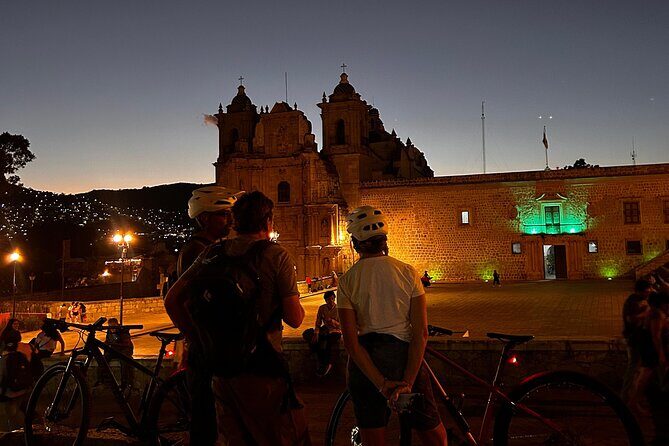
Oaxaca’s center can be rough on wheels, and this ride doesn’t pretend otherwise. Expect uneven streets and bumpy sections, including older stones where you really have to keep your eyes down and focus on the path while the bike rolls over irregular ground.
That said, safety is clearly part of the brand of this experience. Guides are described as careful with timing and route navigation, and there’s an emphasis on moving through the city with caution. Since this is a small group (maximum 8), you’re less likely to get lost in a crowd. It also makes it easier for the guide to keep an eye on everyone’s pace.
If you’ve never ridden a bike on cobblestones, you don’t need to panic. Just treat it like a workout for your balance, keep your hands relaxed, and let the guide set the rhythm.
Stop 1: Panteon General and why cemeteries matter in Oaxaca
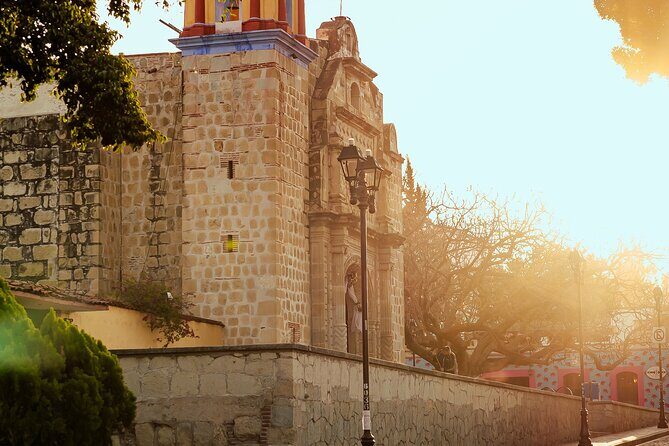
Your first big context stop is Panteon General, the city’s first cemetery. In many places, cemeteries are treated like quiet backdrops. Here, the cemetery helps explain how Oaxaca thinks about memory, place, and tradition.
You’ll spend about 20 minutes there, and it’s noted that admission ticket is not included. That’s not a deal-breaker, but it does mean you should budget a little extra for entry if you want to go inside the relevant areas.
Why this stop is valuable: it sets a tone. After you’ve seen how the city treats the past in stone and space, the rest of the neighborhoods and churches feel less random. They connect to a long cultural story rather than just being pretty sights.
Stop 2: Templo de San Matías Jalatlaco and the neighborhood vibe
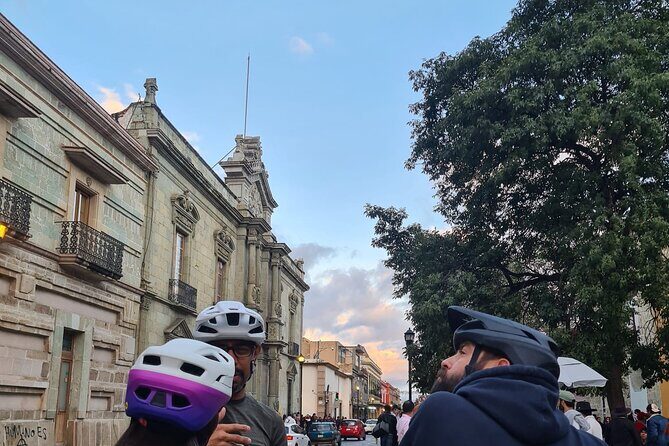
Next comes Templo de San Matias Jalatlaco, and this stop is as much about the street-level Oaxaca as it is about the church itself. Jalatlaco is known for color and for wall art, and the ride focuses on admiring street art and murals along the way.
You’ll spend about 20 minutes here, and admission is free. The main value is the guided route that helps you notice things you might miss if you only wandered on foot. By bike, you can cover more blocks without losing the thread of what you’re looking at.
The practical benefit: this is a strong stop for first-timers. If you’re still learning what kind of city Oaxaca is, Jalatlaco gives you an immediate feel for creativity and local identity.

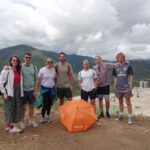



Stop 3: Parque Juárez El Llano and traditional nieves
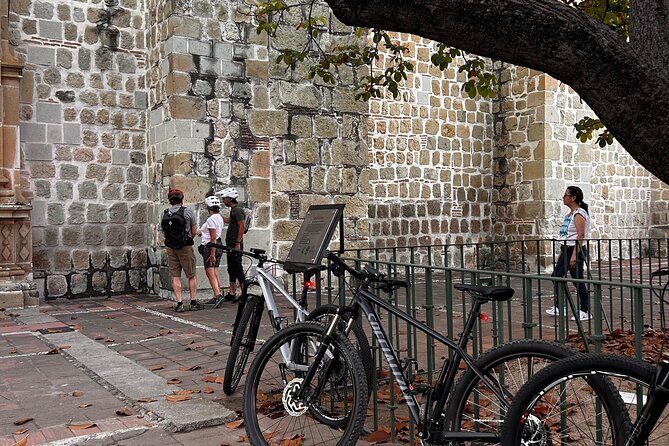
At Parque Juárez El Llano, you get a break that feels like part of the culture, not a tourist intermission. The tour includes time to try traditional nieves, and you also get history about the place while you enjoy something cold.
This stop runs about 20 minutes and is marked as free for admission. Nieves aren’t just dessert here; they’re a small window into local tastes and everyday routines.
Why I think this stop works: it helps you connect the physical city to daily life. After riding and looking at buildings, tasting something local gives you a memory that sticks longer than a photo.
Stop 4: Los Arquitos de Xochimilco and the story of a historic barrio
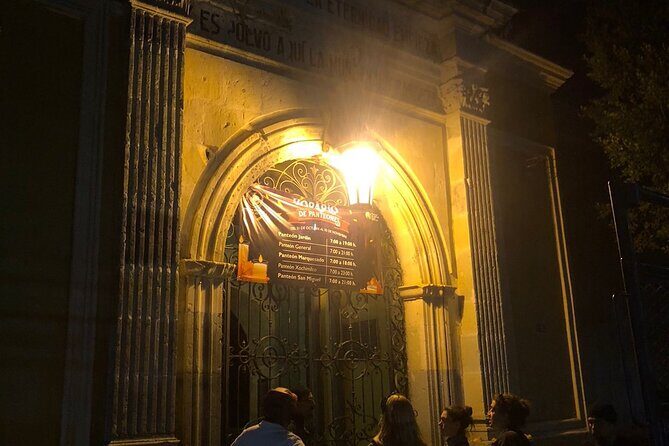
Then you head to Los Arquitos de Xochimilco, where you learn about the history and importance of the old neighborhood of Xochimilco. This is one of the stops that adds depth without relying on a single monument.
The time is shorter, about 15 minutes, but it’s enough to understand why this area is considered significant. It’s also free for admission.
If you tend to skip the “smaller” stops because they don’t look like the postcard sites, this one is worth paying attention to. Neighborhood history is how cities make sense, and biking gives you the best seat to understand that neighborhood identity.
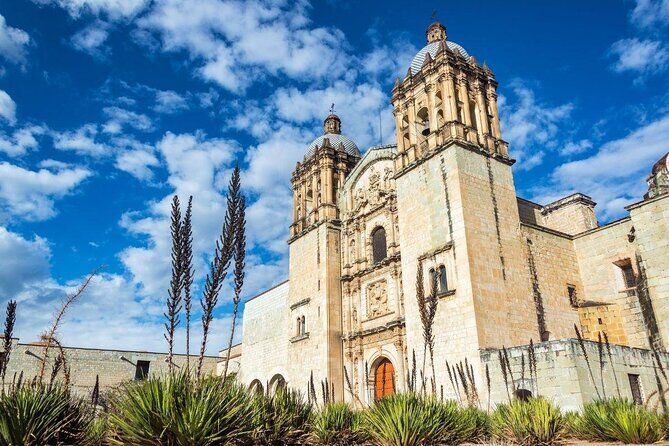
Stop 5: Templo de Santo Domingo de Guzmán, Oaxaca’s major church
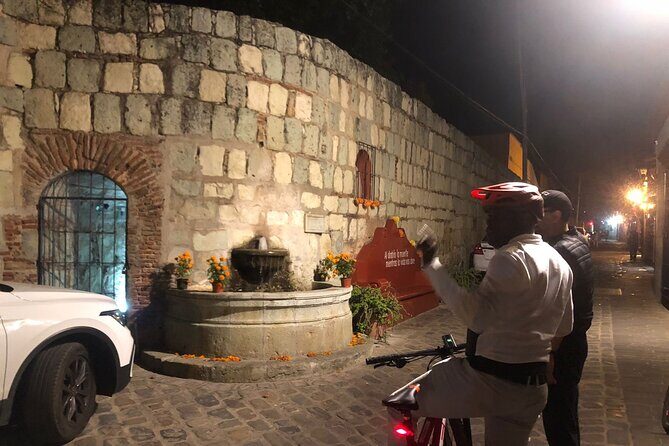
Now the tour moves into big visual territory with Templo de Santo Domingo de Guzman. This church is described as the biggest and oldest in the city, and the stop is designed for you to admire its importance and history.
You’ll have about 15 minutes here, and admission is free. Even without going super deep inside, the outside and the surrounding context can tell you a lot. Major churches often act like anchors in city life, and this one anchors the narrative of Oaxaca’s historical power.
What to watch for: don’t rush past the details. Take a moment to look at how the church faces the surrounding streets. That relationship often explains how the neighborhood grew around it.
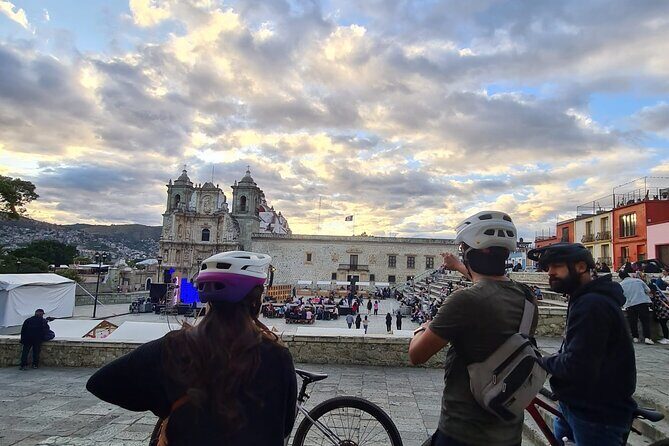
Stop 6: Basilica de Nuestra Señora de la Soledad and the view over Centro
The final stop is Basilica de Nuestra Senora de la Soledad, with about 20 minutes on site. Like Santo Domingo, it’s free for admission, and the focus here is the architecture plus the history of the basilica.
You also get what sounds like one of the best payoffs of the tour: a view of the center. Big-church stops are great, but a viewpoint is what turns the ride into a memory you can replay later.
This is also a smart ending because it gives you a “systems check.” After seeing cemeteries, neighborhoods, and major churches, looking back over Centro helps you connect the map in your head.
What the $38.81 price buys you in real terms
At $38.81 per person for about 2.5 hours, you’re paying for three things:
- Time-saving guidance through multiple areas in a single outing
- Interpretation of what you’re seeing (not just a route, but meaning)
- A food moment with traditional nieves included in the experience flow
Also, the tour is built for a maximum of 8 travelers, which matters more than it sounds. Smaller groups often mean less waiting and more direct answers from the guide.
The one cost wrinkle is that Panteon General admission is not included, while the other listed stops are free. So your total spend might end up slightly higher if you plan to enter the cemetery areas fully.
Booked on average about 12 days in advance, this is also the kind of tour that fills up in the high season. If you’re traveling during peak months, booking early helps you lock in a time that works with the rest of your Oaxaca plan.
Which guides fit what you want: history, humor, and careful riding
Guides are a major reason this tour gets strong ratings. You’ll often hear about guides like Marion and Humberto, described as welcoming, safe, and strong on Oaxaca history and cultural traditions.
One detail that stands out in the way people describe the experience: guides don’t just recite dates. They explain route logic and offer history context in a way that makes the streets feel connected. Another bonus is humor. A light tone helps when you’re negotiating cobblestones and short stop times.
If you care about history but don’t want a lecture, this kind of guiding style is a good match.
Who should book this Oaxaca City bike ride (and who should not)
This works best if you:
- want a quick overview of Oaxaca City’s center
- like mixing architecture with neighborhood character and street art
- prefer guided tasting moments like nieves over solo wandering
It may not be ideal if you:
- don’t handle uneven surfaces well, since the ride includes bumpy sections and older stones
- have trouble with the practical reality of short stops and moving onward
- are under 1.50 meters tall, since the tour notes it isn’t suitable for people that size
Should you book this tour or plan it on your own?
Book it if you want to get your bearings fast and learn what you’re looking at as you ride. The combination of six major stops, street art in Jalatlaco, a food break at El Llano, and a city-view ending makes this a high-value first or second morning in Oaxaca.
Skip it or consider a different style of tour if you strongly prefer slow, museum-level visits. This isn’t set up for long stays inside every building. It’s set up for motion, context, and a practical circuit that helps you understand Oaxaca City’s layout and traditions.
If you’re the type who likes to compare your guide’s ideas with your own wandering later, this tour gives you a strong baseline. Then you can return on foot to the spots that stick.
FAQ
Is this Oaxaca City bike ride offered in English?
Yes. The tour is offered in English.
How long is the Oaxaca City bike ride?
It lasts about 2 hours 30 minutes.
How many stops are included?
The route includes six main stops: Panteon General, Templo de San Matias Jalatlaco, Parque Juarez El Llano, Los Arquitos de Xochimilco, Templo de Santo Domingo de Guzman, and Basilica de Nuestra Señora de la Soledad.
Are admission tickets included?
Admission for Panteon General is not included, while admission for the other listed stops is free.
What’s the maximum group size?
The tour has a maximum of 8 travelers.
What happens if weather conditions aren’t good?
The experience requires good weather. If it’s canceled due to poor weather, you’ll be offered a different date or a full refund.