REVIEW · OAXACA DE JUAREZ
Oaxaca: Day of the Dead Evening Walking Tour with Dinner
Book on GetYourGuide →Operated by Mexico Kan Tours · Bookable on GetYourGuide
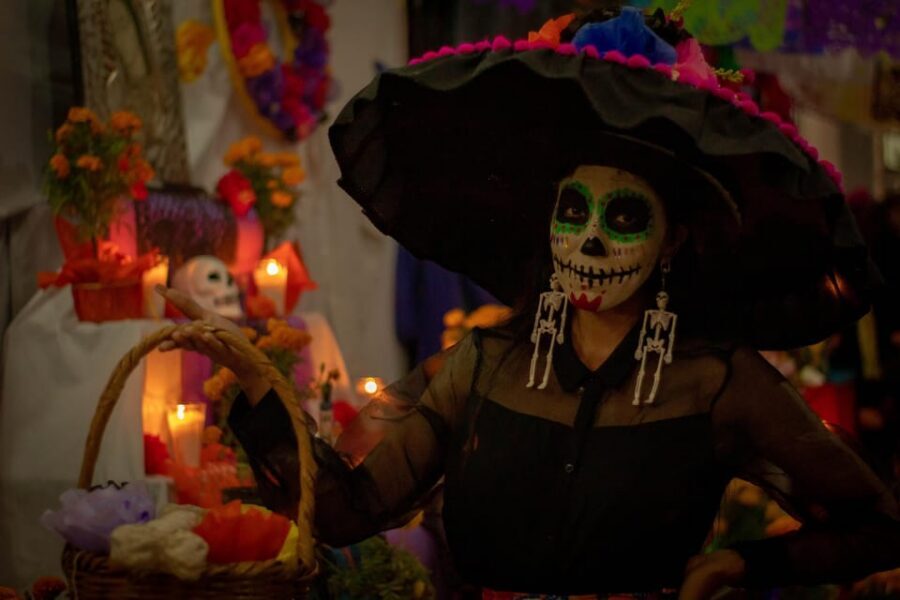
Dia de Muertos turns Oaxaca into a living altar. On this 5-hour evening walk with dinner, you follow flower-covered streets from Plaza Cruz de Piedra to Santo Domingo and the cemetery, then end the night eating like locals. I especially loved the cemetery visit, where thousands of offerings create a strange, beautiful mix of grief and joy, and I liked how the dinner feels built into the experience rather than tacked on.
What really makes this tour work is the pacing and the guide. I’ve heard it led by locals like Jorge and Pablo, plus guides such as Tania and Tonya, and the best moments come from their explanations and the way they help you read what you’re seeing. One consideration: you’ll walk around 4.5 km on uneven sidewalks and you should expect a longer, emotional stop at the cemetery, so it’s not the right pick if you’re mobility-limited or easily worn out.
In This Review
- Key things that make this tour worth your time
- Plaza Cruz de Piedra: meeting point and getting in the right mood
- Markets and city streets: the lead-in to Oaxaca’s Day of the Dead spirit
- Santo Domingo Plaza: flowers, church facades, and the meaning of the big scene
- The cemetery stop at San Miguel: where Dia de Muertos turns emotional
- Jalatlaco’s neighborhood altars: a street-party feel with real life underneath
- Dinner from 7 to 8 pm: what’s included and what to watch for
- Price and value: is $109 (or $115) fair for 5 hours?
- Walking distance, fitness limits, and who should pass
- Language support: getting the meaning, not just the route
- Should you book this Oaxaca Day of the Dead evening tour?
- FAQ
- FAQ
- Where does the tour start?
- What time does the tour begin?
- How long is the tour?
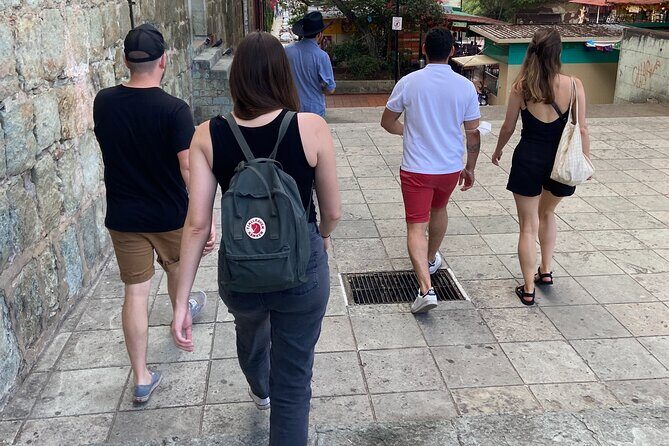
- Is there walking involved, and how much?
- What’s included in the price?
- What languages are available?
- Is Oaxaca Cathedral included on every date?
- Is it suitable for people with mobility issues?
- What should I bring?
Key things that make this tour worth your time

- Small groups capped at 10 people so you can hear your guide and keep questions moving.
- A real cemetery stop with thousands of offerings and altars, not just a quick photo pause.
- Santo Domingo Plaza and the nearby church/ex-convent area get decked out for the occasion.
- The Jalatlaco neighborhood route helps you see how altars show up in everyday streets.
- Dinner plus water and snacks keeps you fueled for the evening walk.
- Guides include multiple languages (English, Spanish, French, German), which helps you catch the meaning behind the decorations.
Plaza Cruz de Piedra: meeting point and getting in the right mood
The night starts at Plaza Cruz de Piedra, with the meeting time set between 3 and 4 pm (your exact time gets confirmed by email). This matters because Day of the Dead isn’t just a late-night spectacle in Oaxaca; the city starts preparing early, and the light in the late afternoon makes the decorations easier to take in before everything turns into full evening energy.
From the first streets, you’ll notice how the celebration works on multiple levels at once. There are altars and flowers, yes, but you’ll also see the behind-the-scenes side: small setups around storefronts, families working on details, and people moving with purpose. Your guide’s job is to connect the visual details to the beliefs behind them, so you don’t just see color. You understand why the color is there.
A practical tip: wear shoes you trust. Even with guided stops, you’re on foot for about 5 hours, and the route includes city sidewalks that can be uneven.
If you're still narrowing it down, here are other tours in Oaxaca De Juarez we've reviewed.

Markets and city streets: the lead-in to Oaxaca’s Day of the Dead spirit
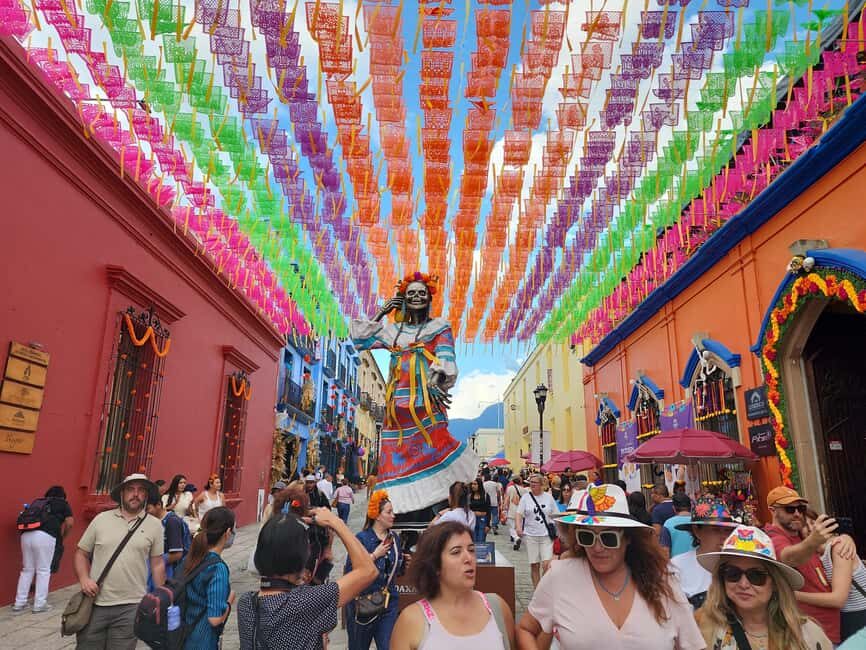
After meeting up, you’ll head through market and city streets, where decorations and offerings start to feel more like part of daily life than a staged attraction. Oaxaca is known for traditional arts, crafts, and food, and during Dia de Muertos those things show up right on the street—especially through what people buy, where they gather, and what they’re preparing.
Depending on the dates you go, your walking route may include Oaxaca Cathedral as part of this early stretch. Even when you’re not focusing on a single building, the cathedral area works as a visual anchor: you can spot offerings and floral work built into the urban fabric, not just behind ropes in a museum.
This segment is also where you’ll learn the “how to look” part. Your guide will point out altars’ purpose and how offerings connect to the idea that loved ones return for a visit while the living keep the celebration going with a fiesta spirit. That context makes the later cemetery stop hit harder—in a good way.
Santo Domingo Plaza: flowers, church facades, and the meaning of the big scene

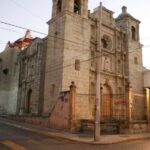
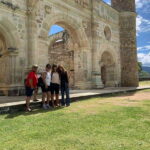
Next comes the Santo Domingo Plaza, a focal point for the holiday. Your route includes the church and ex-convent area, both of which get decorated for the occasion. This is one of the best places to see scale: the celebration isn’t small or private. It’s public, communal, and designed to be noticed.
Here’s what I like about this stop: it gives you a “big picture” before you go quiet. In the plaza, you can take in broad themes—flowers, candles, altars, and the way people flow through the space—then your guide explains what those visual elements mean in practice.
A drawback to plan for: crowds can build around the most famous photo spots. The good news is your guide aims to keep you moving so you’re not stuck watching other people’s elbows. Still, this is the segment where patience helps.
The cemetery stop at San Miguel: where Dia de Muertos turns emotional
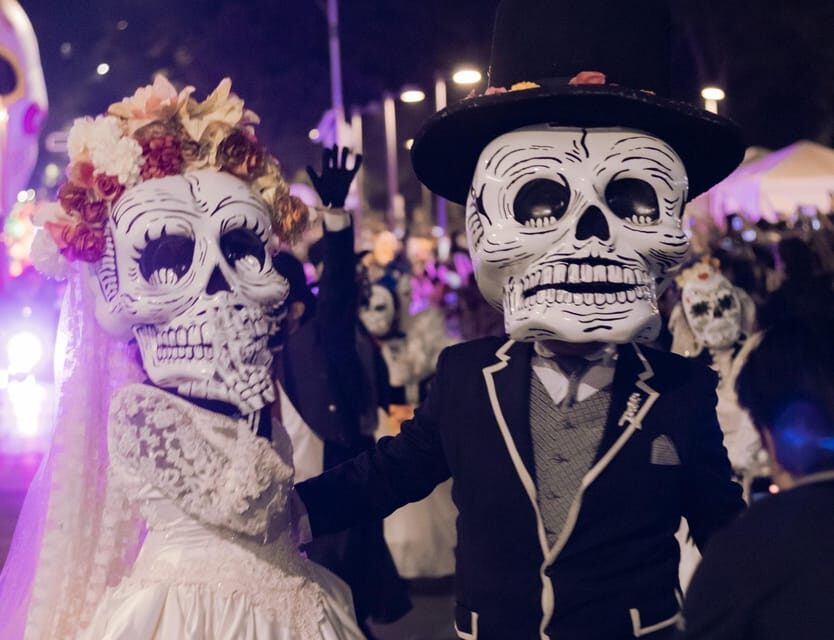
If you want one reason this tour gets strong marks, it’s the cemetery visit. The route leads you to the cemetery area where you’ll see an enormous display of offerings and altars, transforming a place of rest into something full of life.
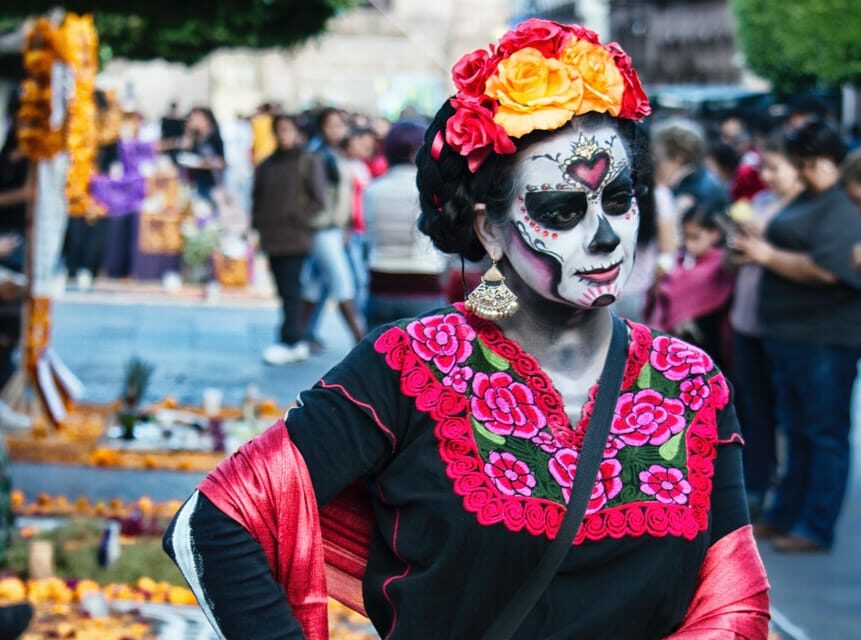
This isn’t a “stand here, take a picture, leave” moment. The holiday concept is personal: on this day, families honor the deceased with feasts for the eyes and the senses, and the living host a celebration in their honor. Standing among thousands of offerings changes your perspective fast. It can feel tender, it can feel uplifting, and it can feel both at once.
One guest highlight from the route that matches what I’d expect: people repeatedly call this the emotional heart of the evening. If you’re the type who enjoys understanding cultural meaning over just ticking off sights, you’ll probably appreciate how your guide frames what you’re seeing.
Also, expect quiet respect from the group. Even if others are chatting, you’ll feel the shift in tone as you enter the cemetery space.
Jalatlaco’s neighborhood altars: a street-party feel with real life underneath
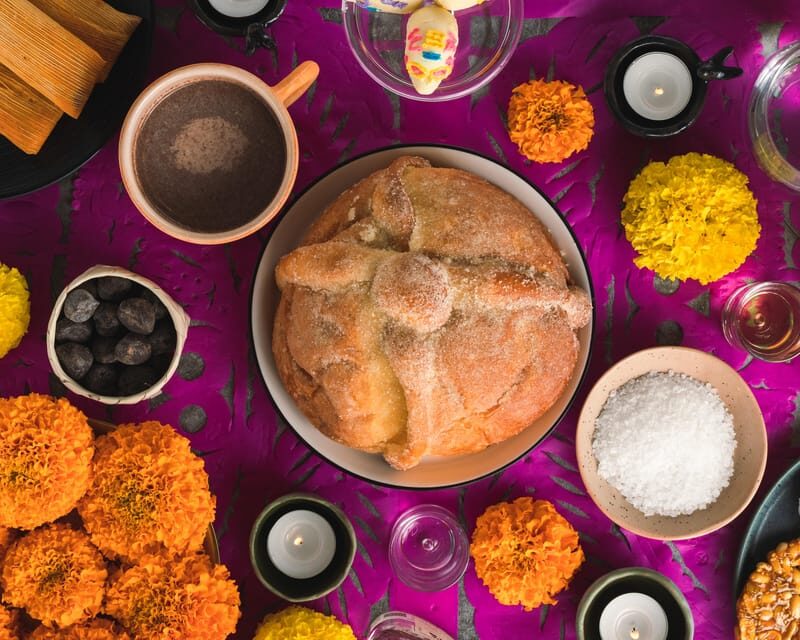
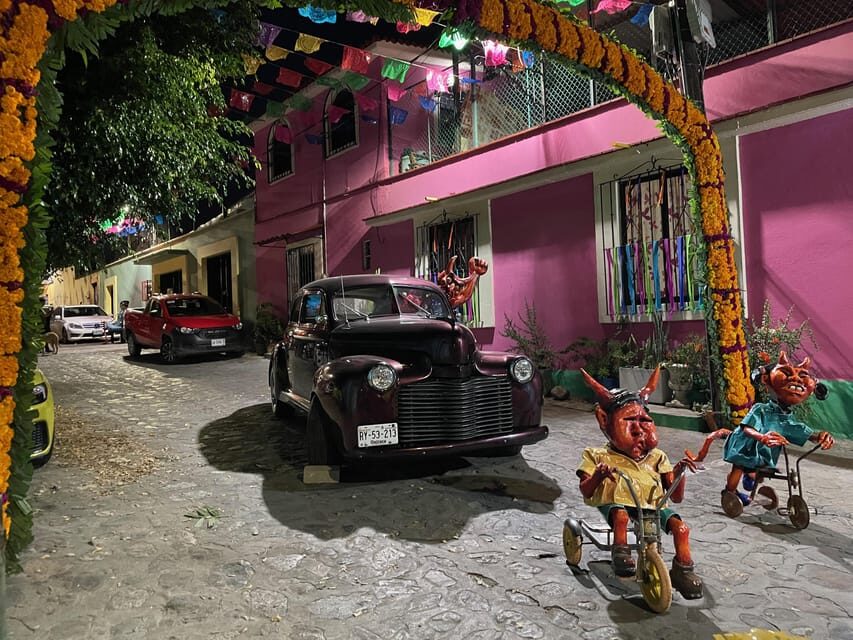
After the larger central areas, the tour heads away from the biggest crowds to Jalatlaco, a neighborhood known for its Day of the Dead displays. This is where the holiday starts to look less like a downtown show and more like something families build in their own streets.
You’ll see typical neighborhood altar setups—flowers, offerings, and arrangements made for community memory. The atmosphere can feel like a street party at times. But your guide also steers the meaning back toward the core message: life is temporary, and the point is to be grateful for time you have and for the people you love.
This stop is a great counterbalance to the cemetery visit. If the cemetery brings the emotion, Jalatlaco shows the everyday expression of that emotion—how the same belief shows up in places where people live, not just where the dead rest.
A small logistical note: because it’s a neighborhood walk, the sidewalks may be less predictable. Keep your pace comfortable.



Dinner from 7 to 8 pm: what’s included and what to watch for
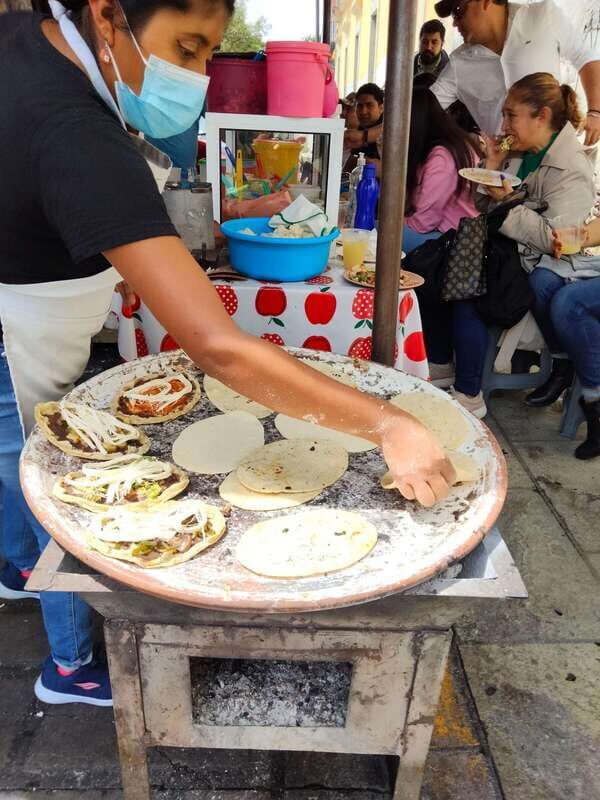
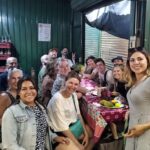
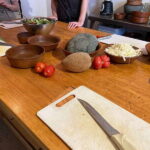
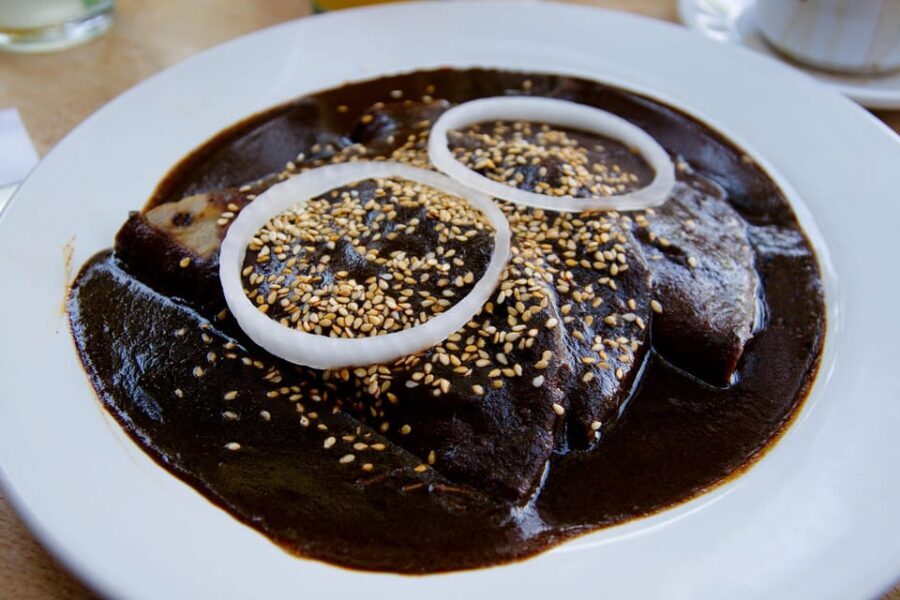
Dinner starts between 7 and 8 pm, after the walking portion. Dinner is included, along with water and snacks. That’s a smart inclusion because Dia de Muertos evening outings can easily run long, and you don’t want your energy to crash right before the meal.
You’ll eat in an “exclusive setting,” meaning not just a random spot you could stumble into. Some feedback describes the dinner as delicious and authentic, and the experience is often praised as local—away from the most tourist-heavy zones.
Still, the food setup isn’t identical every night. Some people have mentioned the restaurant experience could feel more like cafeteria-style service, and a few comments point to food quality not always matching the rest of the tour. So my best advice: treat dinner as part of a cultural evening, not as your guaranteed best meal of Oaxaca.
Price and value: is $109 (or $115) fair for 5 hours?
The tour price is $109 per person for most dates, with some dates listed at $115. For that price, you get a lot more than a basic walk:
- A live guide for the full route
- Entry fees for the stops that charge
- Dinner plus water and snacks
- A small group size (up to 10 participants)
- About 4.5 km of guided walking over roughly 5 hours
Is it worth it? For me, yes, if you care about meaning. A Day of the Dead tour is strongest when your guide helps you read what you’re seeing. Here, the value comes from the cemetery access and the guided context across multiple spaces: plaza, cathedral area (some dates), church/ex-convent deck-ups, neighborhood altars, then food.
If you mostly want photos and don’t care about explanations, you could save money and do it on your own. But if you want the holiday’s logic in plain language, the guide is doing the heavy lifting.
Walking distance, fitness limits, and who should pass
This is a walking tour. You’ll cover about 4.5 km. The operator also flags health and mobility limits: it’s not recommended for people with walking disabilities, wheelchair users, or anyone over 80, and it also lists kidney problems, recent surgeries, and low fitness as reasons it may not be suitable. Children under 8 aren’t recommended either.
So I’d frame it like this: if you can comfortably do a long city walk, you’ll be fine. If you’re on the edge with mobility or stamina, choose a shorter option.
Also consider your schedule. You start in the afternoon and finish after dinner, so you’ll need an evening that’s truly free. One small but practical lesson echoed by guests: rest beforehand. You’ll enjoy the cemetery stop more if you’re not exhausted.
Language support: getting the meaning, not just the route

Guides work in English, Spanish, French, and German. That matters because Day of the Dead symbolism is easy to miss if you only get signage or random guesses. In a good tour, the guide gives you a way to interpret altars, offerings, and the beliefs behind the celebration.
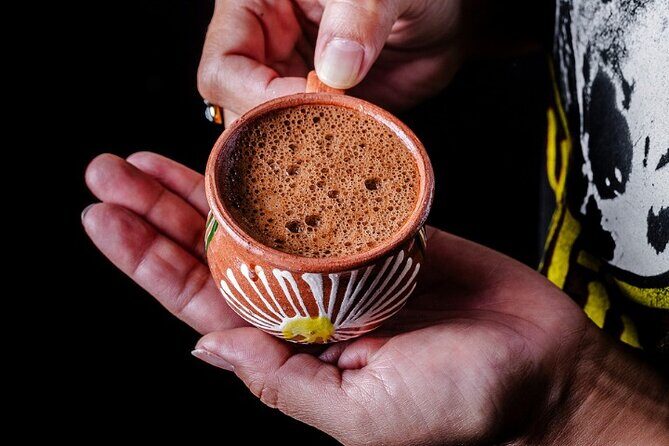
From the guide name mentions in feedback, the guides (including Jorge and Pablo) are described as friendly and well-organized, with guests sometimes noting personal touches like sharing mezcal as part of the honoring spirit. Even if that doesn’t happen every night, the overall vibe is guided, not just directional.
Should you book this Oaxaca Day of the Dead evening tour?
Book it if you want a structured route that hits the big public displays and then connects them to the deeper emotional meaning, especially through the cemetery and the Jalatlaco neighborhood altars. The small group size and included dinner make it feel like a complete evening plan, not a grab-and-go tour.
Skip it if you don’t like long walks, you have mobility limitations, or you’re hoping dinner will be the highlight of your trip. Also pass if you need a low-emotion itinerary. This holiday can be moving.
FAQ
FAQ
Where does the tour start?
The guide meets you in front of the Stone Cross at Plaza Cruz de Piedra.
What time does the tour begin?
Start times are generally between 3 and 4 pm, with the exact time confirmed by email.
How long is the tour?
The tour runs for about 5 hours.
Is there walking involved, and how much?
Yes. You’ll walk approximately 4.5 km during the evening.
What’s included in the price?
Included are the tour guide, guided walking tour, entry fees, dinner, plus water and snacks.
What languages are available?
The live guide is available in English, Spanish, French, and German.
Is Oaxaca Cathedral included on every date?
The route description varies by date. Some dates include Oaxaca Cathedral, while others focus on different city highlights before Santo Domingo and the cemetery.
Is it suitable for people with mobility issues?
It is not recommended for people with walking disabilities, wheelchair users, or anyone who has difficulty with sustained walking. It also lists other health limitations.
What should I bring?
Bring comfortable, closed-toe shoes, since this is a walking tour.