REVIEW · OAXACA DE JUAREZ
Oaxaca: Monte Alban, Cuilapam, and Artisan Villages Tour
Book on GetYourGuide →Operated by El Andador Travel & Tours · Bookable on GetYourGuide
Oaxaca’s crafts and ruins in one long loop. This day trip strings together Monte Albán and hands-on Oaxaca craft stops, so you’re not just looking—you’re seeing how people make, decorate, and preserve traditions. I like the mix of big sights with real workshops, especially black pottery at San Bartolo Coyotepec. One caution: the schedule can be tight, and you should plan for possible extra costs once you’re on the road.
The best part is the storytelling. When the guide is on form—like Léo at Monte Albán or Juan Carlos with his clear, friendly explanations—the places make sense fast and you get context for what you’re seeing. Still, this is a shared tour with flexible timing, so pickup and return can run later than you want, especially on days with delays.
$21 for 9 hours with round-trip transportation and a coordinator is strong value on paper. Just don’t assume every ticket, meal detail, or site access is included, and don’t expect a relaxed pace at every stop.
Key things to know before you go
- Monte Albán is the anchor: the UNESCO Zapotec site is the main draw, but you’ll want enough time to handle ticket lines.
- Workshops beat store stops: you’ll watch pottery and alebrijes being made, not just browse.
- Guide quality can make or break the day: names like Léo and Juan Carlos show up for a reason.
- Convent access isn’t guaranteed: Cuilapam de Guerrero can be affected by repairs or closures.
- Plan for extra payments: site fees and lunch details may cost more than you expect.
- Shared transport means variable comfort: bus style and ventilation can depend on the group size.
In This Review
- A Shared Day Trip That Mixes Big Ruins and Hands-On Crafts
- Morning Logistics From Oaxaca: Pickup Time and the Bus Reality
- Monte Albán: UNESCO Views, Ticket Lines, and What You Gain From a Good Guide
- Cuilapam de Guerrero Convent: Stunning Architecture With a Possible Closure
- San Bartolo Coyotepec Black Pottery: Watching the Art Before You Buy
- San Antonio Arrazola Alebrijes: Wooden Color Stories and Real Making
- Lunch, Shopping, and Extra Costs: The Day’s Real-Life Math
- Who This Tour Suits (and Who Should Skip It)
- Should You Book This Oaxaca Crafts and Ruins Tour?
- FAQ
- How long is the Oaxaca: Monte Albán, Cuilapam, and Artisan Villages tour?
- Is round-trip transportation included?
- What language is the guide?
- What’s included in the price?
- Do I need to bring anything?
- Are kids allowed?
- Is the tour accessible for wheelchair users or pregnant travelers?
- Is there free cancellation?
A Shared Day Trip That Mixes Big Ruins and Hands-On Crafts

This tour is built like a sampler plate of Oaxaca: one major archaeological site, one historic religious complex, and two craft industries that Oaxaca is famous for. The aim is simple. You leave Oaxaca and come back with a clearer picture of how Zapotec-era thinking, colonial-era structures, and modern artisan production connect.
I like how the craft stops are focused on process. You’re not only learning what black pottery and alebrijes are; you see how artisans form, finish, and decorate the objects. That helps you shop smarter too. It’s easier to understand what you’re paying for when you’ve watched the work happen.
The tradeoff is time pressure. A 9-hour day has to move fast between sites. If you want slow wandering, long photo breaks, or a leisurely lunch sit-down, this is more of a “see a lot, learn fast” format.
Morning Logistics From Oaxaca: Pickup Time and the Bus Reality
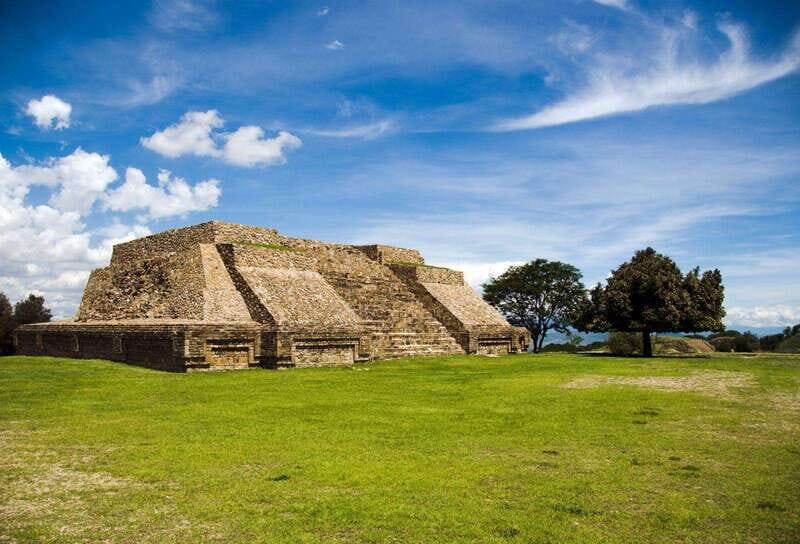
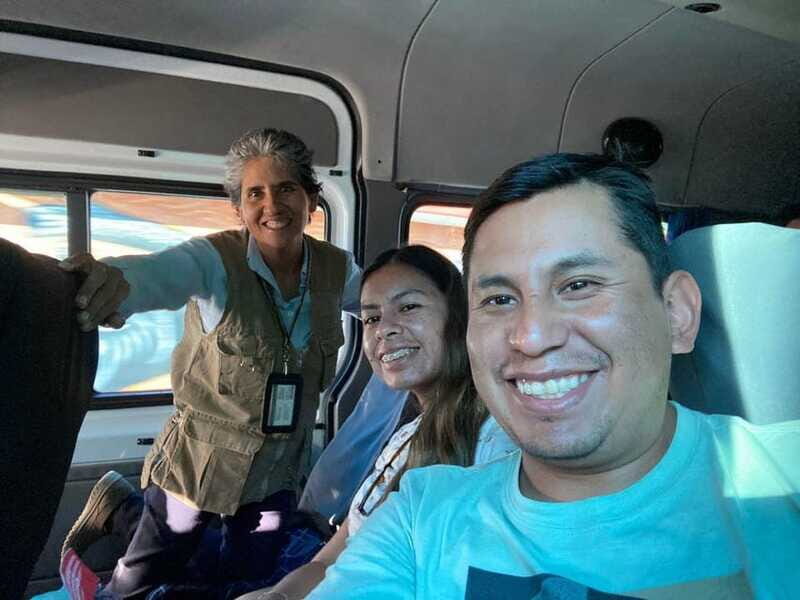
Transportation is round-trip from Oaxaca, but it’s shared, and the vehicle depends on how many people are on board. That matters because comfort varies. In at least one run, people reported limited ventilation on the bus (and not everyone was seated in the best spot for hearing explanations).
Pickup is another detail that can change your day. The departure time is listed, but shared group pickups can take time at the meeting point. So even if you’re early, you might still wait before you roll.
Here’s how I’d handle it: show up early, bring water, and pack your patience. Also, remember the tour is in Spanish with a live guide, so if you don’t follow Spanish well, plan to rely on visuals and the guide’s pace rather than catching every word.
Also note the practical rules that keep things on schedule: you’ll be expected to respect the time slots the coordinator assigns at each site. That helps the itinerary function, but it means you’ll sometimes need to cut a photo session short.
If you're still narrowing it down, here are other tours in Oaxaca De Juarez we've reviewed.

Monte Albán: UNESCO Views, Ticket Lines, and What You Gain From a Good Guide
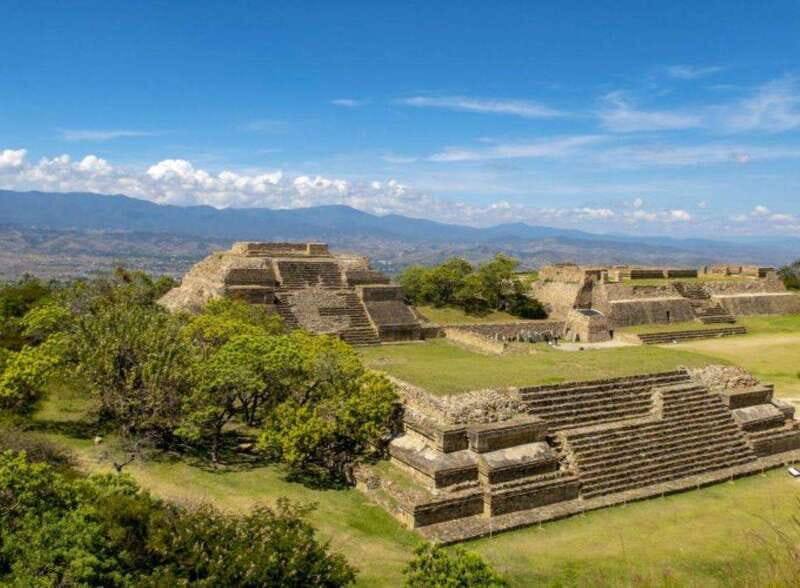
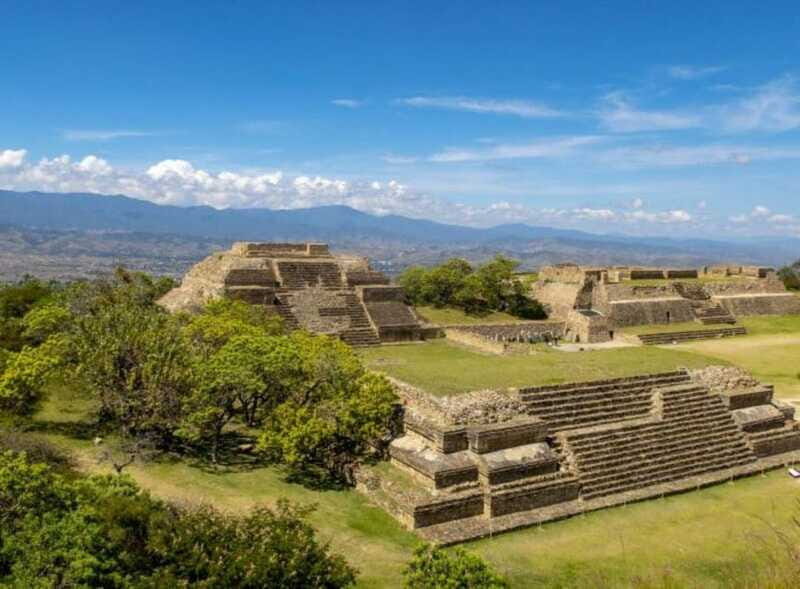
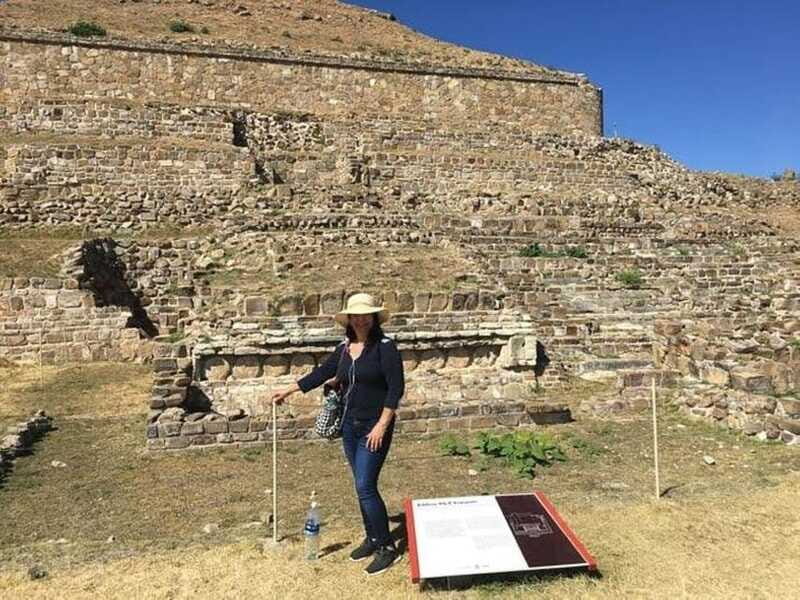
Monte Albán is the reason many people come to the Oaxaca Valley. This UNESCO World Heritage Site was the major Zapotec center, and the ruins make it easy to grasp why the Zapotec chose these ridges for power, ceremonies, and control.
What you’re likely to experience on the ground is a lot of ruins in a limited time window. The biggest practical point: ticketing and entry flow can affect how long you actually spend inside. Even when your stop is scheduled, there can be waiting for access. Once you’re in, you’ll want comfortable shoes because you’re walking on uneven surfaces and climbing between sections.
This is also where the guide’s storytelling can really change your experience. In good departures, guides like Léo are known for humor and for turning the site into a clear narrative, so you’re not just looking at stones—you’re connecting the dots between architecture, layout, and what life at Monte Albán likely meant.
Potential drawback: in some cases, you might feel the explanation is lighter than expected once you arrive. If your priority is a very guided walkthrough, go in with realistic expectations and use your phone/camera to capture angles, then ask quick questions when you can.
Cuilapam de Guerrero Convent: Stunning Architecture With a Possible Closure
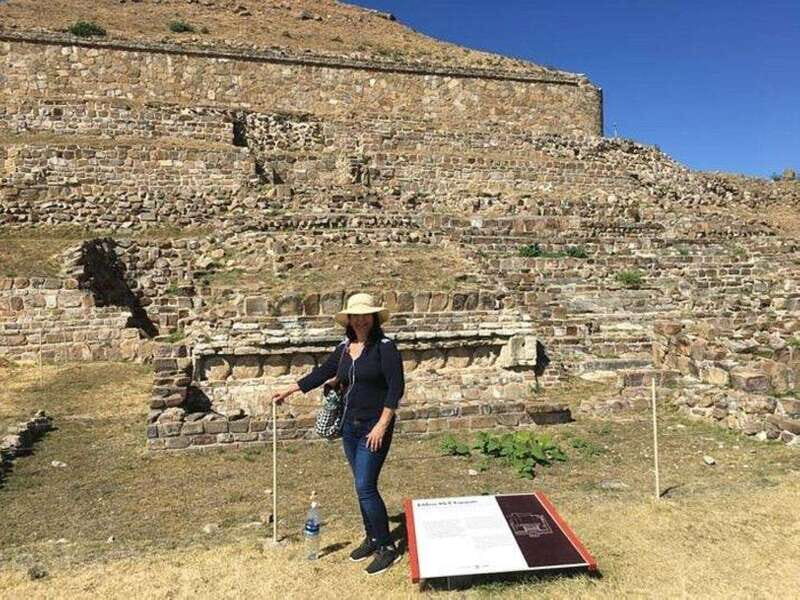
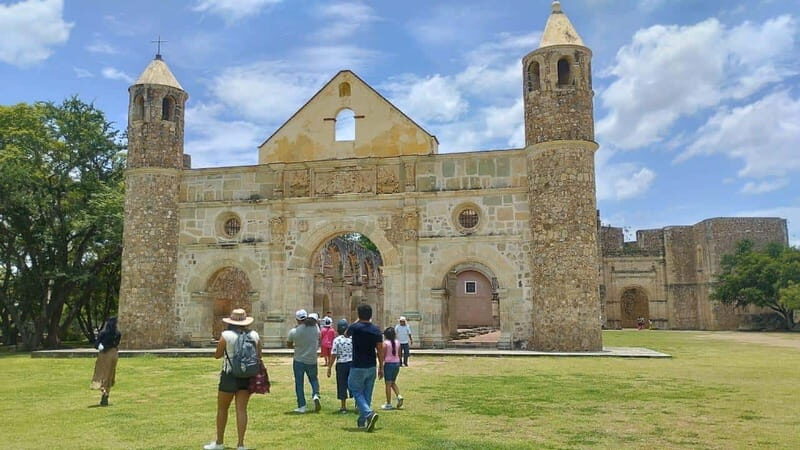
Cuilapam de Guerrero is a different kind of stop. Instead of plazas and tombs, you’re looking at the former convent complex and the architecture that reflects shifting eras in Oaxaca. This is the place where the day becomes more than archaeology and craft—it’s also about how colonial-era religious buildings re-used, reshaped, and re-interpreted local space.
The good news is that the convent building is built for viewing. Even if you only get a moderate amount of time, you can often spot the design logic—open areas, structure lines, and the way the complex sits in the landscape.
The caution is access. On at least one departure, the convent visit was skipped due to repairs after tremors. The practical takeaway for you: if the convent is your must-see, keep your expectations flexible. If you don’t get that stop, you’ll still have craft and Monte Albán, but your “historic architecture” half of the day may feel incomplete.
If you get the convent time, treat it like a photo stop with a purpose. Look for architectural details you can compare later to the craft stops, where design and symbolism are also part of everyday work.
San Bartolo Coyotepec Black Pottery: Watching the Art Before You Buy
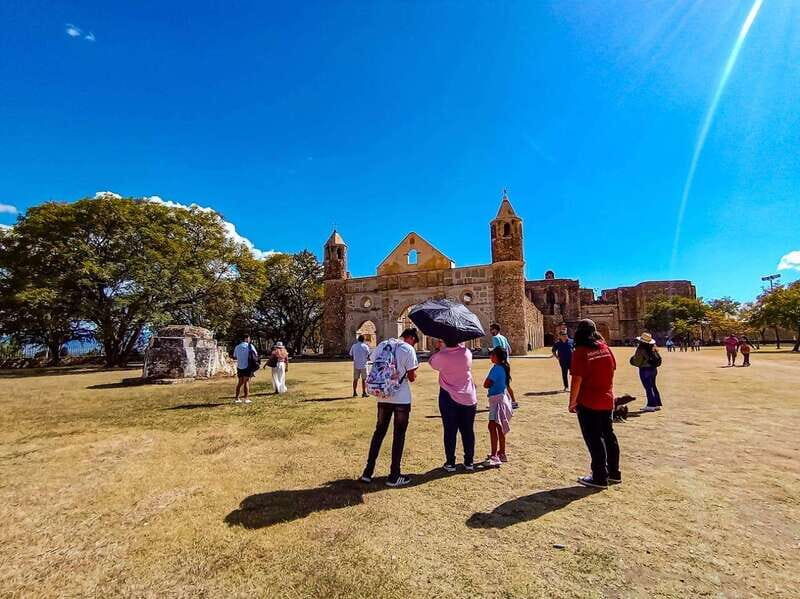
San Bartolo Coyotepec is one of Oaxaca’s black pottery strongholds. The pottery gets its look from traditional techniques and finishing choices, and watching the process makes the final product feel more earned—and less like a random souvenir.
This stop is built around a workshop demonstration. You’ll see how traditional pottery is made, and that’s the value. Even if you’re not buying, you’ll understand why the objects look the way they do and why similar-looking pieces can vary.
Here’s what to watch for if you want to make smarter purchasing decisions:
- Look at the shaping and consistency. Even small differences show the level of handwork.
- Pay attention to how the surface is finished and how color depth is achieved.
- Notice how long the process seems to take, because that affects pricing.
A practical note: this is one of the stops where time can feel compressed. If you want extra questions, aim for moments when the demonstration pauses. And if you’re sensitive to direct sun, bring your hat and sunscreen—workshops can mean long stretches outdoors or near open areas.
San Antonio Arrazola Alebrijes: Wooden Color Stories and Real Making
After pottery, the tour shifts from fired clay to carved wood. San Antonio Arrazola is linked with alebrijes, the colorful animal and creature figures that many visitors recognize instantly.
This stop is also a workshop. You’ll learn about the history of alebrijes and then see how they’re made in practice. That matters because alebrijes aren’t just about decoration. They’re about cultural storytelling—how artisans translate imagination into forms you can hold, sell, and pass along.
What I like here is that you get the “why,” not just the “what.” When the guide connects the pieces to their roots, the art becomes easier to read. And when you watch carving and finishing, you start to understand why the best pieces take time.
Time-wise, plan for a shorter explanation portion and then a production focus. It can still be worth it if you’re paying attention. If you love folk art, this is one of the best stops on the day because it’s visual, interactive in small ways, and easy to appreciate even with limited Spanish.
Also, if you’re tempted to buy, set a budget before you arrive. Alebrijes can range widely in price depending on size and detail, and shop pressure is common in craft zones.



Lunch, Shopping, and Extra Costs: The Day’s Real-Life Math
On paper, this tour is $21 and includes transport plus a tour coordinator and passenger insurance. In practice, the day may cost more once you factor in site fees, meals, and possible extra stops.
One recurring theme: Monte Albán ticketing and access can add costs, and lunch can become a “pay on the go” situation rather than a simple included meal. In at least one instance, the lunch stop wasn’t a flexible restaurant choice, and people described extra costs there too.
So how do you keep this from surprising you?
- Keep some cash ready for site entry and meals.
- Expect that you might need to buy snacks or drinks during the day.
- Treat lunch as a planned expense, not a guaranteed deal.
Shopping is another reality check. Artisan villages can be part of the educational arc, but often they include time that tilts toward buying. If you want maximum “watch and learn” time, you may find some stops feel more retail than workshop-heavy.
If you still enjoy shopping, I’d do it strategically. Buy only after you’ve seen the making process, so you can tell the difference between mass-produced copies and artisan work.
Who This Tour Suits (and Who Should Skip It)
This tour fits best if you want a full day with a clear structure and you enjoy learning on the move. It’s a good option for first-timers who want the big Zapotec name (Monte Albán) plus two Oaxaca craft traditions in one trip.
You should consider skipping it if you:
- Need wheelchair access. The tour is listed as not suitable for wheelchair users.
- Are pregnant. Pregnancy isn’t listed as suitable.
- Are traveling with very young kids. There’s a note about children 0–6 paying half, but there’s also a statement that the tour isn’t suitable for children under 6. If your child is in that gap, confirm before you go.
- Have mobility limitations that make stairs and uneven ruins hard.
If you’re a solo traveler or a couple who likes group energy but still wants authenticity, this can work well. You’ll also likely appreciate the Spanish-only guide format if you can follow at least the basics.
One more honest point: because it’s shared and timing can slip, it’s not ideal if you’re planning tight connections later the same evening. Give yourself buffer.
Should You Book This Oaxaca Crafts and Ruins Tour?
I’d book it if your priority is variety: Monte Albán plus hands-on craft workshops, in a single day, with transportation handled. The value is real when the day runs smoothly and when the guide can explain what you’re seeing. Names like Léo and Juan Carlos come up because strong guiding turns ruins and folk art into a story you can carry home.
I’d think twice if you hate delays, are counting every peso carefully, or need a very strict schedule. Shared pickups, possible skip/changes at Cuilapam due to repairs, and extra payments at sites or for lunch can make the “exact day plan” feel less exact.
If you go in with flexible expectations, comfy shoes, and a bit of cash for the on-site realities, you’ll likely leave with more than photos. You’ll leave with a clearer sense of how Oaxaca makes meaning through craft—and how that craft grew from older roots.
FAQ
How long is the Oaxaca: Monte Albán, Cuilapam, and Artisan Villages tour?
It lasts 9 hours.
Is round-trip transportation included?
Yes. Round-trip transportation from Oaxaca is included, and the vehicle type depends on how many people are in the group.
What language is the guide?
The live tour guide speaks Spanish.
What’s included in the price?
The tour includes a tour coordinator, passenger insurance, and round-trip transportation.
Do I need to bring anything?
Bring comfortable shoes, a hat, a camera, sunscreen, and water.
Are kids allowed?
The tour information says children 0 to 6 pay half the adult price, and from 7 years old the price is general. It also lists the tour as not suitable for children under 6, so confirm fit for your child age.
Is the tour accessible for wheelchair users or pregnant travelers?
No. It’s listed as not suitable for wheelchair users and pregnant women.
Is there free cancellation?
Yes. Free cancellation is available up to 24 hours in advance for a full refund.
If you want, tell me your travel month and your Spanish level, and I’ll help you decide whether this is the best style of tour for your pace.