Street scenes in Oaxaca teach fast. This small-group photo walk in Oaxaca City pairs sightseeing with hands-on coaching from photographer Juan Pablo, so you come away with stronger images. You’ll move through the main center and nearby local streets, built for both beginners and more experienced shooters.
What I like most is the skill-first approach. Juan Pablo adapts to your level, from helping you use your camera in manual mode to tightening composition and lighting decisions when you already know the basics. You also get encouraging, patient guidance, not just a sightseeing loop.
One thing to consider is the time box: it’s about 2 hours, so you’ll need to come ready to shoot and learn on the go. If you want a slower, longer tour focused mostly on history or shopping, this might feel a bit too practice-heavy.
In This Review
- Key highlights to plan around
- Oaxaca City as your photo classroom
- Meet Juan Pablo: how the coaching feels in real life
- The 2-hour walking route: Café El Volador and Santo Domingo de Guzmán
- What you actually learn: manual mode, framing, and lighting choices
- Manual mode basics (for beginners)
- Composition and framing (for everyone)
- Natural light in a real street setting
- Storytelling and respectful street photography
- How to prepare your camera and mindset before you meet
- If you use manual mode already
- If you’re new to manual
- Bring the right kit for re-shooting
- Have a plan for what you want
- Price and value: is $148.93 for 2 hours a good deal?
- Who this Oaxaca photo walk suits best
- Quick practical tips for getting better results on the day
- Should you book this Oaxaca photography experience?
- FAQ
- FAQ
- Is this tour offered in English?
- How long is the Oaxaca photography tour?
- How many people are in the group?
- Where does the tour start, and does it end nearby?
- What is the main photo stop on the route?
- Will I get help if I’m a beginner?
- What is the cancellation policy?
Key highlights to plan around
- Small group of up to 5 so you get real coaching time, not one-size-fits-all instructions.
- Juan Pablo teaches across levels, including manual-mode support for beginners.
- Street + center photography with lots of chances to re-shoot scenes as you learn.
- Focused anchor near Templo de Santo Domingo de Guzmán, great for architecture and detail shots.
- English offered, Spanish also possible if you prefer to chat in Spanish while shooting.
Oaxaca City as your photo classroom
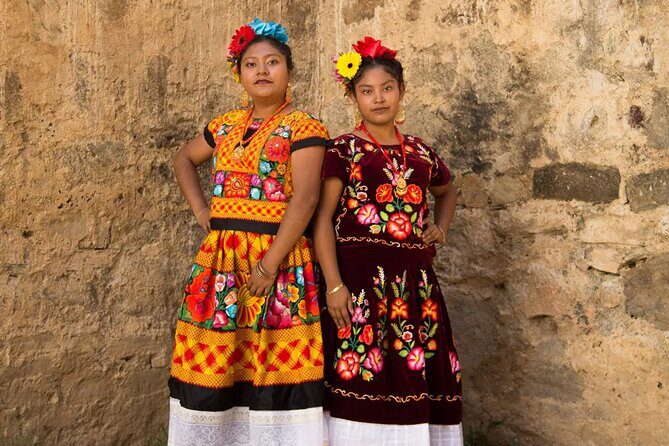
Oaxaca City is one of those places where the streets already have a visual plan. You’ve got strong geometry in the buildings, colorful textures, and everyday life moving through the frame. That mix makes it easy to practice both street photography and architecture/details without hunting for the “perfect” subject.
This tour leans into that. You aren’t just taking one quick pass and moving on. You’re walking through the main center and local streets with time to work scenes more than once, which is the real secret to improving quickly. When you can reframe, change angles, and adjust light, your photos start looking intentional.
Also, Oaxaca is comfortable for conversation. Since Juan Pablo speaks English and Spanish, you can ask questions as you go, instead of guessing what settings or composition tweaks you should try next. That matters, because photography learning sticks faster when the lesson fits what you’re actually seeing.
If you're still narrowing it down, here are other tours in Oaxaca City we've reviewed.


Meet Juan Pablo: how the coaching feels in real life
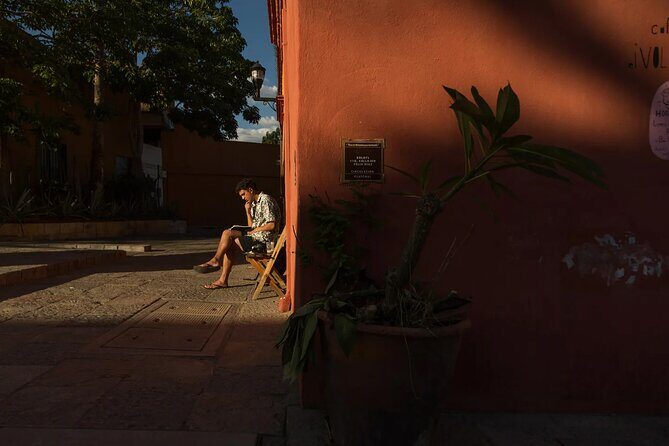
Juan Pablo’s teaching style comes through clearly: he’s patient, supportive, and focused on practical results. Instead of focusing only on technical talk, the emphasis is on using photography to tell a story. That shows up in the way he guides you to look beyond one good shot and think about what your image is saying.
A big plus is how he adapts. If you’re brand new, you’ll get help with manual-mode basics and how to make the camera do what you want. If you already shoot manually, the feedback shifts toward refining decisions like framing, composition, and how to use natural light more intentionally.
One detail worth noting: the guidance isn’t just about getting sharp photos. There’s also a strong sense of respect when approaching subjects, and a calm focus on capturing genuine moments. That’s especially important in a street setting, where you want your presence to feel natural, not intrusive.
And yes, the vibe matters. The best learning sessions aren’t stiff. This one is described as fun and playful, with plenty of encouragement to keep shooting and experimenting. If you get nervous about “getting it wrong,” this approach helps you relax faster.
The 2-hour walking route: Café El Volador and Santo Domingo de Guzmán
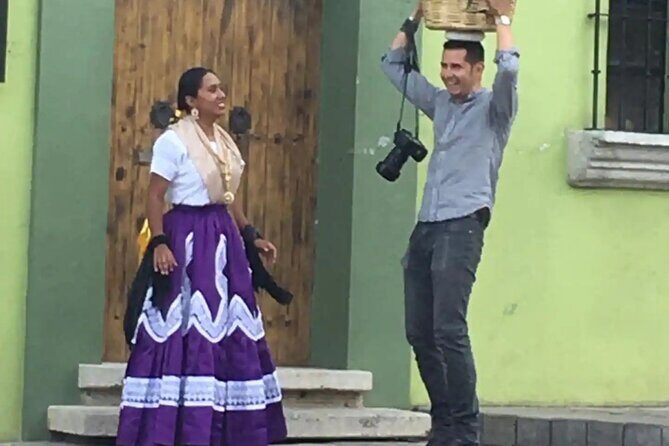
The tour starts at Café El Volador, at Plaza de la cruz de piedra on C. de Xólotl 118 in Centro. You’ll end back at the same meeting point, which keeps logistics simple and helps you plan the rest of your day.
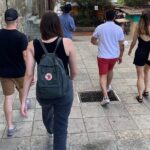
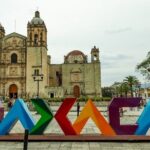
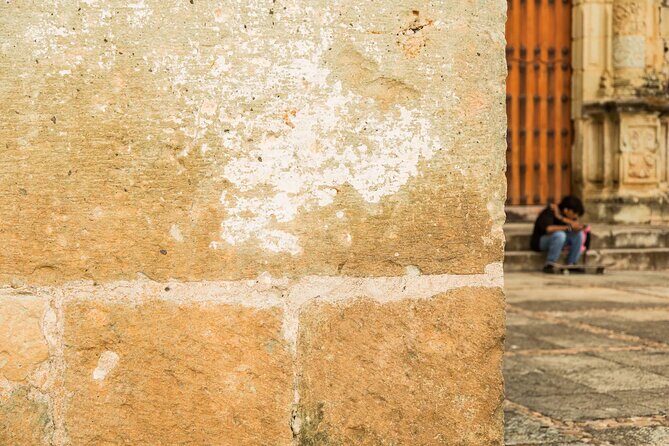
Expect a walk that keeps you close to the action. The experience includes the main center plus local streets, which is where you’ll find most of your photo opportunities. It also includes a key stop at Templo de Santo Domingo de Guzmán, a strong anchor for architecture shots and street-level details.
Here’s what this means for your camera work. Near a landmark like Santo Domingo, you’ll likely be practicing ways to frame big shapes without losing the human-scale context. And in the surrounding streets, you can practice faster experimentation: change positions, try different focal lengths, and watch how your background elements shift.
Because the tour is about two hours, you’ll want to keep your gear ready and avoid getting stuck reviewing settings for too long. The best strategy is to shoot, check your result briefly, then try the next small adjustment Juan Pablo recommends. That cycle is how you get improvement without it turning into a test.
What you actually learn: manual mode, framing, and lighting choices
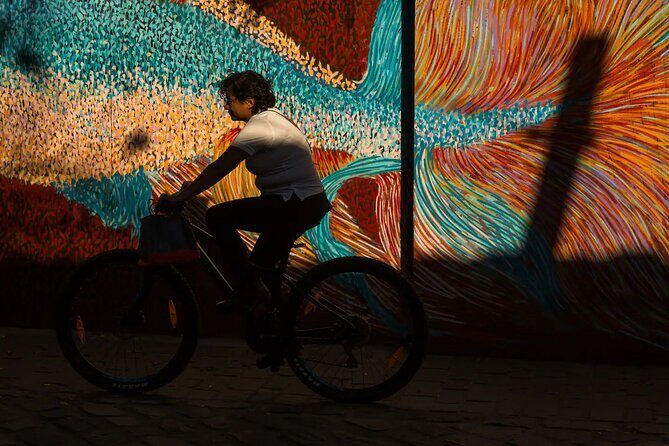
This isn’t a “stand here and listen” photo lesson. It’s built around real shooting as you walk. That’s why you’re likely to learn more than one skill during the session.
Manual mode basics (for beginners)
If you’re learning from scratch, you’ll get help using your camera in manual mode. In practice, that usually means you’ll focus on the exposure basics and learn how to adjust settings deliberately instead of relying only on auto mode. The payoff is control: you’ll be able to handle tricky lighting instead of hoping the camera guesses right.



Composition and framing (for everyone)
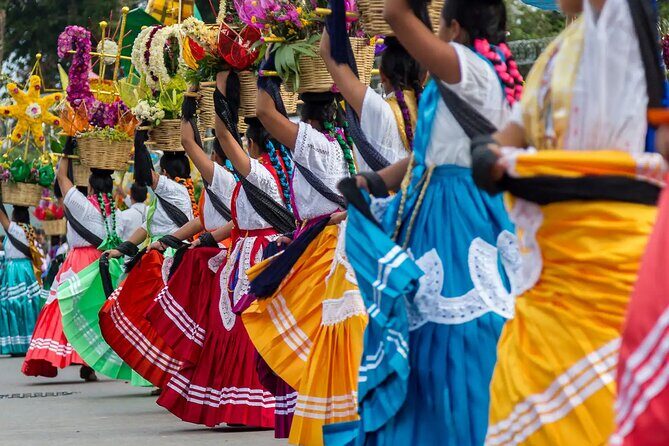
Even experienced photographers benefit from this part. You’ll likely get coaching on how to build a frame so the viewer understands your subject quickly. Think leading lines from streets, doorway framing, edges of buildings, and how to place key subjects in relation to what’s around them.
The goal is not just a nice photo. It’s a photo that feels like it belongs to Oaxaca, with a clear visual direction.
Natural light in a real street setting
Oaxaca’s daylight can be bright, and streets can mix sun and shade. The instruction includes practical ways to handle natural light, so you don’t end up with washed-out highlights or flat shadows. You’ll practice by observing light, making a small camera adjustment, and then shooting again to compare results.
Storytelling and respectful street photography
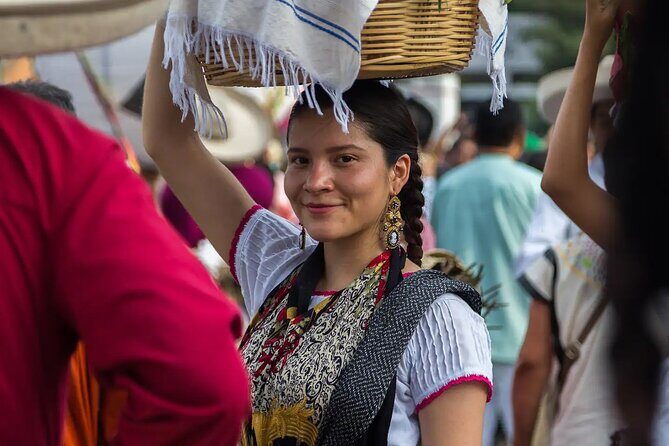
One of the most praised aspects is guidance on storytelling—how to approach scenes with sensitivity and capture real moments. That’s valuable even if your goal is just better vacation photos. When you understand what to look for, your images stop looking random.
Instead of photographing only landmarks, you end up with the kind of shots that make someone say, I can feel where that was.
How to prepare your camera and mindset before you meet
Since the session is short, preparation helps you get more out of every minute. You don’t need fancy gear, but you do need to be ready to shoot.
If you use manual mode already
Bring a setup you can control quickly. During a walking tour, the winner is consistency. If you’re switching lenses or constantly changing modes, you lose time. Keep your approach simple so you can focus on the composition and lighting changes Juan Pablo suggests.
If you’re new to manual
Before you go, do one tiny warm-up at home. Set your camera to manual and practice changing shutter speed or aperture while keeping an eye on exposure. The goal is not mastery. It’s confidence so you can follow the coaching without getting overwhelmed.
Bring the right kit for re-shooting
You’ll likely want:
- A camera with settings you can adjust quickly
- Memory space for lots of attempts
- A way to keep your camera strap secure while walking
- Cleaning cloth if you deal with street dust
Have a plan for what you want
Even a rough goal helps. For example: I want one architectural photo of Santo Domingo, plus two street portraits or daily-life scenes. When you know what you’re aiming for, you’ll learn faster because each lesson connects to a target.
Price and value: is $148.93 for 2 hours a good deal?
At $148.93 per person for roughly two hours, this is priced like a coaching session, not a general walking tour. The value comes from the mix of small group size (up to 5) and skill teaching that matches your level.
If you travel with a camera and feel stuck at the snapshot stage, this kind of guidance can save you time. Instead of spending the rest of your trip experimenting blindly, you get structured instruction in the exact environment you’re trying to photograph.
It’s also a good fit if you like learning while you walk. You get multiple photo opportunities during the same session, so you’re not paying for one quick photo stop.
The trade-off is that it’s not a slow culture tour. If your priority is mainly historical narration or lingering at viewpoints, you may feel the pressure to keep moving and shooting. But if your priority is better images with real guidance, the cost starts to make sense.
Who this Oaxaca photo walk suits best
This experience fits most travelers who want more than vacation snapshots. It’s especially good if you fall into one of these buckets:
- Beginners who want manual-mode help and a clear path to better exposure and framing.
- Intermediate or advanced photographers looking for feedback on composition, lighting, and storytelling.
- Travelers who like meeting a local professional and asking questions while walking through real neighborhoods.
It may be less ideal if you want a tour that focuses mostly on long explanations or if you’re not planning to shoot much. With a short duration, the session rewards active participation.
And because it’s capped at five travelers, you’re less likely to get lost in a crowd. You’re more likely to get individual pointers that match what you’re doing.
Quick practical tips for getting better results on the day
Here are a few things that tend to make this kind of tour click:
- Shoot before you readjust. Try the scene once, then listen for the coaching cue and apply it.
- Watch light changes as you walk. Small shifts between sun and shade often make the biggest difference fast.
- Take a few frames, then pick one direction. Don’t scatter shots everywhere. Choose one compositional idea and refine it.
- Be open to respectful subject choices. Some of the best moments come from everyday scenes, not only posed subjects.
- Keep your questions simple. If you’re unsure what to ask, a good default is: What should I change first for better results?
Should you book this Oaxaca photography experience?
I’d book it if you want to leave Oaxaca with more than memories. You’ll get a guided photo walk that teaches how to see, not just where to stand.
Book it if:
- You have a camera and want better control over your shots.
- You like learning in a small group with hands-on feedback.
- You want a mix of street scenes and a standout architecture stop at Templo de Santo Domingo de Guzmán.
Skip it if:
- You’re hoping for a long, slow cultural tour with minimal shooting.
- You don’t plan to bring and use your camera for the full session.
FAQ
FAQ
Is this tour offered in English?
Yes. The experience is offered in English, and the photographer also speaks Spanish if you prefer that during the walk.
How long is the Oaxaca photography tour?
It runs for about 2 hours.
How many people are in the group?
The group size is capped at a maximum of 5 travelers.
Where does the tour start, and does it end nearby?
It starts at Café El Volador, Plaza de la cruz de piedra, C. de Xólotl 118, Centro, Oaxaca de Juárez, and it ends back at the same meeting point.
What is the main photo stop on the route?
One highlighted stop is Templo de Santo Domingo de Guzmán.
Will I get help if I’m a beginner?
Yes. If you’re new to photography, the guidance includes instruction on using your camera in manual mode.
What is the cancellation policy?
You can cancel for a full refund if you cancel up to 24 hours in advance of the experience start time.
If you want, tell me your camera model and your current comfort level (phone, auto, or manual). I can suggest a simple setup to bring so you’re ready to shoot from minute one.