REVIEW · OAXACA CITY
Oaxacan cooking class
Book on Viator →Operated by Oaxaca by locals · Bookable on Viator
Mole tastes better when you make it. This class pairs a morning ingredient hunt at the Etla traditional market with an in-depth, hands-on cook session guided by Tita, a traditional Mixe cook, plus legends and stories shared in Mixe and translated into English. Expect a focused 5-hour rhythm that’s built around real Oaxacan technique, not just watching food happen.
I love how small-group the format is. You cook, taste, and get taught with enough attention that you can actually repeat the steps later at home. I also like that the menu leans into Oaxaca specifics: memelitas, sauces in a molcajete, and a mole you can actively choose and make yourself.
One consideration: the menu includes ingredients that are not for everyone, like grasshoppers and huitlacoche. If you’re sensitive to adventurous foods—or if you have strict dietary needs—you’ll want to think about that before you book.
In This Review
- Key points you’ll care about
- Oaxaca by Locals start: what your morning looks like
- First stop: Etla traditional market for real ingredients
- Meet Tita: the Mixe connection behind the food
- Back in the kitchen: sauce in molcajete and the memelitas foundation
- The main course focus: mole cooking and choosing your style
- What else is on the menu: a full Oaxaca sampler
- Eating time: legends in Mixe, translated into English
- Timing and pacing: a 5-hour class that moves with purpose
- Group size: why you get personal attention
- Price and value: is $140 worth it?
- Who this class suits best (and who should think twice)
- Practical tips so you get the most out of it
- Should you book this Oaxaca cooking class?
- FAQ
- What dishes will we cook or eat?
- How long is the class?
- What time does the experience start?
- Where do we meet, and where does it end?
- Is the class in English?
- Can I cancel for a full refund?
Key points you’ll care about
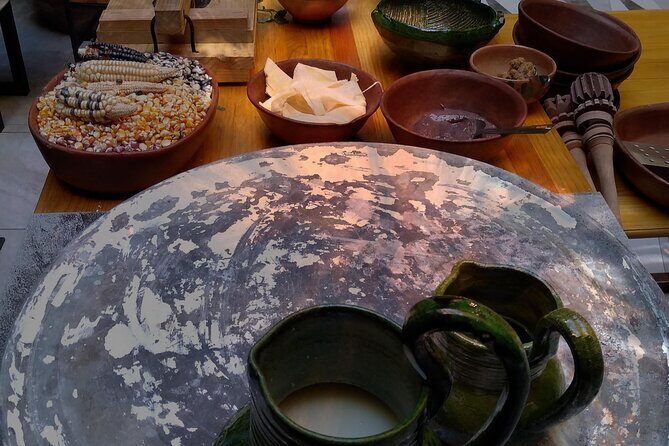
- Etla market stop for ingredients: You shop for what you’ll actually cook, including corn, chilies, seeds, cocoa, and herbs.
- Mixe cook storytelling (in English translation): You’ll eat while hearing legends and tales from Tita’s Mixe background.
- Hands-on cooking with a limited group: The class is capped at up to 8 people, and it’s designed so everyone participates.
- You can choose between two moles: Then you’ll taste and cook mole as part of the main experience.
- A meal that includes multiple Oaxacan staples: Memelitas, empanadas, water chocolate, and more.
- Take-home mole may be possible: In one class, leftover mole was frozen for participants to bring home.
Oaxaca by Locals start: what your morning looks like
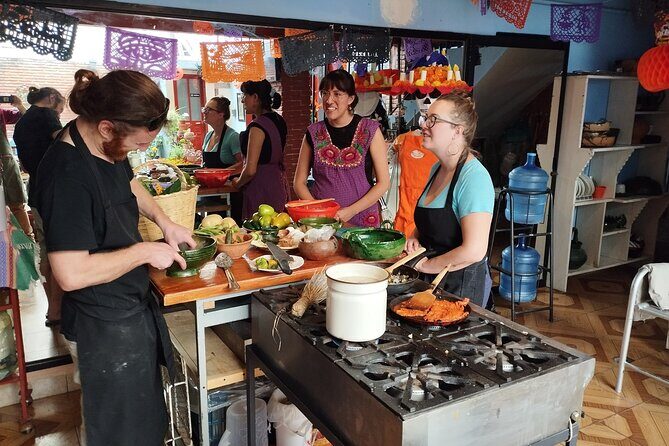
This experience begins in Oaxaca de Juárez, Centro, meeting at Oaxaca by Locals at Cosijoeza 110A, Ruta Independencia. The start time is 8:30 am, so you’ll want to build in a little buffer for traffic, street activity, and finding the exact spot before the group moves.
The good news: you’ll be near public transportation, and the class uses a mobile ticket. That means less fumbling with paperwork and more time getting ready for cooking. Since the class runs about 5 hours, plan your day so you’re not sprinting off to another tour immediately after.
If you're still narrowing it down, here are other tours in Oaxaca City we've reviewed.



First stop: Etla traditional market for real ingredients
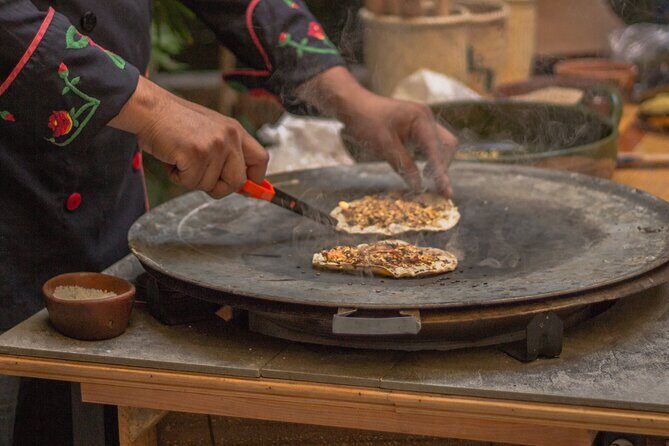
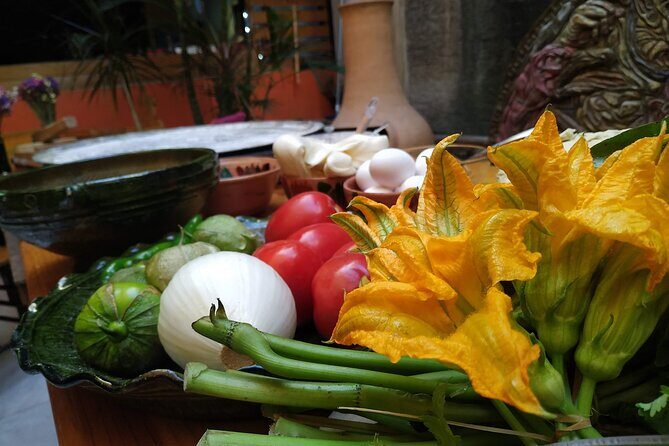
The trip to Etla is not a quick photo detour. It’s there for sourcing the ingredients that make Oaxaca cooking taste like Oaxaca. You’ll pick up what’s needed to prepare traditional dishes, focusing on core flavors like corn, chilies, seeds, cocoa, and herbs.
Why this matters for you: market shopping is where a lot of the flavor decisions get made. In Oaxaca, the difference between a decent dish and a dish that tastes “right” often comes down to ingredient quality and how they’re selected. Watching a cook’s approach helps you understand what to look for when you later try to recreate things at home.
What you’ll likely notice in the market:
- Corn and masa-based items that signal the style of local preparation
- Chilies and seeds that are chosen for aroma and balance, not just heat
- Cocoa used for chocolate drinks, including water chocolate
A small caution: markets move fast and stalls can get crowded. If you’re the type who wants slow shopping time, this still works, but keep your pace flexible and follow your group.
Meet Tita: the Mixe connection behind the food
The heart of this class is the teaching style and background of Tita, a traditional cook of Mixe origin. From the start, the experience is clearly built around passing along technique from one generation to the next. You’re not just learning recipes; you’re learning how a cook thinks.
You’ll hear legends, tales, and stories during the meal. These are told in Mixe and translated into English. That gives you context for why ingredients matter and why certain flavor combinations show up again and again in traditional Oaxaca cooking.
In practical terms, you’ll benefit from this because it changes how you cook. Instead of memorizing steps, you start building intuition: how to adjust saltiness, how mole develops, and how the “base” flavors for Oaxaca dishes connect across courses.
Back in the kitchen: sauce in molcajete and the memelitas foundation
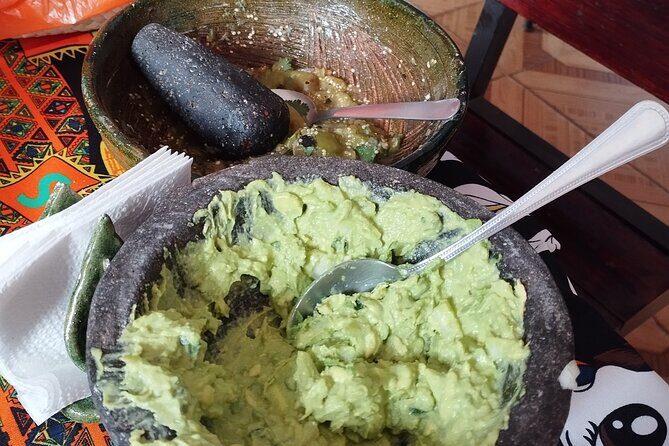
After the market, you’ll shift from shopping mode to hands-on cooking. One of the first starters is sauce in molcajete. That’s the traditional stone mortar and pestle method, and it’s a big deal here.
Why you’ll care: grinding and mixing in a molcajete isn’t just tradition for tradition’s sake. It affects texture and how spices and aromatics distribute. If you’ve ever had mole or salsa that tasted smooth in one place and sharper or chunkier elsewhere, this is part of the explanation.
Next up: memes (memelitas) as a starter, seasoned with asiento, cheese, beans, and salsa. That list matters because it shows you the Oaxaca layering method—fat, salt, and acidity working together, plus the masa platform that holds everything.
Hands-on expectation:
- You’ll build and assemble components, not just sample them.
- You’ll learn technique as you go, so you understand what’s happening in the background.
Also, one of the biggest “best parts” from recent participants is the way the chef teaches: clear, straightforward, and aimed at getting you to the results rather than drowning you in theory. If you like learning by doing, this is your lane.
The main course focus: mole cooking and choosing your style
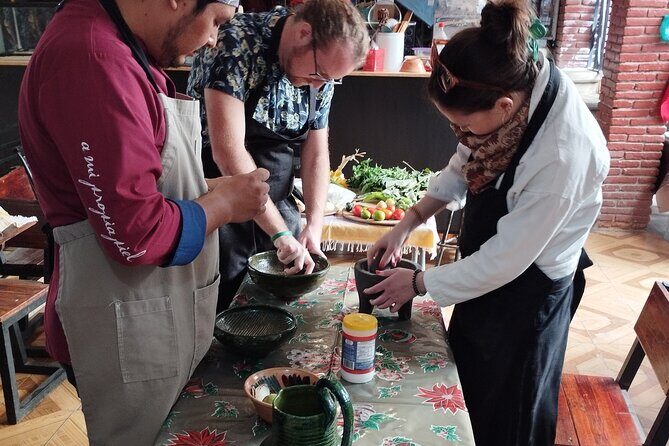
Mole is the centerpiece, and you’ll actually cook it, not just watch it. The menu includes two mole options, and you get to choose which types you’ll make. That’s a rare perk in many cooking classes, because mole can be the “one thing” everyone cares about—and here you don’t have to leave choices at the mercy of the instructor.
You’ll prepare a mole and then enjoy it during the meal (one class experience included serving mole with chicken at the end). You’ll also learn how mole fits into the larger Oaxaca flavor system, especially how chilies, seeds, cocoa, and herbs work together.
One extra value point: in one recent session, the chef froze leftover mole for take-home. If you’re thinking smart—like feeding yourself later without starting from zero—that’s a practical takeaway. Even if you don’t plan to freeze, learning the mole process still gives you a repeatable base for home cooking.




What else is on the menu: a full Oaxaca sampler
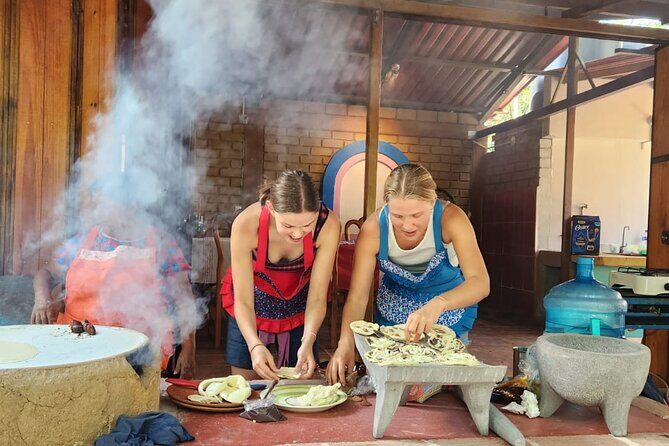
This class doesn’t treat lunch as a single dish. It’s a sequence built around different textures and traditions, including items made with corn, chilies, seeds, cocoa, and herbs.
From the menu, you should expect to see dishes such as:
- Grasshopper memelitas
- Huitlacoche memelitas
- Egg memelitas with holy grass
- Empanadas
- Mole (with your selected style)
- Water chocolate
- Mezcal
- Yolk bread
- Fresh flavored water
Here’s the practical angle: this menu helps you learn more than one technique. Masa dishes teach you assembly and seasoning balance. Empanadas teach handling and filling logic. Water chocolate and mezcal round out the meal so you understand the drink side of Oaxaca cuisine, not just the food.
If you’re wondering about adventurous flavors, this is where to pay attention. Grasshoppers and huitlacoche are real Oaxacan traditions, but they can be surprising the first time. If you’re curious, this class gives you a guided way to taste them. If you’re not, you’ll need to decide how strongly you want to explore Oaxaca’s culinary identity.
Eating time: legends in Mixe, translated into English
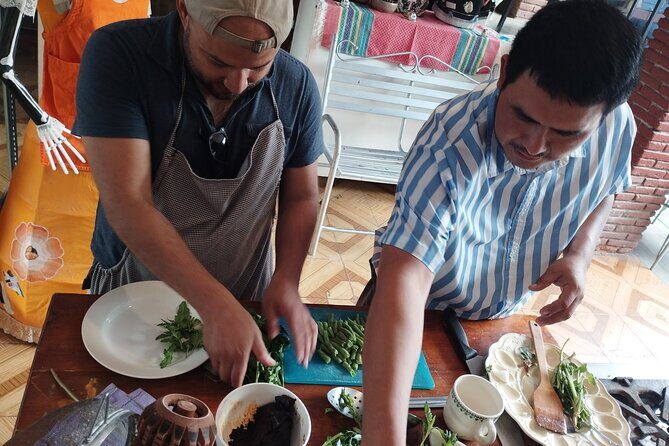
One of the most memorable parts is how the meal is structured around storytelling. As you eat, you’ll listen to legends and tales connected to Tita’s background and translated into English.
This does two helpful things for you:
- It gives the food meaning beyond the plate.
- It makes the meal feel like a shared cultural moment instead of a scripted demo.
For food learning, that matters. When you understand the story behind why a dish exists, it’s easier to remember what you cooked and why the flavors work. Plus, it makes the 5 hours feel like one cohesive experience instead of a series of disconnected tasks.
Timing and pacing: a 5-hour class that moves with purpose
The class runs about 5 hours, starting 8:30 am. Expect the day to feel intentional: market first, then cooking, then eating. That pacing is a big part of why the class works for practical people.
A smart strategy for you:
- Come ready to participate. If you go in hungry and attentive, you’ll get more out of every step.
- Take notes on what you choose. Mole selection and seasoning decisions are the things you’ll want to remember when you recreate it later.
Because the schedule is compact, it also isn’t a good fit if you want lots of free time to wander. This is structured for learning and eating, not roaming.
Group size: why you get personal attention
This is where the class earns its high marks. The group is described as limited—designed so you get personal service—with a cap listed up to 8 travelers. Small groups change everything: you’re more likely to get hands-on help when you need it, and you can ask questions without the instructor losing the room.
From the strongest feedback, two themes keep repeating:
- The teaching style is simple and clean, focused on getting results.
- The chef shares family techniques, including grandmother-style mole methods.
If you’re a food lover who wants more than a ticket to a meal, this size is ideal. It’s also good for couples and small groups who want a lively class atmosphere without getting lost in crowds.
Price and value: is $140 worth it?
At $140 per person for about 5 hours, you’re paying for three things at once: market ingredient sourcing, active cooking instruction, and a full meal with drinks. For Oaxaca, that puts it in the category where you’re not just buying dinner—you’re buying the ability to recreate the flavor at home.
Here’s how I’d frame value for you:
- If you’ve taken cooking classes where you mostly watch and eat, this one is built for participation. That makes the price feel more justified.
- If you care about mole, you’re getting choice between two mole types, plus guided cooking steps. That’s the kind of detail that often costs extra elsewhere.
- The meal includes multiple dishes and drinks, so you’re not paying $140 for one plate of food.
One more value angle: the market component gives you an education that doesn’t end at the last bite. Even if you never cook the exact menu again, you’ll understand what ingredients matter and why.
Who this class suits best (and who should think twice)
This experience fits best if you:
- Want a hands-on Oaxaca cooking lesson, not a sit-and-smile workshop
- Love mole and want real technique, including choosing a mole style
- Are curious about traditional ingredients like huitlacoche or grasshoppers
- Enjoy meals that include stories and context, not only instructions
You might think twice if you:
- Strongly dislike foods like grasshoppers or huitlacoche
- Need very specific dietary accommodations that aren’t addressed by the class details you have
- Prefer an unstructured tour day rather than a schedule-driven cooking flow
Practical tips so you get the most out of it
- Bring an open mind about the menu. The most memorable meals in Oaxaca often include ingredients that feel unusual at first.
- If you want to recreate mole later, focus on your chosen mole type and the flavor progression you taste during cooking.
- Wear comfortable clothes. You’ll be cooking and assembling multiple dishes in a single session.
Should you book this Oaxaca cooking class?
I’d recommend booking if you want an authentic Oaxacan cooking day centered on mole and masa dishes, taught with a personal, small-group approach. The Etla market stop adds real value because you’re sourcing the ingredients you’ll use, and the class is built to leave you with skills you can repeat at home.
If you’re on the fence about the more adventurous menu items, decide based on your curiosity. This isn’t a generic cooking show. It’s a working culinary tradition, and that means you’ll taste what locals actually cook.
FAQ
What dishes will we cook or eat?
The menu includes grasshopper memelitas, huitlacoche memelitas, egg memelitas with holy grass, empanadas, mole, water chocolate, mezcal, yolk bread, and fresh flavored water. Starters include sauce in a molcajete and memes (memelitas) seasoned with asiento, cheese, beans, and salsa.
How long is the class?
It runs for about 5 hours.
What time does the experience start?
It starts at 8:30 am.
Where do we meet, and where does it end?
You meet at Oaxaca by Locals, Cosijoeza 110A, Ruta Independencia, Centro, 68000 Oaxaca de Juárez, Oax., Mexico. The activity ends back at the meeting point.
Is the class in English?
Yes. The experience is offered in English.
Can I cancel for a full refund?
Yes. Free cancellation is available, and you can cancel up to 24 hours in advance for a full refund.