REVIEW · OAXACA CITY
Oaxacan Dinner on Agronomic Biodiversity
Book on Viator →Operated by Etnofood Experiencias · Bookable on Viator
Dinner here starts in Oaxaca’s fields. I love the Zapotec-led approach and the way they teach organic mezcal pairings, not just pour alcohol. The one consideration: the menu leans on pre-Hispanic ingredients and seasonal surprises, so you’ll want a flexible palate and a sense of fun.
This is a small, 2-hour dinner in central Oaxaca City, starting at 7:30 pm at EtnofoodXicoténcatl 609, Centro. With a max of 8 people and English offered, it’s the kind of evening that feels more like a guided meal than a big restaurant production.
In This Review
- Key highlights worth your attention
- Oaxacan dinner built on living farms, not a standard menu
- Price and logistics: what $59.51 buys you (and what it doesn’t)
- Where it happens in Oaxaca City: meeting at EtnofoodXicoténcatl 609
- Teolab and the first taste of pre-Hispanic Oaxaca
- The course plan: entrance, main dish, and a seasonal closing plate
- Mezcal as a pairing lesson, not just a drink
- Agronomic biodiversity on your plate: flowers, tubers, and seeds
- Who cooks here, and who just watches?
- Drinks, water, and the pacing of a 2-hour evening
- Atmosphere and why small-group dinners work
- Should you book? Quick decision guide
- FAQ
- What is the location for the dinner?
- What time does the experience start?
- How long is the dinner experience?
- How much does it cost?
- Is the experience offered in English?
- How many people are in the group?
- What food and drinks are included?
- Is private transportation included?
- Can I participate in cooking?
- Is confirmation provided after booking?
- Is there free cancellation?
Key highlights worth your attention
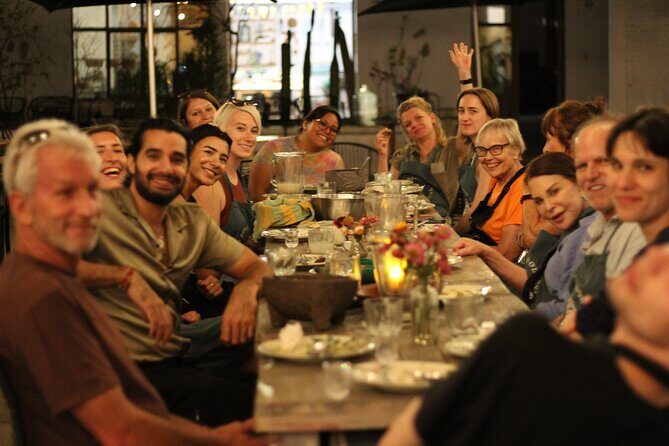
- Small group dinner (max 8): more conversation, less waiting around.
- Zapotec cook at the center: traditional flavors explained through cooking.
- Agrobiodiversity on the menu: locally grown plants, tubers, and flowers show up in courses.
- Mezcal pairing lessons: you learn how to combine mezcal with Oaxaca flavors.
- All-prepared-in-house pacing: slow processes in their kitchen, not a rushed lineup.
Oaxacan dinner built on living farms, not a standard menu
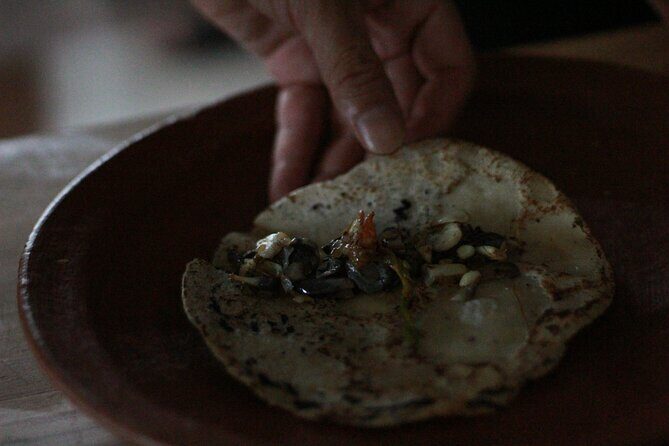
This meal has a clear point of view: Oaxaca cuisine should be understood through what the region grows. You’re not just eating a set of dishes. You’re watching how local ingredients become flavor, guided by a traditional Zapotec cook and structured around agronomic biodiversity.
I like that the focus stays practical. They’re not treating agriculture like a museum topic. They connect it to what you taste in front of you—flowers, tubers, and plants—plus seeds such as corn, amaranth, and cocoa. That makes the dinner feel like a living lesson you can actually use on your next food stop in town.
The “watch for surprises” bit matters. One course is explicitly described as a surprise depending on seasonal products. If you only want predictable flavors, this style might feel a little spontaneous. If you enjoy discovery, it’s a big plus.
If you're still narrowing it down, here are other tours in Oaxaca City we've reviewed.



Price and logistics: what $59.51 buys you (and what it doesn’t)
At $59.51 per person for about 2 hours, you’re paying for a full dinner experience, not just a meal. What’s included is substantial: dinner itself, alcoholic beverages (mezcal is part of the program), coffee and/or tea, and filtered water served without a bottle. They also include the materials and supplies used for the cooking portion.
What isn’t included is private transportation. That’s common for small food experiences in cities, and it means you’ll likely rely on walking or public transit. The good news: the meeting point is listed as near public transportation, and the start point is in the Centro area, which is usually easy to reach from where most people stay.
The best way to think about value here: you’re paying extra for the setting and teaching—Zapotec cooking, local ingredients, and mezcal pairing talk—served in a small group format. If you like food with context, the price makes sense fast.
Where it happens in Oaxaca City: meeting at EtnofoodXicoténcatl 609

Your evening starts at EtnofoodXicoténcatl 609, Centro, Oaxaca de Juárez. The activity begins at 7:30 pm and ends back at the meeting point, so you’re not stuck wandering afterward with a full stomach and a long walk home.
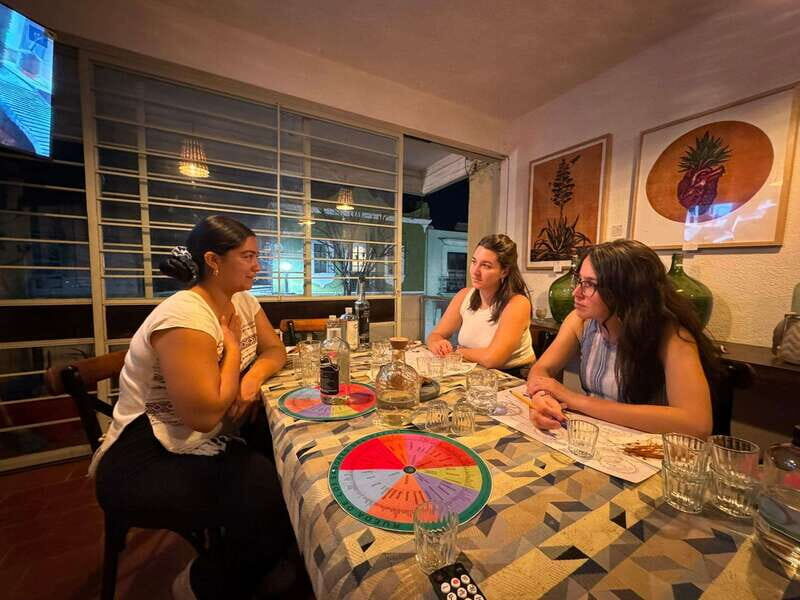
Expect a compact setup. The tour is capped at 8 travelers, so this isn’t the kind of dinner where you’re herded through courses while staff focus on speed. Instead, it’s designed for interaction—especially if you want to cook.
If you’re planning your night, treat 7:30 pm as the anchor. This is a dinner you build around, not something you tack on after something else late.
Teolab and the first taste of pre-Hispanic Oaxaca
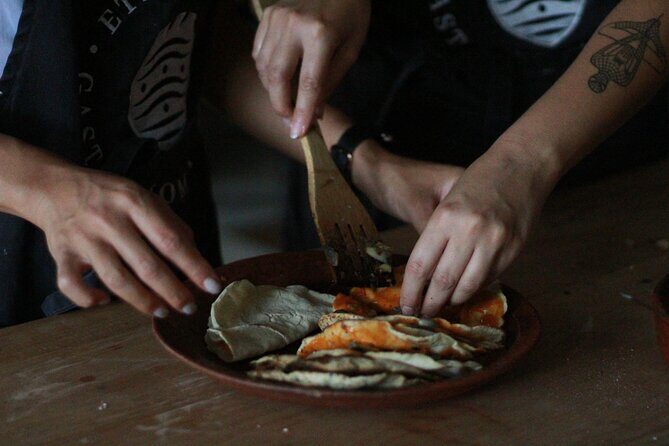
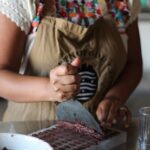
The dinner includes a first stop at Teolab. This is where you shift from being a visitor to being part of the kitchen rhythm. The experience is built around preparation, not just presentation, so you’ll see cooking in progress and learn why each step matters.
You’re also set up for the flavor logic of Oaxaca. The program explains that Zapotec cuisine has deep pre-Hispanic roots, but it also includes the flavors that came with the European conquest. In other words, you’re not only looking backward—you’re tasting the blend that shaped modern Oaxaca food.
This matters because some people arrive expecting only one style of Oaxaca cuisine. Here, you get the broader picture: indigenous foundations plus later influences, all interpreted through local ingredients grown in the region.
The course plan: entrance, main dish, and a seasonal closing plate
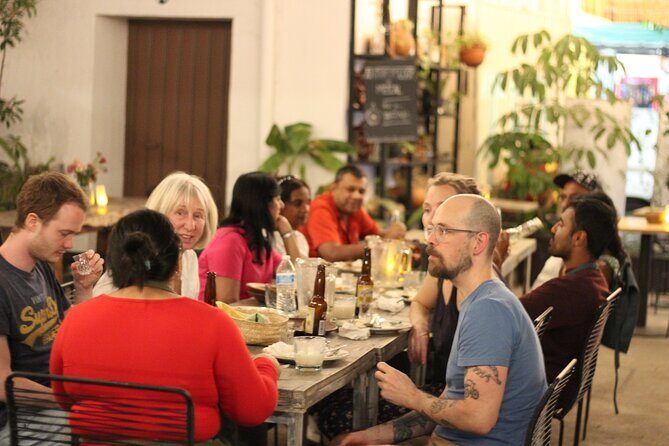
The menu is structured like a proper dinner, with multiple steps so you can notice how flavor builds.
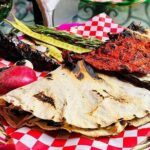
You’ll start with an entrance course described as pre-Hispanic. That’s your cue that the evening will connect old ingredient ideas to current cooking. Then comes the main dish, which includes:
- a pre-Hispanic Oaxacan dish
- plus another dish designed specifically for the unique experience in the city, with preparation you can see
For dessert, the program ends with a closing plate, and this part depends on what’s in season. That seasonal element is a key detail of this dinner style. It means you won’t get the exact same dessert if you come on different dates, and it’s a big reason the meal can feel personal.
The practical takeaway: eat the whole meal with curiosity. Don’t try to compare every course to a restaurant you already know. The value here is learning how local ingredients behave across multiple courses.




Mezcal as a pairing lesson, not just a drink
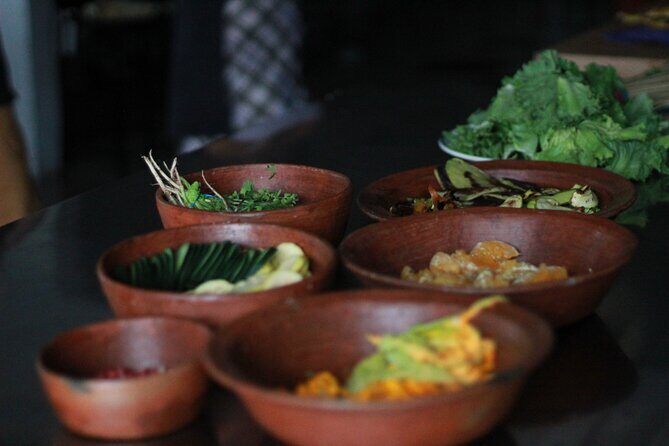
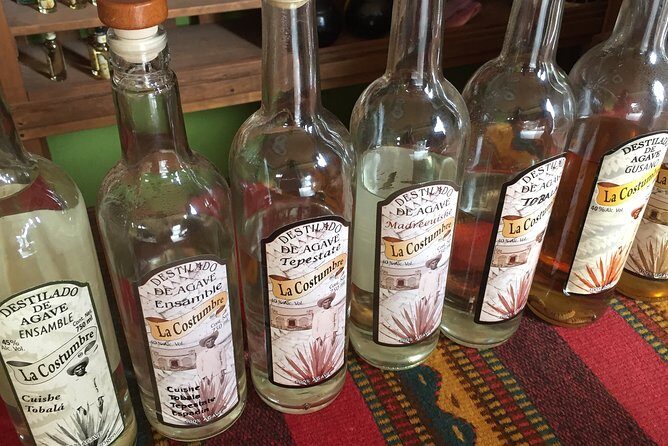
Mezcal shows up as more than a beverage. The experience explicitly includes talking about how to combine a good organic mezcal with the flavors of Oaxaca. That’s a smart approach because mezcal can be intense if you treat it like tequila. Here, they frame it as something that can harmonize—or clash—depending on what’s on your plate.
You’re also told that the mezcals are part of a cooperative with which they collaborate. You don’t have to read between the lines to see what they’re aiming for: relationships matter, and the alcohol is tied to people and process, not just branding.
If you’re already a mezcal fan, you’ll likely enjoy the pairing focus. If you’re new, this is one of the better ways to learn because you’re not memorizing tips in theory. You’re eating your way through the lesson.
Agronomic biodiversity on your plate: flowers, tubers, and seeds
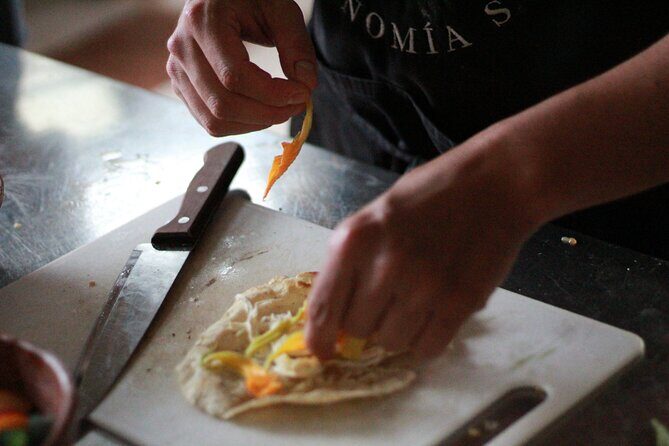
This is where the experience gets genuinely different from a typical cooking class or restaurant dinner. The program is built around using local flowers, tubers, and plants—and it also mentions sharing seeds such as corn, amaranth, and cocoa so you can learn about Oaxaca gastronomy in depth.
That might sound like a lot of buzzwords, but the practical point is simple: Oaxaca has many edible plants beyond the usual staples. When you taste them in a planned course sequence, you start to understand how the region’s agriculture shapes its cuisine.
You’ll also notice the slow pace of preparation. The dinner is described as all products being prepared in their kitchen, with processes carried out slowly. Slow cooking can mean richer textures and deeper flavors, but here it also functions as a teaching tool—time for explanations, time for you to ask questions, and time for ingredients to show their character.
Who cooks here, and who just watches?
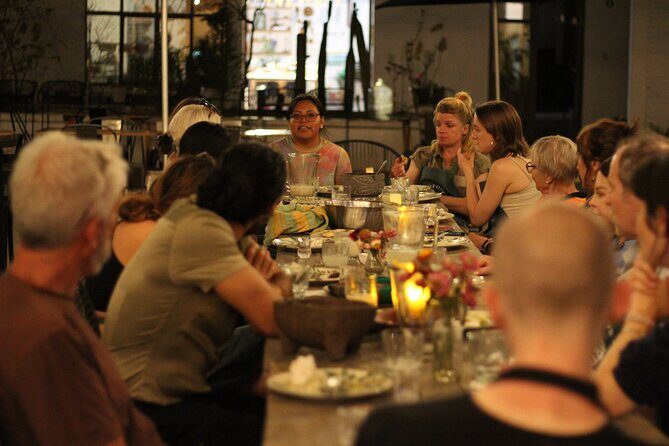
The experience is aimed at people who want to cook. It includes materials and supplies, which tells you they designed the format for active participation, not passive dining only.
Still, the most honest way to plan is this: if you enjoy hands-on food work, you’re in the right place. If you prefer to learn by watching, you should still get value because the evening includes visible preparation and explanation—especially around mezcal pairing and the pre-Hispanic dish elements.
Either way, the small group size helps. With only up to 8 travelers, you’re more likely to get direct interaction, whether that means asking questions or stepping into the prep.
Drinks, water, and the pacing of a 2-hour evening
The program includes alcoholic beverages, plus coffee and/or tea, and bottled water is not part of the service. Instead, you get filtered water without a bottle. That’s a small detail, but it supports the overall sense that the dinner runs as a coherent meal service with consistent choices.
The total duration is about 2 hours. That’s a good length for an evening class/dinner because it’s long enough for a full course arc and mezcal conversation, but not so long that you’ll feel trapped.
If your schedule is tight, this is one of the easier evening plans to fit in. You start at 7:30 pm, you finish back at the meeting point, and you won’t be chasing an extra reservation afterward.
Atmosphere and why small-group dinners work
A dinner like this works best because it’s small. With a max of 8 people, the cook and host can spend time on ingredients and cooking steps instead of just moving people through.
It also helps that the dinner is presented with traditional flavors of grandmothers and the Zapotec cultural connection—meaning you’re not only learning recipes. You’re learning why the food matters in Oaxaca.
One more point I appreciate: the dinner is framed as indigenous cuisine with local flavors, plus the blend that came through conquest. That structure avoids the usual “single-note” approach. You get pre-Hispanic influence and European-era influences in the same dining story.
Should you book? Quick decision guide
Book this if you want more than dinner. I’d recommend it to you if you enjoy farm-to-table food logic, want to learn how Oaxaca ingredients connect to flavor, and like mezcal with context rather than just alcohol.
Skip it or choose a different option if you can’t handle the idea of seasonal surprises or you strictly want familiar, restaurant-style plates without explanation. The menu is designed to teach, and that means it may not mirror what you expect from a standard Oaxaca meal.
If you’re in Oaxaca City for a short stay, this is also a smart use of time. One evening covers cooking technique, local ingredients, and mezcal pairing talk, all in one compact program at 7:30 pm.
FAQ
What is the location for the dinner?
The meeting point is EtnofoodXicoténcatl 609, Centro, 68000 Oaxaca de Juárez, Oaxaca, Mexico, and the experience ends back at the meeting point.
What time does the experience start?
It starts at 7:30 pm.
How long is the dinner experience?
It lasts about 2 hours.
How much does it cost?
The price is $59.51 per person.
Is the experience offered in English?
Yes, English is offered.
How many people are in the group?
The group is limited to a maximum of 8 travelers.
What food and drinks are included?
Dinner is included, along with alcoholic beverages, coffee and/or tea, and filtered water (served without a bottle).
Is private transportation included?
No, private transportation is not included.
Can I participate in cooking?
The experience is for people who want to cook, and materials and supplies are included for the preparation.
Is confirmation provided after booking?
Yes, confirmation is received at the time of booking.
Is there free cancellation?
Yes, you can cancel for a full refund if you cancel up to 24 hours in advance of the experience start time.