REVIEW · OAXACA CITY
Paint your Alebrije with the Jimenez family.
Book on Viator →Operated by Cesar Morales · Bookable on Viator
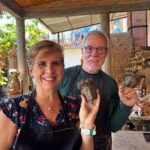
Want to paint a living legend? I loved the private access to Armando Jiménez’s family workshop and the fact you learn the whole craft process, from carving wood to color and design. You also get the story behind how alebrijes took shape with Armando’s grandfather Manuel Jiménez in 1950, then you paint your own figure right there. The only real tradeoff is that mobility can be a factor in and around a working studio, so think ahead if you have limited movement.
My second favorite part was having Cesar Morales as your guide—clear, prompt, and great at translation when Armando speaks Spanish. You’ll also have included snacks and bottled water to keep things comfortable during the drive and hands-on time.
This experience is private and customizable for just your group, and the pace feels unhurried. Plan on up to two hours painting, plus time to browse the family gallery; just know you won’t have a long free window to wander Arrazola independently.
In This Review
- Key highlights you’ll actually care about
- Oaxaca’s alebrije workshop, but in the place it started
- Cesar Morales pickup and the smooth ride to Arrazola
- The Jiménez family workshop lesson: carving, natural color, then design
- Your alebrije canvas: choosing the wooden animal figure
- Painting tips that make your alebrije look better fast
- The studio vibe: aprons, a covered space, and feeling welcome
- Gallery time: buying with confidence (and avoiding early shopping regret)
- Timing and pacing: why 4 hours works well
- Who should book this alebrije painting session?
- Value check: what you get for your time
- Should you book? My quick take
- FAQ
- How long is the alebrije painting experience?
- What time does the tour start?
- Is this a private activity?
- Do they provide art supplies?
- Is the tour offered in English?
- What should I bring?
- Are snacks and drinks included?
- Where is the meeting point?
- What is the cancellation policy?
- Is the tour suitable for most travelers?
Key highlights you’ll actually care about
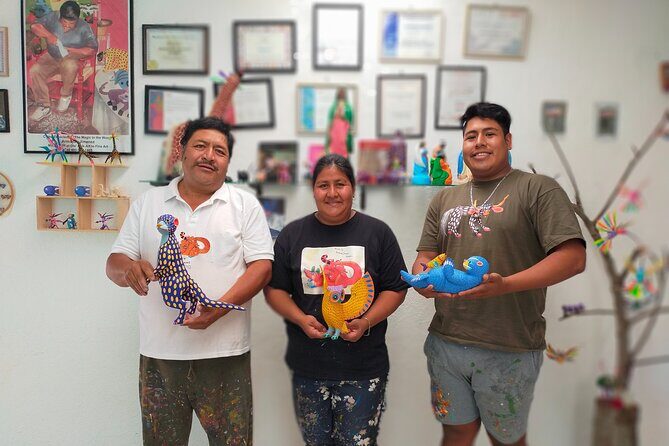
- Arrazola’s alebrije roots, explained in plain language: the craft’s origin story with Manuel Jiménez (famous for wooden alebrijes starting in 1950).
- Meet Armando Jiménez and his family at their workshop: you’re not just watching from the outside.
- Real creation process, from carving to acrylic painting: including how natural colors come from local sources before paint work.
- Supplies included for your own alebrije: brushes and colors are provided, and you choose a small plain wooden animal to start.
- A personal guide with easy English support: Cesar Morales translates and keeps the experience moving smoothly.
- Snacks and drinks during the session: enough to keep you comfortable while you create.
Oaxaca’s alebrije workshop, but in the place it started
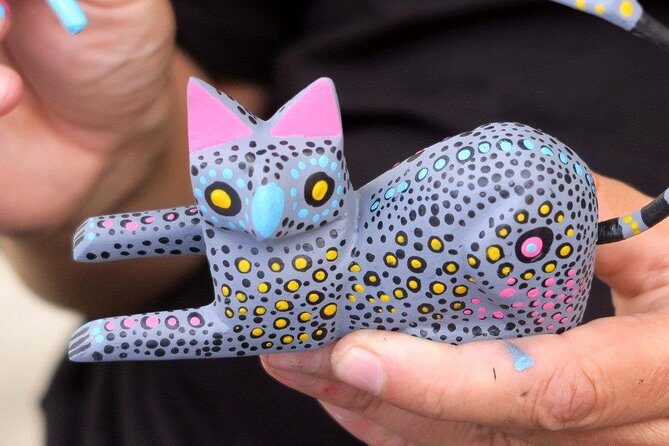
If you want Oaxaca that feels like a craft you can touch—not just a photo stop—this Arrazola visit is the right kind of different. You travel from Oaxaca City to the small village of Arrazola, where the alebrije tradition began within this family line.
The magic here isn’t fancy theater. It’s the moment when you see wood carving methods, then watch how the colors and patterns get built up. Armando Jiménez and his family are making alebrijes for more than 30 years, and the workshop connection to their grandfather Manuel Jiménez (wooden alebrijes gaining fame around 1950) gives the whole afternoon a solid “this is how it’s done” feeling.
And then comes the best part: you paint.
If you're still narrowing it down, here are other tours in Oaxaca City we've reviewed.


Cesar Morales pickup and the smooth ride to Arrazola
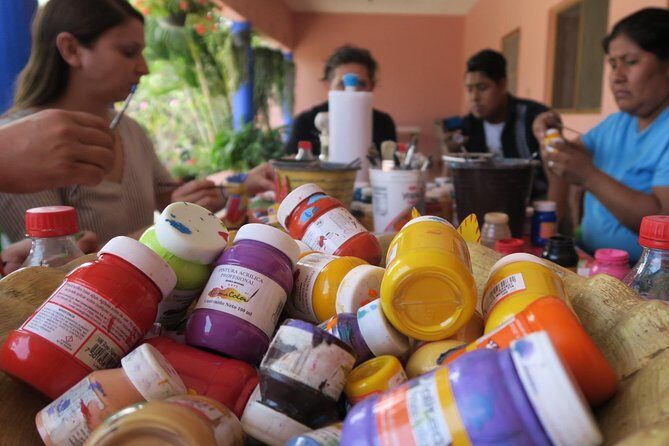
Your tour starts at Usana Distribuidor Laura Juárez, in Oaxaca City (C. de Manuel García Vigil 504, Centro, 68000 Oaxaca de Juárez). The start time is 10:00 am, and the activity runs for about 4 hours total.
You’ll go in comfortable private transport, which matters more than it sounds. Arrazola is small, and part of the day is focused on creation, not logistics. Having a guide handle the driving and timing means you can show up, concentrate, and enjoy the lesson without constantly checking maps.
Cesar Morales is also the kind of guide who keeps the vibe friendly and on track. Several people point out he’s punctual and easy to be with, and the English translation is there when Armando explains the process in Spanish. That’s a big deal if you want to ask questions and actually understand what you’re seeing.
The Jiménez family workshop lesson: carving, natural color, then design
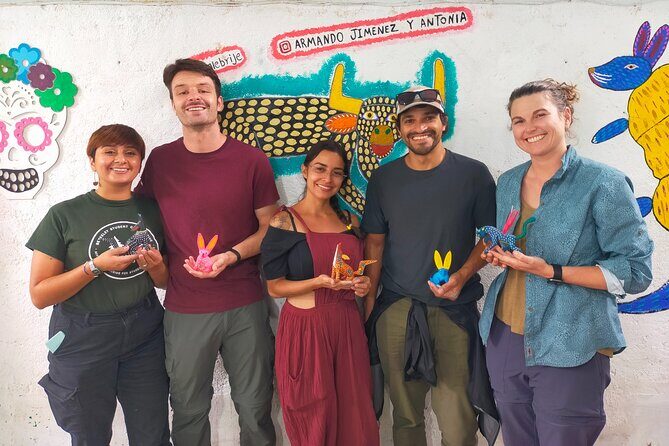
Once you arrive in Arrazola, you’ll meet Armando Jiménez and family and settle in for the craft lesson. This is the part that turns “pretty folk art” into something you can explain.
Here’s what you can expect the family to teach you:
- Carving the wood into the shape of an animal figure.
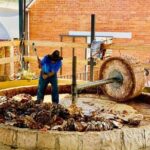
- Building natural colors first, using local ingredients such as fruits, insects, and minerals.
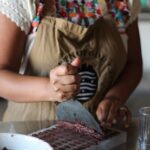
- Painting the figure in the traditional design using acrylic paint.
This mix matters. You get both the “materials” story and the “how it’s made” story. And you can see why their alebrijes don’t look random. Patterns and layers follow a way of thinking that’s been refined over generations.
If you care about cultural context, this is where it lands. You’re hearing how Manuel Jiménez became famous for wooden alebrijes in 1950, then how that legacy continues with Armando’s workshop today. It’s not a lecture you have to endure. It’s the lead-in to your own hands-on time.
Your alebrije canvas: choosing the wooden animal figure
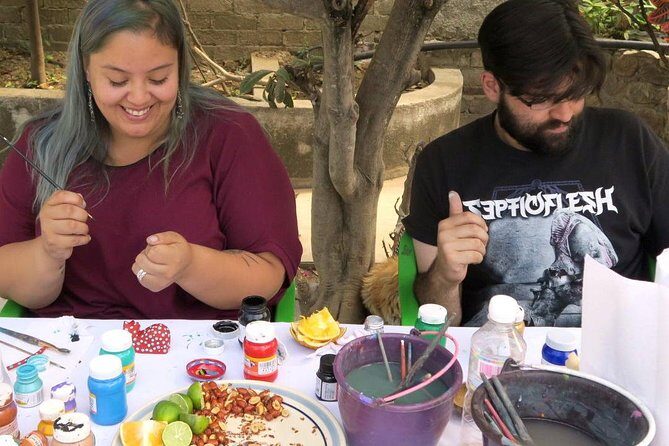
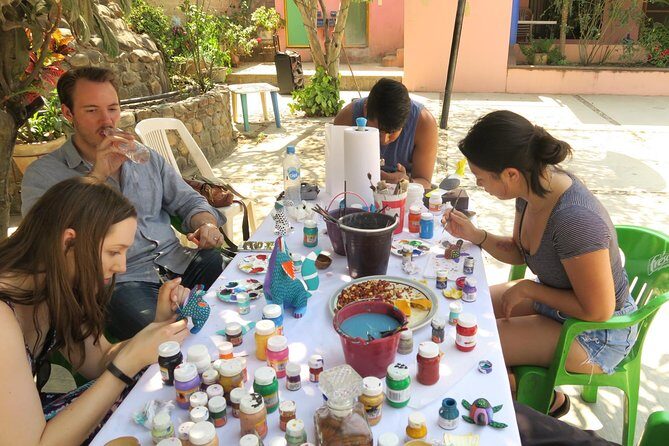
After the explanation, it’s time to pick your piece. You’ll choose a small plain wooden animal figure to paint yourself, and the painting portion can take up to about two hours.
You’re given the basics so you can focus on making choices:
- brushes
- colors
- and a guided sense of how the traditional look is built (so you’re not stuck staring at blank wood)
You can also use inspiration from a look book of other alebrijes the family has painted. That helps if you want something patterned but still want your own touch.
One useful thing: this is a “create” experience, not a “test.” People who don’t consider themselves artists often find their alebrije comes out surprisingly well because the tools and guidance are already there. You’re not expected to paint like a pro. You’re expected to enjoy the process.
Painting tips that make your alebrije look better fast
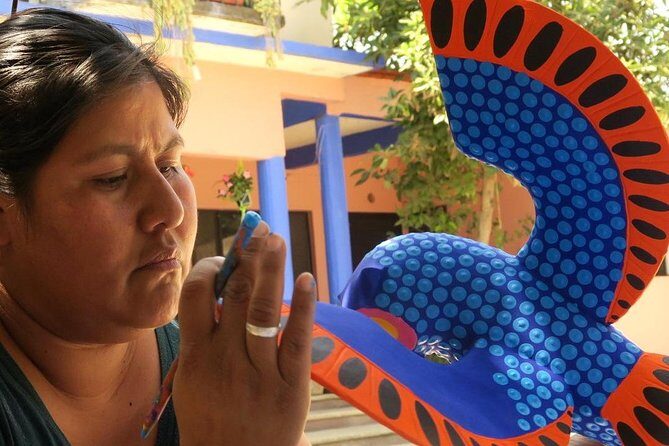
Painting a wooden figure sounds simple until you’re holding a brush and realizing tiny details take patience. The good news: the workshop approach makes it doable.
Here are the practical tips that help most:
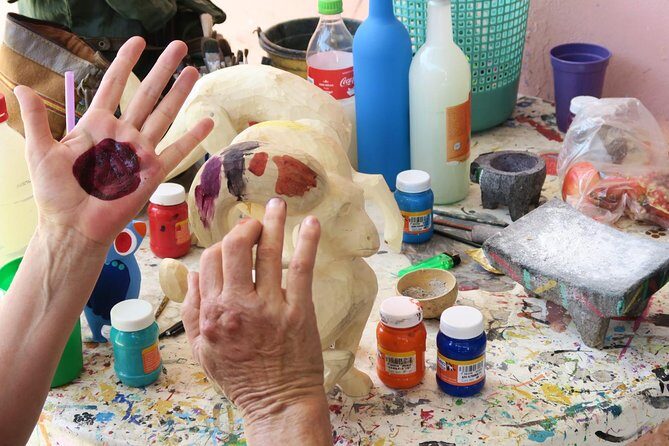
- Start with a lighter base color. It makes later colors pop and keeps your design looking intentional.
- Let each layer dry before adding the next one. This is the difference between crisp patterns and muddy paint.
- Use the skinny ends of stick-like tools for dots and small details. Those little marks are what often make animals look alive.
You’ll have time. In fact, people describe the afternoon as paced well, with enough time to finish without feeling rushed. One comment even broke down the rough day rhythm as: about 30 minutes each way for the drive, then the main block for Armando’s talk, painting, and browsing.
If you want a stress-free souvenir, this is one of the few workshops in Oaxaca where you leave with something you personally made, not just something you bought.



The studio vibe: aprons, a covered space, and feeling welcome
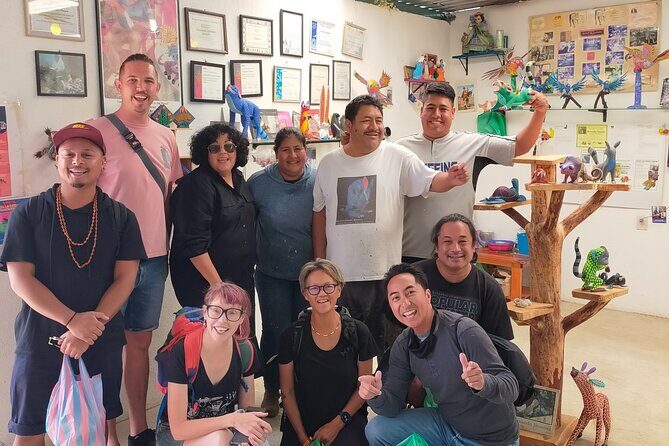
The studio setup is built for comfort while you paint. In multiple accounts, people mention a covered patio area and aprons while painting. That matters on warmer days, especially because the workshop part of the afternoon is long enough that you’ll notice if the space is miserable.
Also, the family and Cesar create a friendly tone. The lesson portion feels respectful, but not stiff. You can ask questions, and if translation is needed, Cesar is ready to help so you don’t miss key details.
And yes, you’ll get refreshments during the experience. The tour includes snacks and bottled water, and some people add that they were offered drinks like soda and even beer during the session. Either way, plan to stay fueled, because you’ll be hands-on for hours.
Gallery time: buying with confidence (and avoiding early shopping regret)
Once painting wraps up, you can check the families gallery for more souvenirs. This is where Armando and the family’s work really shows—pieces with more time, more complexity, and the kind of finish you can’t recreate perfectly on your first try.
Here’s a smart tip if you’re shopping: don’t rush into buying alebrijes in Oaxaca City before you come here. The family workshop prices are often seen as more affordable, and the craftsmanship is described as very solid. Plus, you’ll see their style up close after learning the process, so you can buy with clearer taste.
You also get flexibility in how you pay. Multiple people mention card and cash were both accepted, which makes it less stressful if you’re not carrying the exact amount.
Timing and pacing: why 4 hours works well
Four hours can sound short, but this one fits the format. You get transportation time, the origin lesson and process explanation, and then the long hands-on painting window.
What I like about this pacing is that it avoids the common “workshop squeeze,” where you’re rushed through instructions and never settle into your creative flow. Here, the painting time is substantial enough that you can actually finish your figure and feel good about it.
One caution: if your travel style includes roaming small towns on foot, Arrazola itself isn’t where you’ll get a long independent wandering moment. The day is built around the workshop. So if you want town photos, plan to do that elsewhere or after the tour time ends.
Who should book this alebrije painting session?
This is a great fit if you want Oaxaca craft culture in a hands-on, personal format.
It tends to work well for:
- families with kids who enjoy making things (many accounts say it’s a top Oaxaca activity for children)
- couples and friends who want a quieter, creative day instead of a nonstop sightseeing checklist
- solo travelers who like structured time and one-on-one conversation when needed
- anyone who wants a souvenir that’s personal, not mass-produced
A real-world consideration: the workshop experience involves time in a working studio environment, and some people note accessibility can be limited. If you have mobility constraints, it’s worth thinking through how you’ll manage steps or uneven ground and whether you’ll feel comfortable during the painting session.
Value check: what you get for your time
Even without exact pricing listed here, the value of this experience is clear in what’s included. You’re paying for more than a “class.” You’re paying for:
- private transport from Oaxaca City
- a full explanation of carving, natural color sources, and acrylic painting patterns
- supplies (brushes and colors) to create your own alebrije
- snacks and bottled water to keep you comfortable
- an English-speaking guide, Cesar Morales, to make sure you understand what’s happening
If you’ve ever bought a handmade souvenir in Oaxaca, you know the difference between something you choose carefully and something you pick up quickly at random. This workshop gives you that “I understand what I’m looking at” advantage, and it also gives you a made-by-you piece to take home.
Should you book? My quick take
Book this if you want your Oaxaca day to include real making, not just watching. The combination of the Jiménez family’s workshop connection, the origin story tied to Manuel Jiménez, and the chance to paint your own wooden alebrije makes it one of the more memorable creative experiences in the Oaxaca area.
Skip it or think carefully if you need a highly accessible environment or you’re hoping for lots of free time to explore Arrazola on your own. Otherwise, it’s an easy yes for families, couples, and anyone who likes practical creativity with a cultural story you can actually repeat later.
FAQ
How long is the alebrije painting experience?
It runs for about 4 hours (approx.), with time for travel, the workshop lesson, painting, and a stop at the family gallery.
What time does the tour start?
The start time is 10:00 am.
Is this a private activity?
Yes. It’s private, so only your group participates.
Do they provide art supplies?
Yes. All necessary art supplies are provided, and you’ll choose a small plain wooden animal figure to paint yourself.
Is the tour offered in English?
Yes, it’s offered in English. Cesar Morales can translate if needed.
What should I bring?
You don’t need to bring art supplies. If you can, eat a good breakfast before you go since it’s focused on the workshop session and the day is about creating.
Are snacks and drinks included?
Yes. Snacks and bottled water are included, and you’ll be kept refreshed during the session.
Where is the meeting point?
The meeting point is Usana Distribuidor Laura Juárez, C. de Manuel García Vigil 504, Centro, 68000 Oaxaca de Juárez, Oax., Mexico.
What is the cancellation policy?
Free cancellation is available up to 24 hours in advance of the experience for a full refund. If you cancel less than 24 hours before, you won’t receive a refund.
Is the tour suitable for most travelers?
Most travelers can participate, and service animals are allowed.