REVIEW · OAXACA CITY
Magical Route Oaxaca Tule, Mitla, Boil Water and Mezcal
Book on Viator →Bookable on Viator
A day like this is why Oaxaca gets under your skin. You’re rolling through Santa María del Tule and Hierve el Agua with enough time at each stop to actually look around, not just pose and rush off. I love how the route mixes big visual wow with real local craft and a proper mezcal visit. One heads-up: if you want the full Hierve el Agua experience, don’t forget a swimsuit and sunblock.
This is also the kind of tour that respects your day. In a small group capped at 20 people, you get guided time for the tree’s traditions, the wool-and-dye process in Teotitlán del Valle, and the exact meaning behind Mitla’s geometric stonework. You might also get standout guidance from local experts like Eduardo, who has been specifically thanked for helpful recommendations around the buffet stop.
In This Review
- Key takeaways before you go
- A 9-hour Oaxaca road trip with craft, ruins, and mezcal
- Price and value: what $65.77 gets you (and what it doesn’t)
- Morning logistics from Oaxaca City: where to meet and how to plan your timing
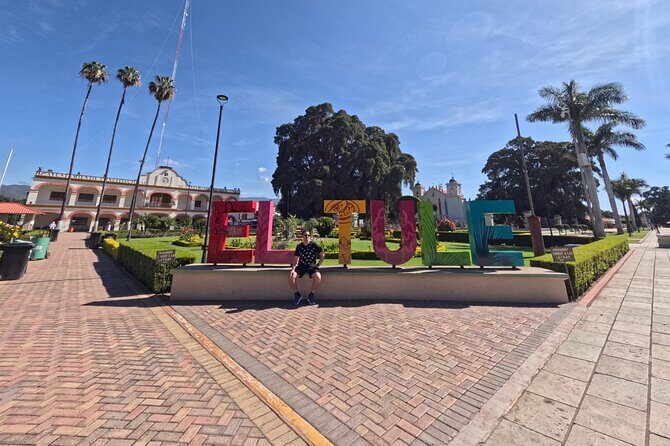
- Santa María del Tule: the millennial tree you can walk around
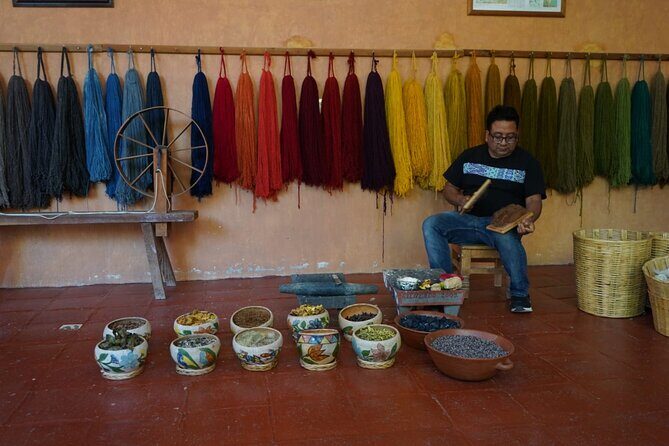
- Teotitlán del Valle weaving: wool mats, cochineal dye, and Zapotec patterns
- Mitla’s grecas and the geometry of life and death
- Hierve el Agua: petrified waterfalls, trails, and that natural pool moment
- El Rey de Matatlan mezcal: from agave to tasting
- Practical tips that make this day smoother
- Should you book the Magical Route Oaxaca: Tule, Mitla, Hierve el Agua and mezcal?
- FAQ
- Is the tour offered in English?
- How long is the tour?
- Where do I meet the group, and what time does it start?
- What stops are included?
- Is food included?
- Do I need a swimsuit for Hierve el Agua?
- What is the cancellation policy?
Key takeaways before you go
- Two stop stars: Tule Tree and Hierve el Agua pools
- Handwoven wool mats in Teotitlán del Valle, from cochineal dye to pedal loom
- Mitla’s grecas explained with the life-and-death symbolism behind the geometry
- Mezcal at El Rey de Matatlan, with process lessons and a guided tasting
- Small group size (max 20) keeps things moving without feeling like a cattle line
- Bring swim gear for Hierve el Agua, plus sun protection
A 9-hour Oaxaca road trip with craft, ruins, and mezcal
This tour is built like a neat sampler platter of Oaxaca: ancient natural icon, living craft tradition, major Zapotec ceremonial site, a geological wonder you can swim in, and then a mezcal education that actually covers how the drink is made.
It’s also nicely timed. Starting at 7:00 am from the Quinta Real 5 de Mayo in Oaxaca City means you’re out before the day gets hot and before the easiest-to-miss viewpoints turn into crowded waiting lines. You’ll be back at the same meeting point at the end of the day.
And because the tour uses an air-conditioned vehicle and includes traveler insurance on board, it feels less stressful than doing multiple stops solo, especially when you’re juggling transport between a tree, a craft town, ruins, and a remote viewpoint.
If you're still narrowing it down, here are other tours in Oaxaca City we've reviewed.


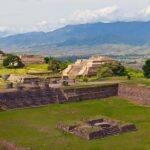
Price and value: what $65.77 gets you (and what it doesn’t)
At $65.77 per person, you’re paying for the big-ticket logistics and several admissions, not just a driver.
What’s included that matters:
- Access to the Tule Tree
- Access to the Teotitlán del Valle craft workshop and mat gallery
- Access to Mitla
- Access to the community nature reserve at Hierve el Agua
- Access to the mezcal palenque El Rey de Matatlan, including the tasting experience
- Air-conditioned transportation plus insurance
What you’ll likely still spend:
- The regional buffet is not included, and it’s listed at MX$220 per person
- Tips and souvenirs
So, is it good value? In my view, yes if you want a guided day with admissions and tasting included. The price is especially attractive because Hierve el Agua and the mezcal palenque aren’t “look-but-don’t-touch” stops. You’re meant to walk trails, take photos, and (at Hierve) swim. That turns the day into more than a checklist.
Morning logistics from Oaxaca City: where to meet and how to plan your timing
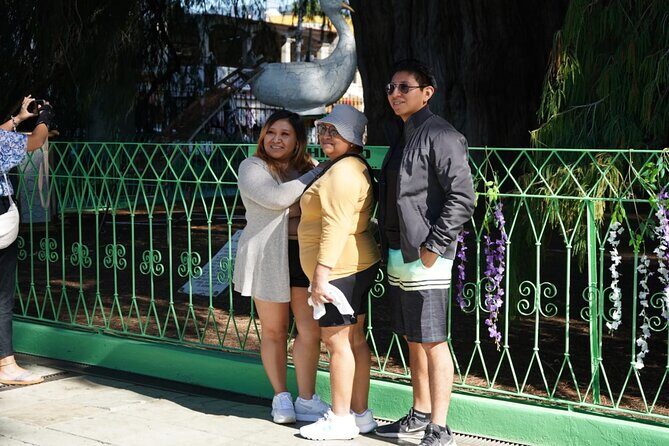
You start at Quinta Real5 de Mayo 300, Ruta Independencia, Centro, Oaxaca de Juárez. The tour meets at 7:00 am, and it ends back at the same point. There’s a mobile ticket, so you’re not hunting for printed paper.
Group size is capped at 20 travelers, which changes the vibe. You can still enjoy conversation with others, but you’re not fighting a crowd for basic visibility. It also usually means guides can keep the pace steady without rushing you through photo stops.
Language is listed as English, and confirmation is received at booking time. Most people can participate, which matters if you’re trying to fit this kind of day into a short itinerary.
Santa María del Tule: the millennial tree you can walk around

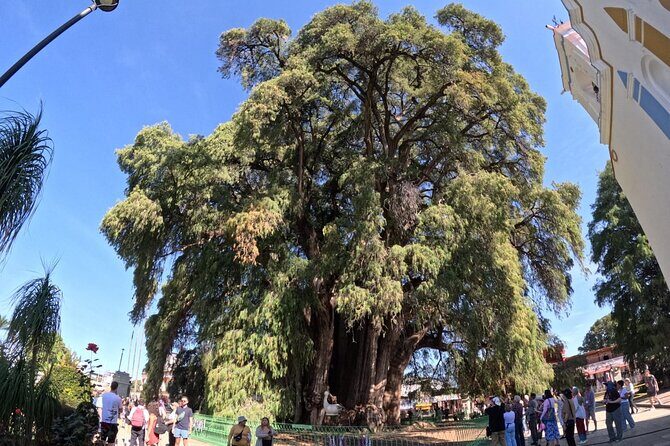
Santa María del Tule is one of those stops that sounds almost too simple until you’re standing there. The Tule Tree is famous for its massive trunk and age—described as more than 1,200 years old, with the widest trunk on the planet.
What I love about this visit is that you’re not just looking. You can walk around the perimeter, take close-up photos of natural figures that locals associate with animals and faces, and listen to the guide explain the tree’s history, origin, and cultural significance to the community.
It’s brief—about 1 hour—but it’s paced well. You get time to reframe your photos from wide shots to trunk details, and you get the cultural context that turns it from a roadside attraction into a real symbol.
Practical note: since this is a natural site, you’ll want to stay hydrated and protect yourself from sun. It’s also the kind of stop where good shoes help because you’re walking around outdoor paths.
Teotitlán del Valle weaving: wool mats, cochineal dye, and Zapotec patterns
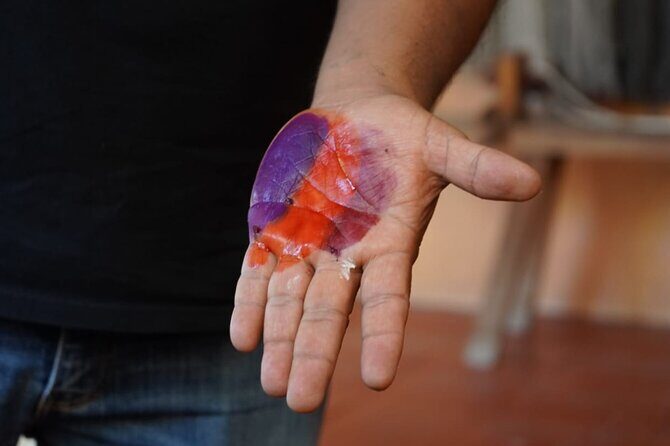
Next up is Teotitlán del Valle, and this is where the tour starts feeling more like an Oaxaca cultural lesson and less like a route of scenic stops.
The focus here is handwoven wool mats made using a full process chain:
- Natural spinning and dyeing of wool using cochineal grain, plus plants and minerals
- Weaving on a pedal loom
- Explanations of Zapotec designs and what they mean—linked to pre-Hispanic symbols, nature, and an ancestral worldview
You’ll see live demonstrations, and you’ll also get time to admire and purchase mats directly from family workshops. That part matters. When you buy from the people doing the work, your money tends to stay closer to the craft community.
One quiet advantage: this stop is about skill and materials, so it gives your day a mental reset after travel time. The guide’s descriptions turn colors and patterns from random decoration into something you can actually read.
Timing is about 1 hour, and it’s scheduled as a focused break rather than a long shopping spree. You’ll still have time to browse, but the education comes first.

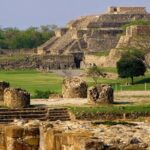




Mitla’s grecas and the geometry of life and death
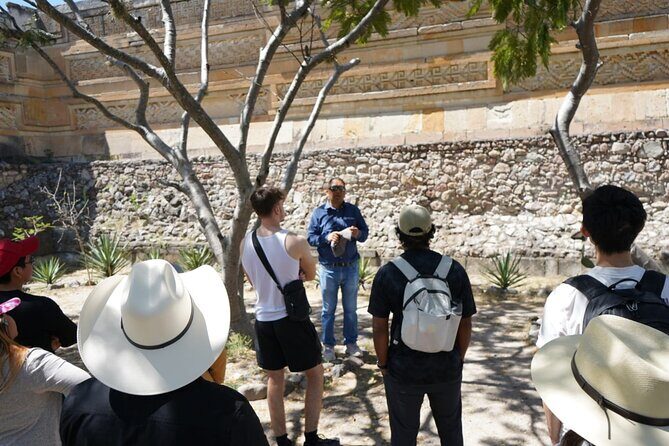
Mitla is where the tour leans into history and symbolism. This stop is known for its stone grecas—geometric carvings with precision that stands out even when you’re standing in front of them without background knowledge.
In Mitla, you’ll get a guided tour that explains:
- Mitla’s importance as an ancient Zapotec ceremonial center
- The spiritual and symbolic function of the site
- The meaning of the geometric patterns, described as linking life, death, and the spiritual world
- Time to walk courtyards, palaces, and corridors, then take pictures
The way the explanation is described makes a difference. When a guide helps you understand why the patterns are there, Mitla stops feeling like “just walls” and starts feeling like a coded language. You start noticing how the geometry repeats and what it’s trying to communicate.
You’ll have about 2 hours here, including photo time and time to enjoy the surroundings.
One balance point: Mitla is extraordinary, but it’s a different kind of site than bigger, more famous ruins. If you’re the kind of traveler who wants huge scale at every moment, you might wish you had more time at the most dramatic parts. If you like detailed stonework and symbolism, Mitla is a strong fit.
After Mitla, there’s a gastronomic break with a regional buffet, which is not included and is at your expense (MX$220 per person). If you’re hungry, plan to use that meal time well, because the rest of the day includes walking and more viewpoints.
Hierve el Agua: petrified waterfalls, trails, and that natural pool moment
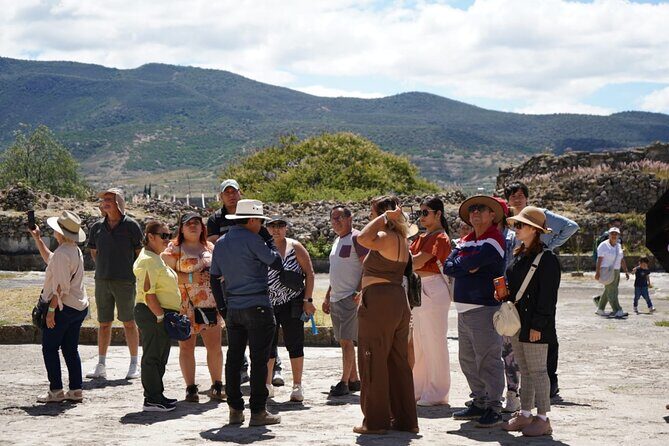
Hierve el Agua is the stop that makes people remember this tour.
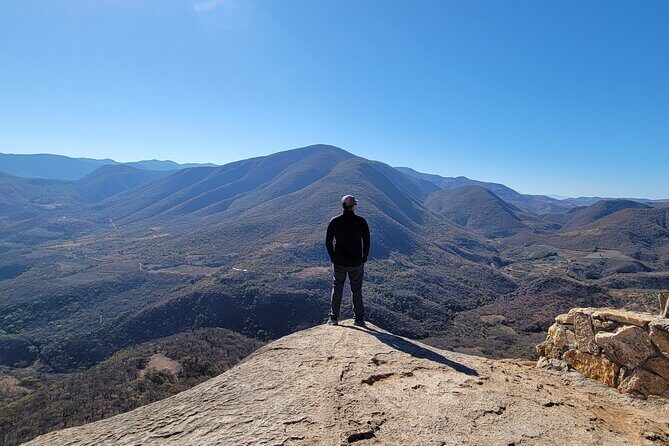
The site is famous for its petrified rock formations—often described as “waterfalls”—created by mineral seepage over thousands of years. The effect is surreal: a set of mineral steps that look like frozen water, with the Oaxacan valley spread out behind.
This is one of the best parts because the visit is built for both viewing and relaxing. You’ll:
- Walk along trails and enjoy panoramic valley views
- Admire the petrified formations
- Relax at natural pools
- Take photos from multiple angles
- Hear the geological origin and the natural and cultural importance explained by your guide
Then there’s the practical tip that comes up again and again: wear a swimsuit. Reviews explicitly mention swimming in the pool of the petrified waterfall area, and that’s the moment where the site becomes more than photos.
This stop is about 1 hour, and the admission ticket is listed as included.
What to watch for:
- Sun protection matters. Even with cloud cover, you’ll feel it.
- Bring swim gear even if you think you might not swim. The pools are the main event.
El Rey de Matatlan mezcal: from agave to tasting
After the stone and the view, mezcal is a smart pivot. The tour takes you to Santiago Matatlán, described as a mezcal capital, and the visit is centered on the palenque known as El Rey de Matatlán.
Here’s what you can expect from the mezcal part:
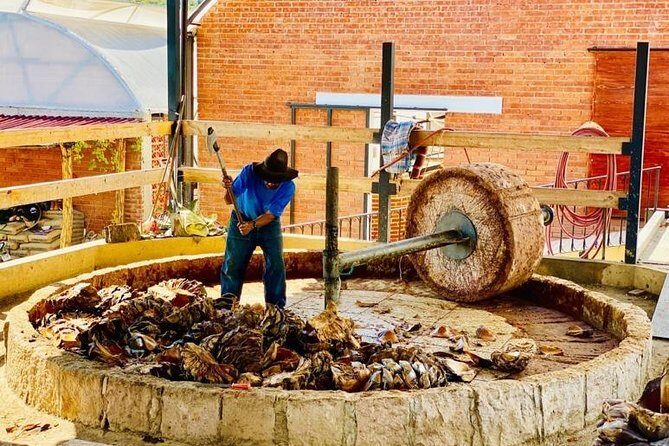
- A traditional process overview, from agave cultivation to cooking, grinding, and artisan distillation
- Explanations of different agave types
- A look at ancestral methods and the cultural role of mezcal locally
- A guided tasting, with help learning to identify aromas and flavors for each variety
I like mezcal stops most when they don’t just sell product—they teach you how to taste. In this one, the tasting is paired with process and variety, which makes it easier to understand what you’re experiencing rather than guessing.
This stop is about 1 hour, and the admission ticket is listed as included.
If you’re not sure what you’ll like, start curious. The tasting is structured enough that you can learn the differences in a short time.
Practical tips that make this day smoother
A day like this is short enough that small mistakes feel big. These are the practical things that keep you comfortable:
- Bring a swimsuit and sunblock for Hierve el Agua. It’s explicitly recommended, and that pool time is why people talk about the tour.
- Wear shoes that work on uneven ground. Tule, Mitla, and Hierve el Agua all involve walking outdoors and on natural surfaces.
- Plan for the buffet at Mitla (MX$220 per person). If you skip it, you may run out of energy for the afternoon.
- Bring a bit of cash for snacks and anything you want to buy at craft workshops or souvenir stops (souvenirs are not included).
- Expect a small-group experience (max 20), which means you should be on time at each stop so the whole schedule stays smooth.
Also, the tour description notes you’ll receive confirmation at booking and the mobile ticket is part of the experience. Double-check your email or device the night before so you’re not stressed in the morning.
Should you book the Magical Route Oaxaca: Tule, Mitla, Hierve el Agua and mezcal?
Book it if:
- You want a guided day that hits major Oaxaca highlights without planning each transfer yourself.
- You care about craft (Teotitlán del Valle wool weaving) and not just scenery.
- Hierve el Agua’s natural pools and views are high on your list.
- You’d enjoy a real mezcal tasting tied to how the drink is made.
- You prefer smaller group pacing (max 20) and air-conditioned comfort.
Skip it or think twice if:
- You’re not interested in mezcal or crafts and you’d rather spend more time at one single site.
- You hate early mornings. The 7:00 am start is the whole engine of this day.
If you do book, set yourself up for success: pack swim gear, protect yourself from sun, and go into the craft and mezcal stops with curiosity. That’s when the day feels like Oaxaca, not just a list of stops. And if you’re lucky, you might be guided by someone like Eduardo, who’s been praised for clear explanations and helpful food recommendations around the buffet.
FAQ
Is the tour offered in English?
Yes. The tour is listed as offered in English.
How long is the tour?
The duration is approximately 9 hours.
Where do I meet the group, and what time does it start?
You meet at Quinta Real5 de Mayo 300, RUTA INDEPENDENCIA, Centro, Oaxaca de Juárez, and the start time is 7:00 am. The tour ends back at the same meeting point.
What stops are included?
The tour includes access to the Tule Tree, a craft workshop and gallery in Teotitlán del Valle, the archaeological site of Mitla, the community nature reserve of Hierve el Agua, and a visit to the mezcal palenque El Rey de Matatlan.
Is food included?
No. There is a buffet after Mitla that is not included. It costs MX$220.00 per person.
Do I need a swimsuit for Hierve el Agua?
You should bring a swimsuit. Swimming in the natural pool area at Hierve el Agua is specifically mentioned as part of the experience, and sunblock is also recommended.
What is the cancellation policy?
You can cancel up to 24 hours in advance for a full refund.