REVIEW · OAXACA CITY
Monte Alban Chesillo and handicrafts alebrijes and black mud
Book on Viator →Operated by TONALLI TOURS OAXACA · Bookable on Viator
A Oaxaca day with mud, wood, and ancient plazas. This private route hits the heart of Oaxaca craftsmanship and culture, starting with quesillo and ending with black mud pottery, with Monte Albán in between.
I love that you get hands-on context before you buy or photograph anything. Watching how Oaxaca-style cheese is made at Reyes Etla, then tasting it with warm memelitas, is a smart start. I also love the story behind the wooden figures at San Antonio Arrazola: the same famous alebrijes concept turns into Oaxaca’s tones and nahuales, with symbolism tied to birth and the spirit world.
One consideration: the whole day runs about 8 to 9 hours and includes guided walking at Monte Albán, so wear comfortable shoes and don’t schedule anything tight right afterward.
In This Review
- Key highlights you’ll care about
- Reyes Etla breakfast: quesillo making and memelitas
- Monte Albán: guided Zapotec plazas and big valley views
- San Antonio Arrazola copal wood tones and nahuales
- San Bartolo Coyotepec black mud: quartz burnishing magic
- Price and logistics: what $328.38 buys you
- What to expect when you’re buying (and what to ask)
- Who this private Oaxaca day is best for
- Should you book this tour?
- FAQ
- What time does the tour start?
- How long does the experience take?
- Is this a private tour?
- Is pickup included, and where does it happen?
- What language is the tour offered in?
- What is included in the price?
- Are meals included besides breakfast?
- Do I get a mobile ticket?
- Can I cancel for a refund?
- Is the tour accessible for everyone?
Key highlights you’ll care about

- Reyes Etla quesillo, from curds to strip-rolling: you see why Oaxaca cheese tastes different.
- Monte Albán with guided meaning, not just photos: squares, structures, and real context for daily and ceremonial life.
- Tones and nahuales instead of generic alebrijes: copal wood carvings tied to Zapotec worldview.
- San Bartolo Coyotepec black mud with quartz burnishing: you’ll see the metallic shine made without paint.
- Private pickup and air-conditioned transport: easier pacing for a full day across multiple neighborhoods and towns.
- You can buy directly in family workshops: time to shop, with creators explaining symbolism.
Reyes Etla breakfast: quesillo making and memelitas
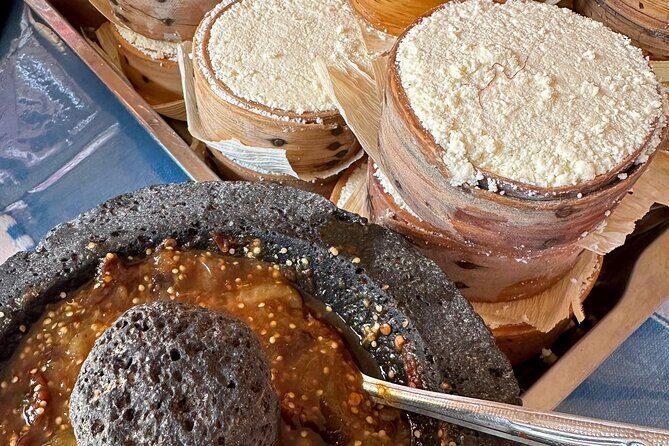
You start in Reyes Etla at the home of a local cook, which sets the tone for the entire day. This is not a “stand in a gift shop and move on” stop. You’re there for how Oaxaca cheese actually comes together—curds, then the distinctive strip-rolling technique that creates that signature texture and strip pattern.
Then comes the best part: tasting fresh quesillo. It’s served alongside memelitas, thick corn tortillas that are soft with a slight browning, made with local ingredients. If you care about food culture (and not just eating), this stop gives you a quick education you can actually taste.
Practical note: the tour includes breakfast, but meals aren’t listed as included later in the day. I’d treat this first stop like your main meal and plan for snacks or hunger management afterward. Also, the stop is about 1 hour 20 minutes—long enough to watch the process and eat, but short enough that you won’t waste the morning.
If you're still narrowing it down, here are other tours in Oaxaca City we've reviewed.


Monte Albán: guided Zapotec plazas and big valley views

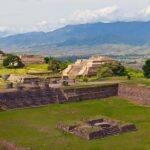
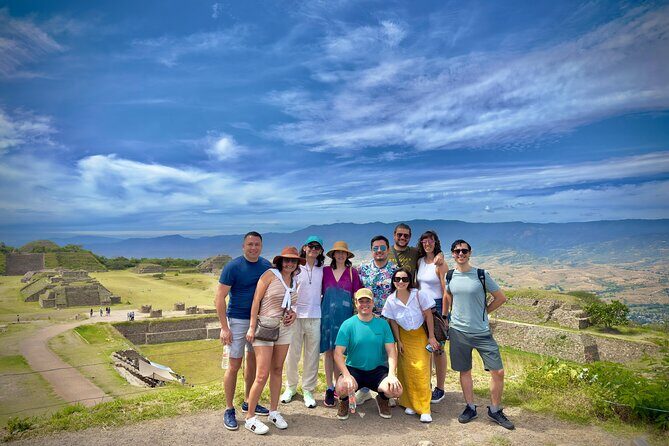
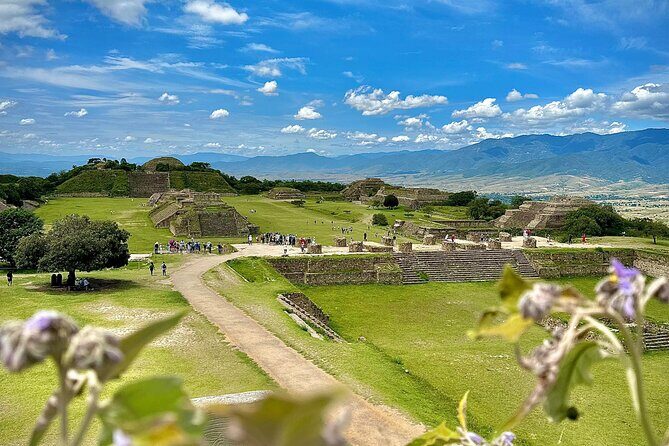
After breakfast, you head to Monte Albán, the ancient Zapotec city that dominates the Oaxaca Valley. The guided portion focuses on how people lived and how the society worked—social and ceremonial practices, the city’s role in the region, and what the major structures were used for. It’s the kind of framing that helps you look at stones and start understanding why they mattered.
You’ll also get panoramic views of the valley, which makes timing important. Monte Albán can be sunny and exposed, so that early start helps you enjoy the viewpoints without roasting. Bring sun protection and plan for walking on uneven terrain.
The visit lasts about 2 hours. That’s a good length: enough time to absorb the story, check out the key areas, and still have room to linger for photos. The only drawback is that ancient sites don’t come with flat sidewalks. If you have mobility limits, take it slow and let your guide know what pace works for you.
San Antonio Arrazola copal wood tones and nahuales
Next is San Antonio Arrazola, a town at the foot of Monte Albán where artisan families keep a carving tradition alive. You’ll see wooden figures made from copal wood—often lumped under the wider label alebrijes. In Oaxaca, the origin and naming are different, and this stop makes that distinction clear.
Here, the figures are called tones and nahuales. Tones are protective animals connected to the day of birth, while nahuales are mystical beings linking the human world with the animal and spiritual realm. That matters because it changes how you look at the finished piece. Instead of seeing it as a decoration, you get a map of what the symbol might represent.
The experience is set up so you can watch the craft process up close and hear directly from the creators about how designs connect to meaning. If you want to buy, this is one of your best times to do it, since you can ask questions before you commit. The stop is about 1 hour, so it’s not a museum lecture—it’s a focused studio visit with real conversation.
San Bartolo Coyotepec black mud: quartz burnishing magic

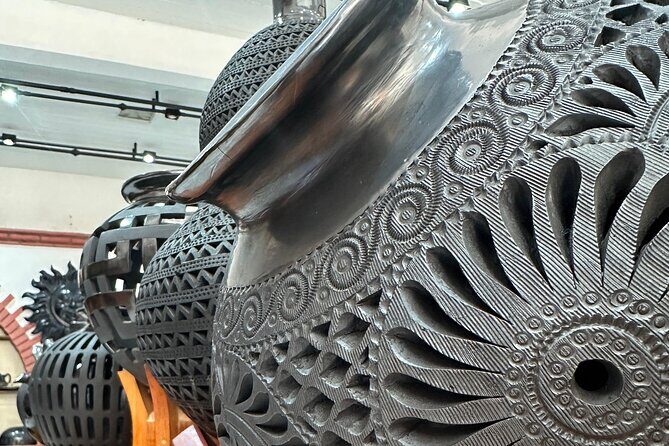
Your final craft stop is San Bartolo Coyotepec, famous for its black mud pottery. This isn’t just about color. It’s about the whole technique: how regional clay soil is prepared and worked using older methods, then fired to create durable pieces with deep character.
You’ll see the full workflow, from mud preparation and modeling to natural drying and cooking in traditional ovens. What really holds attention is the quartz stone burnishing step. The artisans polish the surface with quartz to create that characteristic metallic shine—without relying on enamels or paints. That’s the kind of detail you’ll remember, because it shows how skill replaces shortcuts.
You’ll also learn how black mud is used: utilitarian objects, decorative pieces, and figures that reflect the local worldview. The stop lasts about 1 hour, which is enough time to understand the process and browse for something that feels meaningful to you, not just attractive.
Price and logistics: what $328.38 buys you

This tour costs $328.38 per group (up to 3 people). That might sound steep until you break down what’s included and why it matters in Oaxaca. You’re paying for a private vehicle with pickup, air-conditioning, parking fees, bottled water, soda/pop, breakfast, and entrance fees. For a full day across multiple stops, that’s real convenience value.
Booking timing also matters. This is commonly reserved about 35 days in advance, so it’s smart to lock in your date early—especially if you’re traveling during peak season or want a specific day.
The schedule starts at 8:00 am, and the day runs about 8–9 hours. That’s a long but manageable timeframe if you’re doing a “see the classics plus real crafts” kind of day. You’ll cover Oaxaca’s best-known archaeological highlight (Monte Albán) and two craft centers where you can see the making process instead of only shopping at the end.
One more practical point: pickup is offered within Oaxaca de Juárez’s main areas, and if you’re staying in the Historic Center, they coordinate a nearby secure landmark if vehicle access is limited. That reduces the stress of finding a meeting spot and dragging your day bag across cobblestones.






What to expect when you’re buying (and what to ask)
You’ll have the chance to purchase directly at the craft stops, which is one reason this route feels more rewarding than a “drive-by” program. At San Antonio Arrazola, you can ask about how designs relate to tones and nahuales—including what animals or themes connect to birth-day protection or spiritual links.
At San Bartolo Coyotepec, focus your questions on materials and finish. Since the shine comes from quartz burnishing rather than paint, you’ll get a better sense of quality if you look for consistent polishing and craftsmanship. Also, since black mud is used for both practical and decorative items, you can choose what fits your lifestyle back home (small desk piece vs. something meant to be used).
If you like buying handmade items, this tour is a good match. If you’re only browsing, it can feel a little “shopping-forward.” But the upside is that you’ll understand the work enough to decide faster.
Who this private Oaxaca day is best for
This fits best if you want a full cultural day without the hassle of hopping between locations on your own. It’s especially good for people who like structure: a guide, a clear sequence of stops, and enough time in each place to learn and ask questions.
It also suits anyone who prefers a quieter pace. Since it’s a private tour for your group (up to 3), you’re not stuck in a big crowd moving at someone else’s speed. The route is described as requiring moderate physical fitness, so it’s ideal for most active visitors, but you’ll still want comfortable shoes for Monte Albán’s walking and uneven ground.
Should you book this tour?
I’d book it if you want more than sightseeing. The real value is the pairing: quesillo-making in Reyes Etla, a guided understanding at Monte Albán, and then two craft experiences that explain the meaning behind the objects—tones/nahuales in copal wood and black mud pottery with quartz burnishing.
Book it early because dates can fill, and you’ll want that 8:00 am start to enjoy the site comfortably. If you dislike long days or struggle with walking, you might choose a shorter, slower plan instead. But if you’re up for a packed, well-guided cultural day in Oaxaca City, this one is a strong bet.
FAQ
What time does the tour start?
The tour starts at 8:00 am.
How long does the experience take?
It runs about 8 to 9 hours.
Is this a private tour?
Yes. It’s private, and only your group participates. The group size is up to 3.
Is pickup included, and where does it happen?
Pickup is offered from your location within the main areas of Oaxaca de Juárez, including hotels and Airbnbs. If vehicle access is limited in the Historic Center, pickup can be coordinated at a nearby secure landmark.
What language is the tour offered in?
The experience is offered in English.
What is included in the price?
Included items are breakfast, bottled water, soda/pop, an air-conditioned vehicle, private transportation, parking fees, and entrance fees.
Are meals included besides breakfast?
No. Meals are listed as not included.
Do I get a mobile ticket?
Yes. A mobile ticket is included.
Can I cancel for a refund?
Free cancellation is available up to 24 hours in advance for a full refund.
Is the tour accessible for everyone?
It requires moderate physical fitness. Service animals are allowed, and the experience is near public transportation.