REVIEW · OAXACA DE JUAREZ
Oaxaca: 10 Mexican Salsas Cooking Class with Taco Tasting
Book on GetYourGuide →Operated by Oscar Carrizosa · Bookable on GetYourGuide
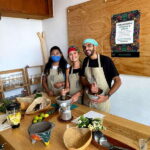
Salsa lessons in Oaxaca beat a food tour. At Casa Crespo, you’ll make 10 Mexican salsas with Chef Oscar Carrizosa and learn how different chiles shift flavor and heat, then finish with a taco tasting built around what you cooked. What I like most is the hands-on payoff: you don’t just watch, you practice. I also love that the class builds toward practical use, so you can recreate these sauces after you go home.
One thing to consider: the teaching can feel fast-paced, and depending on the day the chef’s energy may be more focused on production than on long, extra chat.
In This Review
- Key Takeaways Before You Go
- Why This Oaxaca Salsa Class Feels More Like Skill-Building Than Snacking
- Price and What You Actually Get for $80
- Getting to Casa Crespo Near Jardin Conzatti (and What to Wear)
- Your Chili Cheat Sheet: From Chile de Arbol to Habanero
- The 10 Salsas You’ll Make, and Why Each One Teaches Something
- Xnipec and Macha: iconic flavors with personality
- Salsa verde and the molcajete-style approach
- Borracha: a salsa with attitude
- Hibiscus flowers and tamarind: how to balance sweet, sour, and floral
- Guacamole vs guacachile: the difference matters
- Where chipotle, jalapeño, and habanero fit in
- The Taco Tasting: How to Pair Heat Without Losing Flavor
- Chef Oscar Carrizosa’s Teaching Style: Friendly, Focused, and Sometimes Busy
- Who This Class Is For (and Who Should Skip It)
- Tips to Get More Out of Your 2 Hours
- Should You Book This Oaxaca Salsa Cooking Class?
- FAQ
- How long is the Oaxaca 10 Mexican Salsas Cooking Class?
- What is included in the price?
- Who teaches the class?
- What languages are offered?
- What should I bring?
- Is the experience suitable for people with food allergies?
- Where is the meeting point?
- Is the experience wheelchair accessible?
Key Takeaways Before You Go
- 10 salsas in 2 hours means you’ll move from chili basics to finished recipes quickly
- Xnipec and Macha are included, so you get beyond the usual salsa verde routine
- Chili-by-chili learning covers chile de arbol, chipotle, jalapeño, and habanero so you understand the differences
- Guacamole vs guacachile is taught as more than a name swap
- Hibiscus flowers and tamarind show up as flavor-seasoning you can actually use later
- Tacos at the end are paired with the salsas you make, so you taste the theory right away
Why This Oaxaca Salsa Class Feels More Like Skill-Building Than Snacking
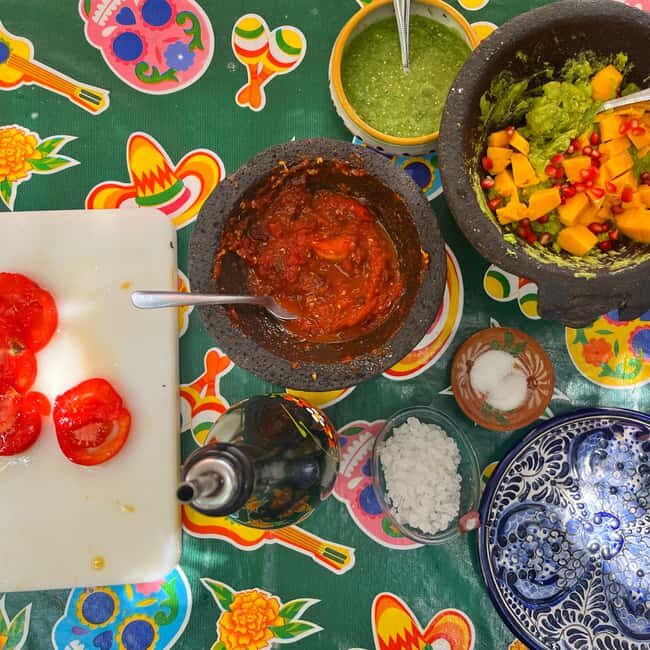
Oaxaca is famous for mole and mezcal, but the sauce world is bigger than most people realize. This class is built around that truth: salsas are not just toppings. They’re flavor formulas made from specific chiles, aromatics, and balancing ingredients. When you learn the logic behind them, you stop thinking in terms of restaurant names and start thinking in terms of heat level, smoke, acidity, and thickness.
At Casa Crespo, you’re working with a real kitchen rhythm and a chef who focuses on results. You’ll make salsa types that pull from different Mexican traditions, including iconic styles like Xnipec and Macha. That matters because these sauces teach you how to build complex flavor with ingredients that are often simple on paper.
And then comes the part that locks it in: the taco tasting. You taste your own salsas where they belong, on tacos, so you learn what works together and what you might need to balance next time.
If you're still narrowing it down, here are other tours in Oaxaca De Juarez we've reviewed.


Price and What You Actually Get for $80
$80 for a 2-hour, hands-on cooking class is not cheap, but it is understandable if you look at what’s included:
- You make 10 different salsas, not one or two
- You get a taco tasting paired with those salsas
- Drinks are included
- Instruction is available in English and Spanish
- The setting is at Casa Crespo, in front of Jardin Conzatti (easy to find on foot)
If you’ve paid for cooking classes before, you know the trap: sometimes you pay for a nice meal where you only do one step. Here, you’re aiming for output. That output is what you’re really buying—ten finished sauces and the know-how to repeat them.
You might decide it’s a splurge if you just want to eat. But if you want to bring home real flavor skills, it’s closer to a value bargain.
Getting to Casa Crespo Near Jardin Conzatti (and What to Wear)
The meeting point is at Casa Crespo, on the corner with Jacobo Dalevuelta Street, in front of Jardin Conzatti. Plan to arrive a few minutes early so you can settle in without rushing—this is one of those classes where the first instructions matter.
Dress for comfort. You’ll be cooking, working at a counter, and tasting. Comfortable clothes are the main recommendation, and it’s smart to wear something you don’t mind smelling faintly like chile afterwards.
You’re also told the class is wheelchair accessible, which is a practical plus. If you’re bringing a mobility aid, it’s worth planning on short, easy walking from the meeting spot to the kitchen area.
Your Chili Cheat Sheet: From Chile de Arbol to Habanero
The core education here is simple: different chiles behave differently. Heat isn’t one thing. Smoke isn’t one thing. And sourness, sweetness, and thickness don’t appear by accident.
You’ll learn differences tied to the chiles used in the recipes, including:
- Chile de arbol: often sharp, direct heat with a dried-pepper bite
- Chipotle: smoky flavor that can make a salsa taste deeper even when it’s not the hottest option
- Jalapeño: a fresher pepper character with a more straightforward heat level
- Habanero: intense heat and a distinct fruity edge that changes how you balance a sauce
This is valuable because most people taste one heat level and assume that’s the whole story. After this class, you’ll be able to ask: is the heat from smoke, from freshness, or from pure pepper intensity? That’s how you stop making a salsa that’s either too fiery or too flat.
The 10 Salsas You’ll Make, and Why Each One Teaches Something
The big promise is 10 Mexican salsas, and the learning isn’t random. The class includes recognizable icons, everyday staples, and flavor-stretching options that train your palate.
Here’s what you can expect the set to include, based on the recipes taught:



Xnipec and Macha: iconic flavors with personality
You’ll master iconic salsas like Xnipec and Macha. These are great choices for a class because they force you to pay attention. Xnipec-style flavor directions typically involve a strong balance and a distinctive profile that doesn’t taste like standard salsa verde. Macha is the kind of sauce that helps you understand how toasted heat and texture create a slow-building punch.
Even if you don’t cook these perfectly at first, you’ll come away with a stronger sense of how to aim for a target flavor.
Salsa verde and the molcajete-style approach
You’ll also learn salsa verde. It’s a classic baseline, but the class helps you see what makes it work: not just the ingredients, but how the salsa comes together in texture and balance.
You’ll also make a classic molcajete salsa. The mention of molcajete matters. That kind of preparation usually changes texture and keeps flavors more grounded, so it’s not just a different name—it’s a different eating experience.
Borracha: a salsa with attitude
You’ll learn borracha, which is the type of salsa that feels friendly but not mild. It’s the kind of recipe that can turn a taco into something you remember, because it adds character beyond simple heat.
Hibiscus flowers and tamarind: how to balance sweet, sour, and floral
This class doesn’t stick to chile alone. You’ll refine your palate with salsas seasoned with hibiscus flowers and tamarind. This is one of the more interesting parts because it trains your tongue. Hibiscus adds a floral, tangy edge, while tamarind brings a sweet-sour depth that can make the whole sauce feel more complete.
Even if you never cook exactly this salsa again, you’ll learn how to think about acidity and fruitiness in salsa.
Guacamole vs guacachile: the difference matters
You’ll understand the difference between guacamole and guacachile. This helps because people often treat all avocado sauces like they’re interchangeable. In practice, small changes in seasoning and chile approach change whether the sauce feels creamy, smoky, sharp, or aggressively hot.
If you like ordering “hot guac” at restaurants, this is the moment you learn what that usually means.
Where chipotle, jalapeño, and habanero fit in
The class teaches chili differences using chile de arbol, chipotle, jalapeño, and habanero, and those peppers show up across the ten recipes. The practical takeaway is that you won’t just memorize ten salsa names—you’ll connect each salsa’s personality to the chili logic behind it.
That makes it easier to adjust on your own later.
The Taco Tasting: How to Pair Heat Without Losing Flavor
At the end, you’ll enjoy a taco tasting paired with the ten salsas you made. This is one of the strongest parts of the whole experience, because it turns cooking into a tasting lesson.
Here’s what you’ll naturally learn as you go through the pairings:
- Which salsas cut through rich fillings and which ones soften or mellow
- How a smoky salsa can feel less aggressive than a purely fiery one
- When you need acidity to wake up a taco, and when you need heat for structure
Also, you’re not stuck eating straight from the spoon. In at least some sessions, the food team adds extra items alongside the tacos, and the drinks included can make the tasting feel more like a relaxed food moment than a rushed exam.
Chef Oscar Carrizosa’s Teaching Style: Friendly, Focused, and Sometimes Busy
The instructor is Oscar Carrizosa, leading the class with English and Spanish support. In my view, the main factor in your experience will be the balance between teaching and pace.
On good days, the vibe is welcoming and patient. You’ll get real time and attention, including help as you work through each salsa and questions that come up along the way. If you’re a solo cook in the group, that personal attention can still happen, and you’ll benefit from watching each recipe step-by-step.
On other days, you might feel the chef is more task-driven—focused on keeping everything on schedule. That can translate into short answers when you ask something detailed, and you may have to pull the lesson from what’s demonstrated rather than from long explanations.
The easy fix: come ready with one or two questions you genuinely care about, like how to tame chile heat or how to adjust tang. You’ll get more from the class that way.
Who This Class Is For (and Who Should Skip It)
This is a great fit if you:
- Want a hands-on Oaxaca food experience beyond a tasting-only tour
- Enjoy learning the logic behind Mexican flavors
- Like spicy food but want to learn how heat works, not just eat it blindly
- Plan to cook later and want repeatable recipes
It’s not suitable for people with food allergies, since you’ll be making and tasting multiple ingredients and chile-based preparations.
If you’re traveling with kids or someone who only eats plain mild food, you’ll want to consider whether they can handle the pepper range. The class includes habanero, so the heat is part of the syllabus.
Tips to Get More Out of Your 2 Hours
Because the class packs a lot into a short window, a little strategy helps.
- Start tasting with the mildest options first, then go hotter. Your tongue adjusts, and you’ll understand the differences better.
- Take quick notes on texture and flavor balance. For salsa, the difference between good and great is often thickness and acidity, not just heat.
- When you hear about chili types like chipotle or chile de arbol, watch for how they affect smoke and bite. That’s the knowledge you’ll reuse most.
- If drinks are part of your evening, use them to relax, not to blur your palate. You’ll want a clean sense of taste for pairing on the tacos.
Should You Book This Oaxaca Salsa Cooking Class?
Book it if you want a practical Oaxaca cooking experience where you leave with real skills. The combination of ten salsa recipes, chili learning (including arbol, chipotle, jalapeño, and habanero), and a taco tasting paired to your results makes it feel like more than an activity. It’s a flavor education you can carry home.
Skip or reconsider if you’re sensitive to spicy food or if you have food allergies. Also, if you prefer very slow, chatty instruction, expect a more production-focused tempo in a hands-on kitchen.
If you’re the kind of traveler who wants to understand what makes Mexican food taste the way it does, this one earns its keep.
FAQ
How long is the Oaxaca 10 Mexican Salsas Cooking Class?
The class lasts 2 hours.
What is included in the price?
You get a 10 Mexican salsas making class, a taco tasting paired with the ten salsas, and drinks.
Who teaches the class?
Chef Oscar Carrizosa teaches the class.
What languages are offered?
The instructor provides instruction in English and Spanish.
What should I bring?
Wear comfortable clothes.
Is the experience suitable for people with food allergies?
No, it is not suitable for people with food allergies.
Where is the meeting point?
Casa Crespo is at the corner with Jacobo Dalevuelta street, in front of Jardin Conzatti.
Is the experience wheelchair accessible?
Yes, the activity is wheelchair accessible.