REVIEW · OAXACA CITY
Oaxaca : Boil Water, Mitla, Teotitlan and Tule Tree
Book on Viator →Operated by Get Routa · Bookable on Viator
Six wonders, one long hot day in Oaxaca. This tour strings together some of the region’s most memorable stops, from the mineral pools at Hierve el Agua to the craft-and-food moments around Mitla and Teotitlán del Valle. I especially like how the day mixes big sights with hands-on culture, and the added Mezcal tasting gives you a finish that feels tied to what you saw. The only real catch: it’s a long day in the sun, and several key items cost extra on-site.
You’ll ride out of downtown Oaxaca in an air-conditioned vehicle with a bilingual guide (English and Spanish). The group stays small (max 20), so you can ask questions without shouting over everyone. Still, the pace is brisk—great if you want a lot of variety, less great if you prefer slow, hanging-out time.
In This Review
- Key Things I’d Highlight Before You Go
- The Route: How the Day Flows From Oaxaca
- Hierve el Agua: Petrified Waterfalls and the Swim Decision
- Tule Tree: A Quick Detour With Big-Tree Energy
- Mitla Archaeological Site: Grecas, Mosaics, and Valley of the Dead
- Teotitlán del Valle: Textiles, Natural Dyes, and the Pre-Hispanic Process
- Mezcal at El Rey de Matatlan: Production Lesson Plus Tasting
- Your Day’s Practical Reality: Timing, Heat, and What’s Included
- Comfort and Group Size: Why It Works for First-Time Oaxaca Visitors
- Who Should Book This Tour (and Who Might Skip It)
- Should You Book This Oaxaca Day Trip?
- FAQ
- What time does the tour start?
- How long is the tour?
- Is hotel pickup included?
- What languages are spoken during the tour?
- Which major fees are not included?
- Is mezcal tasting included?
Key Things I’d Highlight Before You Go
- Hierve el Agua pools and views: expect time to see the petrified waterfall formations and decide if you want to swim in the mineral pools
- Mitla’s grecas and mosaics: short-but-focused archaeological time where the patterns do most of the talking
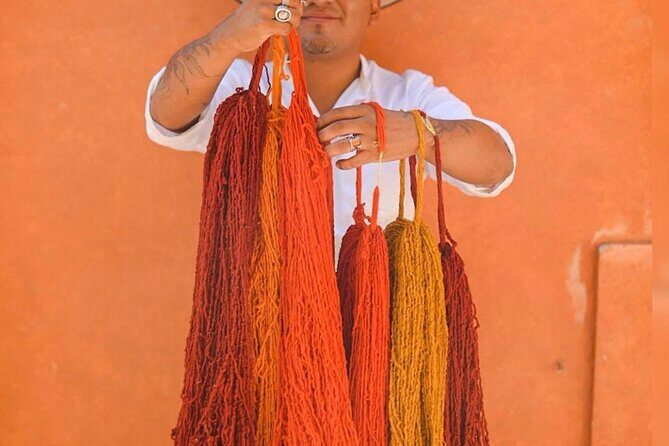
- Teotitlán del Valle textiles: you’ll see how wool mats get dyed with natural dyes using a pre-Hispanic process
- Mezcal production lesson plus tasting: a cultural stop that’s more than just a quick sample
- A quick Tule Tree stop: worth a photo, but it’s not the main event
- Interactive WhatsApp quiz: a small, fun way to keep your brain switched on during the ride
The Route: How the Day Flows From Oaxaca
This is a 10 to 12 hour day tour starting at 8:10 am. Pickup happens at your downtown Oaxaca hotel reception, and the driver and guide aim to get you moving early, which matters because the sun in Oaxaca doesn’t play.
The route is built like a sampler platter: you’ll hit the standout sights first (especially Hierve el Agua), then move through Mitla and Teotitlán del Valle for culture and crafts, and finish with a mezcal tasting before returning to Oaxaca. That order works well because it reduces backtracking and keeps the day from feeling randomly chopped up.
Because the schedule is packed, your best strategy is to travel light. Wear comfortable shoes, keep your camera ready, and plan for heat so you don’t spend time wishing you had more water or shade.
If you're still narrowing it down, here are other tours in Oaxaca City we've reviewed.


Hierve el Agua: Petrified Waterfalls and the Swim Decision
Hierve el Agua is the headliner, and you’ll see why fast. The area features petrified waterfall formations created by runoff from high-mineral water over thousands of years. It’s one of those places where you look up at the rock “waterfall” and then look sideways at the pools, and both directions feel like part of the same story.
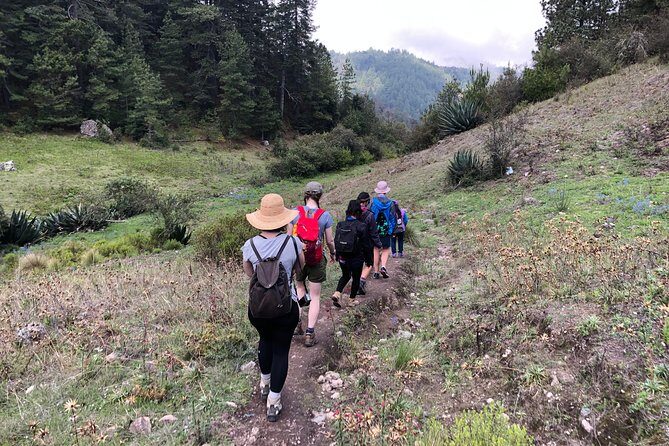
You get about an hour here, which sounds short until you realize the site has a natural flow. You’ll want time for photos, plus a moment to walk to the best viewpoints. If you’re the type who likes to read your surroundings, bring a bit of patience—this is more about the visual geography than a museum-style explanation.
One practical detail: there’s an extra boil the water charge listed at MX$70 per person. The tour data doesn’t spell out what that covers, so if this is something you’re required to do for the pools, ask your guide right when you arrive. If it’s optional, decide based on how comfortable you are with the pool setup.
If you’re going to use the pools, bring a swimsuit even if you think you might just watch. People get into the water more easily than they expect once they’re standing there, feeling that warm-mineral vibe.
The biggest drawback at Hierve el Agua is that it can get hot and the walking is exposed. The reviews I’ve seen from people who booked this tour were very clear: sunscreen, water, and ideally a hat make a huge difference.
Tule Tree: A Quick Detour With Big-Tree Energy

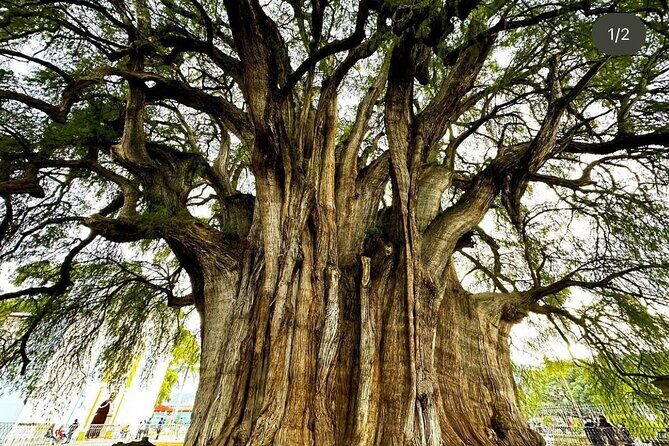
The Tule Tree stop is brief, but it’s a very specific kind of memorable. You’ll see what’s described as the largest tree in Mexico, around 2,000 years old, known as the sabino with an enormous trunk diameter.
This isn’t the place to settle in with a long, slow stroll. You’re there to admire, take a few photos, and move on. The good news is that it breaks up the day and adds variety between archaeological and craft stops.
You should budget an extra Tule tree entrance fee of MX$20 since it isn’t included. If you’re the kind of traveler who hates “quick stops,” you may wish this moment were longer—but if you like landmarks, even a short look can be satisfying.
Mitla Archaeological Site: Grecas, Mosaics, and Valley of the Dead
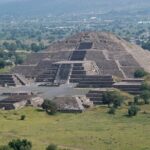
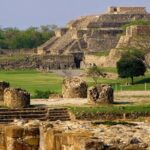
Mitla is one of the best stops on this route because it’s visually distinctive. The facades and mosaics use geometric patterns that many people recognize as grecas. The tour also gives you the name context: Mitla comes from the Nahuatl word Mictlan, often translated as Valley of the Dead.
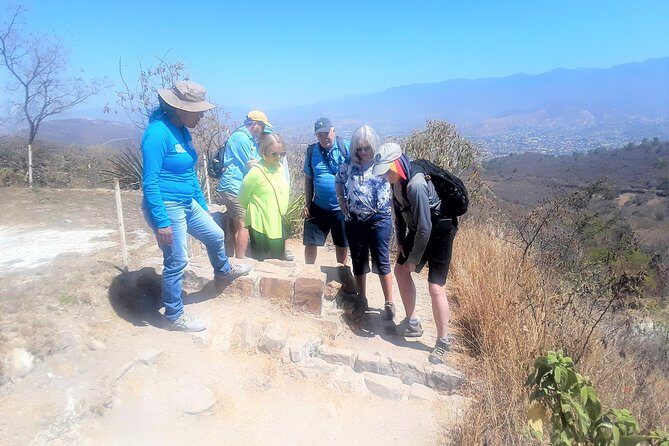
You’ll spend about an hour at the archaeological site. That’s a comfortable window for seeing the major structures without feeling rushed out of the area. Mitla is also where you’ll start noticing how design and symbolism work together—those repeated patterns aren’t random decoration. They help you “read” the place faster once you start looking for symmetry and repeated shapes.
The catch is heat. Mitla can feel exposed, and if you’re someone who likes to climb or walk farther, you’ll need to slow down, hydrate, and watch your energy. Bring water and take shade breaks when you can.
Important budget note: Mitla’s ticket isn’t included, and it’s listed as MX$210. That cost is significant compared to the other add-ons, so it helps to plan your day budget before you get there—no surprise math mid-trip.
Teotitlán del Valle: Textiles, Natural Dyes, and the Pre-Hispanic Process
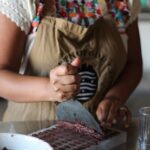
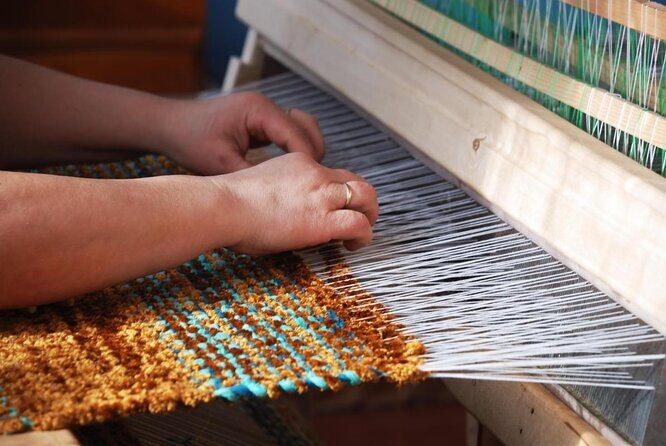
Teotitlán del Valle is where the tour turns from sightseeing to making. You’ll learn about culture and see traditional beauty through the craft of weaving and dyeing. The focus here is the famous wool mats dyed with natural dyes, using a pre-Hispanic process that involves plants and animals.
You’ll spend about an hour in this stop, and that’s enough time to understand the basic steps without turning it into a lecture you can’t use. I like this kind of cultural stop because it gives you a reason behind what you’re seeing. Instead of buying a textile and hoping you understand it, you get to connect color and technique to raw materials and method.
One practical tip: go with the mindset that you might want to browse. If you’re drawn to textiles, you’ll probably see different designs and quality levels here. And since the tour gives you context for natural dyes, you’ll be able to ask better questions, like what plant or animal source was used for a particular color family.
The downside? Again, the sun. This stop can be warm, and you may walk indoors and outdoors. Keep your hat and water habits steady.




Mezcal at El Rey de Matatlan: Production Lesson Plus Tasting
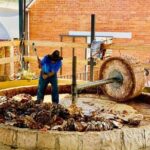
After crafts, the tour shifts to mezcal—at El Rey de Matatlan. You’ll get a tasting and learn about mezcal production in a unique way. This is the part of the day where a lot of tours either rush through or feel like a sales pitch. Here, the added production talk gives you a better frame.
I like ending with a food-and-drink moment because it makes the cultural themes feel complete. You’ve seen design (grecas), technique (textiles), and then you finish with a regional spirit that also relies on process and tradition. Even if you don’t become a mezcal expert, you’ll leave with clearer context for why mezcal tastes the way it does.
This stop is about an hour, which is a good length. You get time to taste, ask questions, and understand the basics without feeling dragged through an all-day “factory story.”
A note for your comfort: if you’re sensitive to alcohol or you want to stay sharp for photos, pace your tasting. You’ll still get something from the production lesson even if you keep your sip sizes small.
Your Day’s Practical Reality: Timing, Heat, and What’s Included
This tour’s value comes from the mix. You’re getting air-conditioned transport, hotel pickup in downtown Oaxaca, and a bilingual guide in English and Spanish. You also get an interactive online game designed to reinforce what you’re learning and can be shared via WhatsApp or message—small, but it helps the day feel like more than just driving from stop to stop.
You’ll also get a mezcal tasting included, plus the data notes that admission is free for several parts of the day. What’s not included is where you need to plan. Here’s what you should expect to pay extra:
- Tule Tree: MX$20
- Mitla ticket: MX$210
- Boil the water: MX$70 per person
- Optional: buffet food listed as MX$220
That adds up, so I recommend you treat the tour price as the base, not the full all-in day cost. Once you do that, the overall value makes sense because the included elements reduce your effort and planning.
Also, the duration is long enough that you should plan meals strategically. The tour data doesn’t include a buffet, so if you like eating a full lunch, build in time to find one—or budget for the listed buffet option.
Comfort and Group Size: Why It Works for First-Time Oaxaca Visitors
With a maximum of 20 travelers, you’re in a group size where conversation still feels possible. That matters on a day like this, because you’ll want to ask things—what you’re looking at, why it matters, and how long to spend at each viewpoint.
The transportation is air-conditioned, which becomes a real relief during the hotter parts of the route. The schedule is tight, so having a vehicle that keeps you comfortable is not a luxury; it’s part of how you’ll survive the day without feeling cooked.
From the comments people have shared about this tour, one theme stands out: people appreciated the guide and driver quality and how the day stayed active and engaging. If you’re the type who gets bored easily on long road trips, this format helps.
Who Should Book This Tour (and Who Might Skip It)
I’d book this if you want a one-day sampler of Oaxaca highlights: petrified waterfalls, an archaeological site with standout geometric design, a textile culture stop, plus mezcal. It’s also a good match for first-time visitors who want to see a lot without building your own logistics.
You might skip it if you hate heat and long days. Mitla and Hierve el Agua can be very warm, and the tour’s structure doesn’t slow down just because it’s sunny. Also, if you prefer deeper time at fewer places, this “see a lot” itinerary may feel like you’re rushing—especially at Tule Tree, which is purposely brief.
Should You Book This Oaxaca Day Trip?
Yes, if you want a strong day of highlights with minimal planning and you’re okay paying a few add-on entrance costs. I like this tour because it balances big natural sights with culture that’s explained in a practical way—especially the textile stop and the mezcal tasting.
Book it with a simple plan: sunscreen, water, a hat, and a swimsuit if you want the full Hierve el Agua experience. If you do that, the long hours start to feel worthwhile instead of exhausting, and you’ll come home with photos plus real context for what you saw.
FAQ
What time does the tour start?
The start time is 8:10 am.
How long is the tour?
It’s listed as approximately 10 to 12 hours.
Is hotel pickup included?
Yes. Pickup is offered from downtown Oaxaca hotels, with the guide arriving at the hotel reception.
What languages are spoken during the tour?
The guide is listed as English and Spanish.
Which major fees are not included?
Tule Tree (MX$20), Mitla ticket (MX$210), boil the water (MX$70 per person), and an optional buffet (220MXN) are not included.
Is mezcal tasting included?
Yes. The tour includes a mezcal tasting and a lesson about production.