REVIEW · OAXACA DE JUAREZ
Oaxaca: Traditional Oaxacan Cooking Class
Book on GetYourGuide →Operated by Raices oaxaqueñas · Bookable on GetYourGuide
Mole starts with a market basket. This Oaxaca cooking class turns you into part of the process, not a spectator, with a local market stop and a small group that keeps you hands-on at every stage. I like that it’s family-style and technique-driven, so you’re learning why Oaxacan food tastes the way it does, not just copying a recipe.
Two things I especially like: the small group size (max 6), which makes it easy to get help while you’re cooking, and the way the hosts connect dishes to real ingredients and traditions. When Hector and Aurora explain what’s in front of you, the story stays practical, from chocolate and bread at the start to the sauces made in a molcajete during breakfast.
One drawback to consider: you’ll eat a lot. This is not a light snack experience, so if you have a sensitive stomach or you prefer a shorter tasting-only outing, plan your day accordingly.
In This Review
- Key takeaways before you book
- Oaxaca cooking starts in the downtown market
- Chocolate, bread, then breakfast you’ll be proud of
- Rolling tortillas and folding tetelas the right way
- Lunch is for mole lovers and sauce nerds
- The value behind $116 for five hours
- Who this class fits best in Oaxaca
- Practical tips so your day goes smoothly
- What you learn beyond recipes
- Should you book Raíces oaxaqueñas for this Oaxaca cooking class?
- FAQ
- Where is the meeting point for the cooking class?
- How long is the experience?
- What’s included in the price?
- How big is the group?
- What languages does the instructor speak?
- Is the class wheelchair accessible?
- Will I cook or just watch?
- What dishes are part of the class?
- Can the team adjust for allergies or dietary restrictions?
- Is there flexibility for booking and cancellation?
Key takeaways before you book
- Small-group cooking (up to 6) means real hands-on time instead of watching.
- Market shopping in Oaxaca sets the tone, so you understand what goes into your food.
- Breakfast is a whole menu: tortillas, memelitas, tetelas, empanadas, plus molcajete sauces.
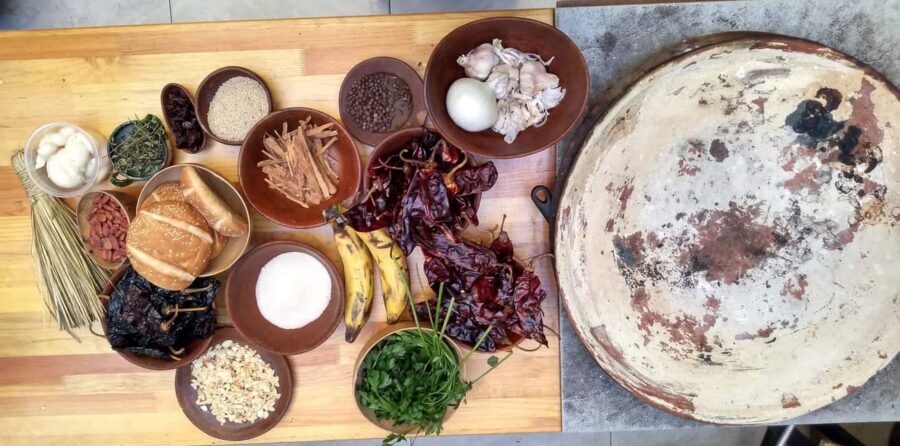
- Mole lunch includes multiple styles (yellow mole, green mole, black mole, or coloradito).
- Family-recipe vibe with history and ingredient flavor notes as you cook.
- You can ask for dietary adjustments if you share allergies or restrictions ahead of time.
Oaxaca cooking starts in the downtown market
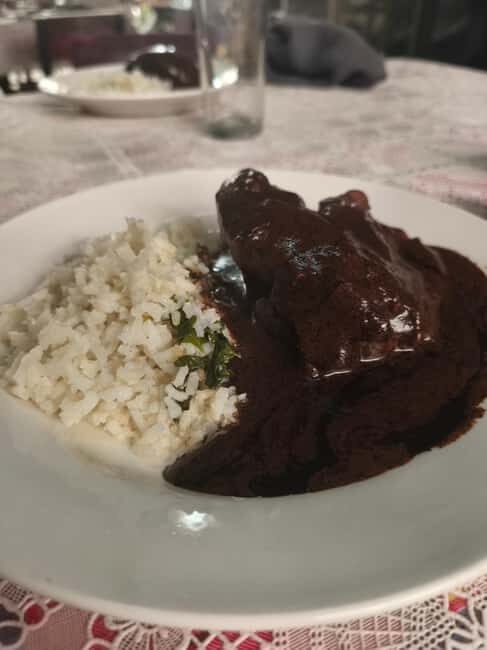
The day begins downtown, where you meet the team and then head straight to a market. This matters more than it sounds. Markets are where you see what’s truly local and seasonal, and where you learn what ingredients Oaxaca cooks actually reach for when they’re building flavor.
You’ll shop together first, guided step-by-step. That shopping time gives your later cooking real context: you can taste the difference between an ingredient that’s just sitting on a shelf and one that’s fresh and chosen on the spot. And because you’re buying as a group, it’s easier to ask questions as you go.
After the market, you transfer out to the village kitchen area, about 20 minutes from downtown. That short ride is a nice pacing change. You go from the buzz of the city to a calmer home-kitchen rhythm where you can actually focus on what you’re making.
If you're still narrowing it down, here are other tours in Oaxaca De Juarez we've reviewed.


Chocolate, bread, then breakfast you’ll be proud of
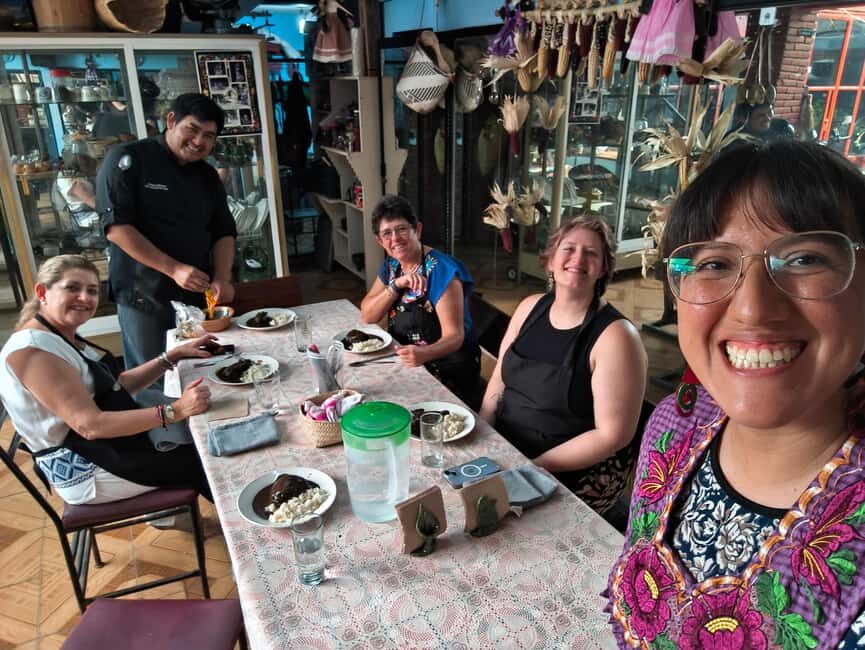
Before you even start the heavier cooking, you kick things off with chocolate and bread. It’s a fun warm-up, and it also sets you up for what Oaxacan meals feel like: layered flavors, not one-note sweetness.
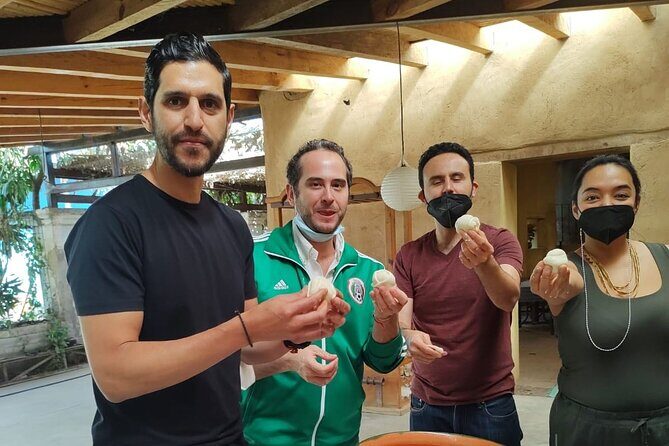
Then comes breakfast, and it’s not a small sampler. You prepare a menu that includes tortillas plus several beloved Oaxacan items: memelitas, tetelas, and empanadas. The point isn’t just to taste. You learn how these dishes come together, what texture to aim for, and how small technique choices change the final result.
As you cook, you’re also guided through three traditional molcajete sauces. That’s a big part of why this class feels different from the typical “stir a sauce and move on” model. Using a molcajete is slow enough that you can feel the ingredients change, and it makes the sauce process a skill instead of a shortcut.
Once everything is ready, you sit down and eat breakfast. This is also where the cultural context lands. The hosts explain Oaxacan culture and the history behind the cuisine while you’re still in the middle of the meal. It keeps the stories from feeling like a lecture, because you’re actively tasting what they’re talking about.
Rolling tortillas and folding tetelas the right way
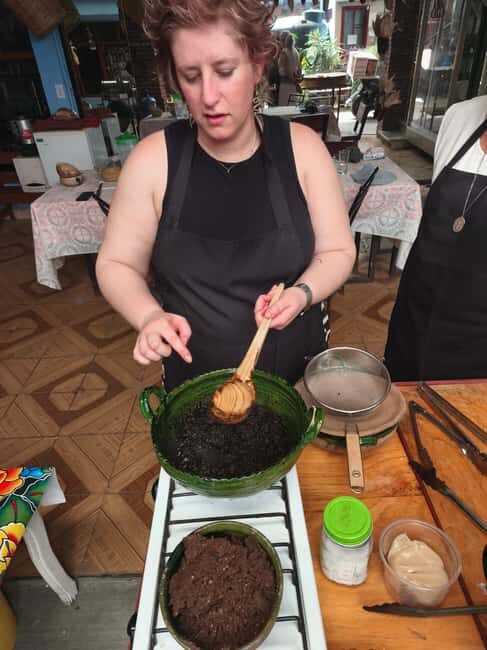
One reason this class earns consistent high marks is how hands-on it is. The teaching style is built around doing, not just watching you do it later. In a small group, you’re more likely to get individual attention while your comal is hot and your dough is doing its own thing.
You’ll practice skills that sound simple but aren’t. For example, you’re working with tortillas on the comal, and you learn practical details like timing and heat control so tortillas don’t end up too dry or too soft. You also fold and shape items like tetelas and work through the pinching and forming technique for memelitas.
Empanadas show up too, and that’s where good guidance helps. With dough-based dishes, small differences matter: thickness, sealing, and how you manage heat so you get a proper crust without burning the outside before the inside is ready.
If you’re the kind of person who likes to ask questions, you’ll have plenty of chances. Hector, for example, is known for being funny and for answering in plain language, including the why behind the method. He’s also the kind of teacher who keeps things relaxed while still moving you through a real workflow.
Lunch is for mole lovers and sauce nerds
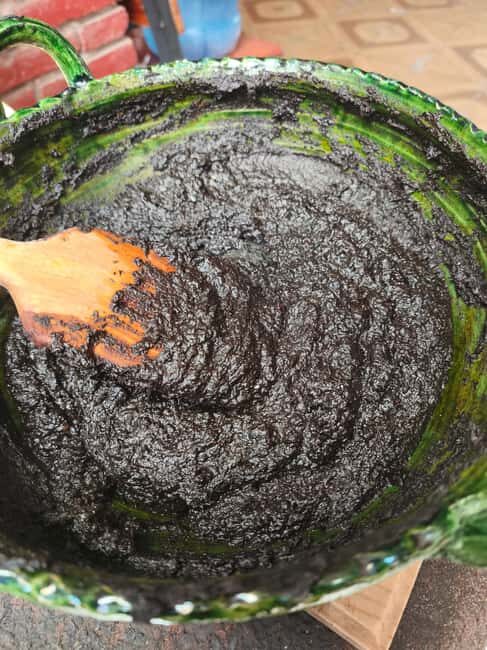
After breakfast and conversation, you shift into lunch: mole time. You’ll prepare one of these mole styles—yellow mole, green mole, black mole, or coloradito—based on what you choose or what you’ve communicated you want to focus on.
Mole isn’t just one flavor. It’s a family of sauces, and the class treats it like that. You learn the names, the differences between versions, and how the flavors come together. That makes the lunch much more than a one-bowl meal. It becomes a lesson in how Oaxaca builds depth.
Another key point: you learn how substitutions work when ingredients aren’t available. Real life is like that. When you’re away from Oaxaca, you can’t always find the same chilies, seeds, or dried ingredients. Here, you get guidance on what to swap and what will likely change in the final taste. That’s the kind of information you can actually use later, whether you cook at home or just want to order mole with confidence.
And yes, you eat what you make. This is the kind of class where you may look at the table and think, how are we still making food? Then you realize you’re still learning and tasting at the same time.
The value behind $116 for five hours
At $116 per person for a 5-hour experience, the big question is what you get for the money. Here’s what’s included: transportation between downtown and the market and the house, high-quality fresh ingredients, kitchen equipment, plus food and drinks throughout the experience.
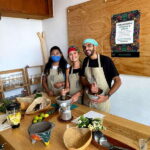
The price also makes more sense when you factor in group size. With a limit of 6 participants, you’re not competing for attention, tools, or time. You can do the work, ask questions, and get corrections before your dish goes off track. That’s hard to replicate in bigger classes where you only get small tasks.
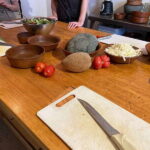
You’re also paying for an authentic market-to-kitchen flow. The market shopping isn’t a side quest. It’s part of how you learn what ingredients contribute to flavor and technique. That connection between what you buy and what you cook is one of the best ways to make the whole day stick with you.


Who this class fits best in Oaxaca
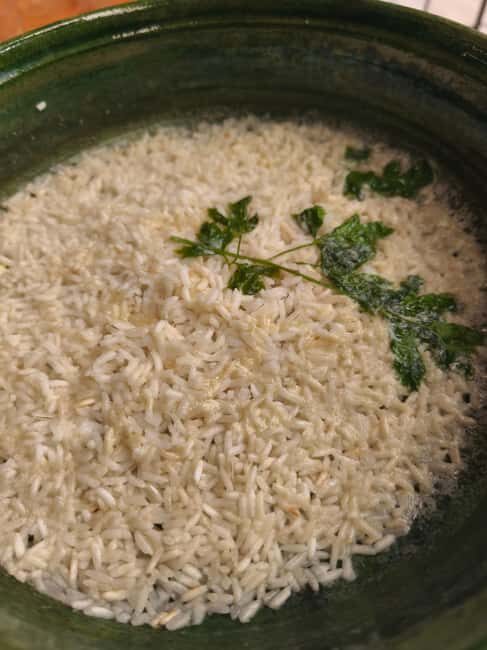
This is a great fit if you want to learn Oaxacan cuisine in a way that’s practical and personal. You don’t need culinary skills. You do need curiosity and a willingness to get your hands involved.
It’s especially good for:
- Food-focused couples or friends who want a shared activity with real results
- Travelers who love markets and want to understand ingredients, not just buy them
- People who like history and culture when it’s tied directly to what’s on the plate
- Anyone hoping to learn how mole works beyond the generic idea of mole is chocolatey and spicy
If you’re someone who prefers a fast tasting tour or just wants to watch a chef cook, this likely won’t match your style. The class is built around doing.
Practical tips so your day goes smoothly
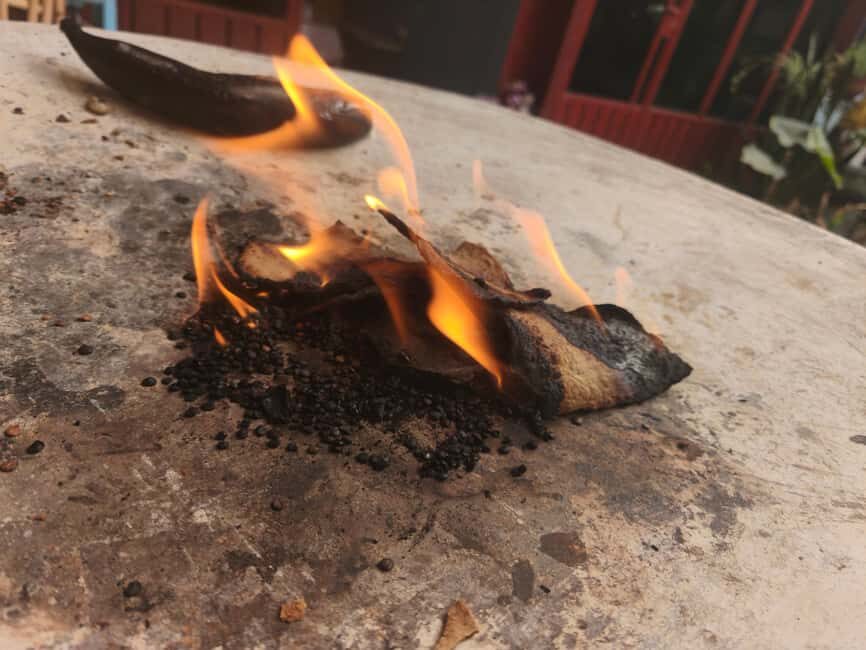
A couple small things make a noticeable difference.
First, if you already need breakfast that morning, keep it light. The class includes a full breakfast menu with multiple items and multiple sauces, and then it keeps going to a complete mole lunch.
Second, communicate allergies or dietary restrictions ahead of time. The team can adjust ingredients when you share what you can’t eat. Do this early so adjustments are realistic rather than rushed.
Third, tell them if you want a specific dish. If you have your heart set on mole verde or a particular style, it’s best to mention it before you arrive so you can cook what you’re excited about.
And wear clothes you don’t mind getting a little kitchen drama on. Even with good teaching, shaping dough and working with sauces can be messy in a good, normal way.
What you learn beyond recipes
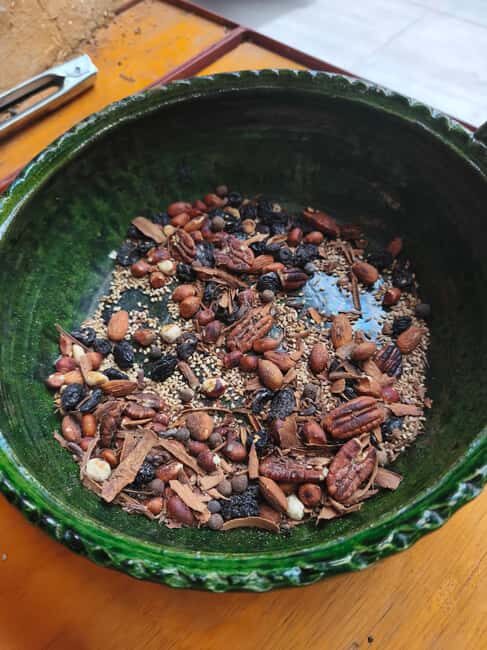
This class doesn’t just teach outcomes. It teaches decisions.
You learn flavor goals tied to ingredients, what techniques do to texture and taste, and how Oaxacan cooks think about building a meal. The hosts explain the history of ingredients and recipes, but they keep it connected to what you’re doing right now in the kitchen.
You also learn how Oaxaca’s ingredients vary and how that influences what dishes become. In practice, that means you leave with a better sense of how to understand Oaxacan food when you’re eating it in restaurants later. You’ll know what to pay attention to: the balance of chili heat, the role of toasted flavors, and how different moles can taste related but clearly different.
Should you book Raíces oaxaqueñas for this Oaxaca cooking class?
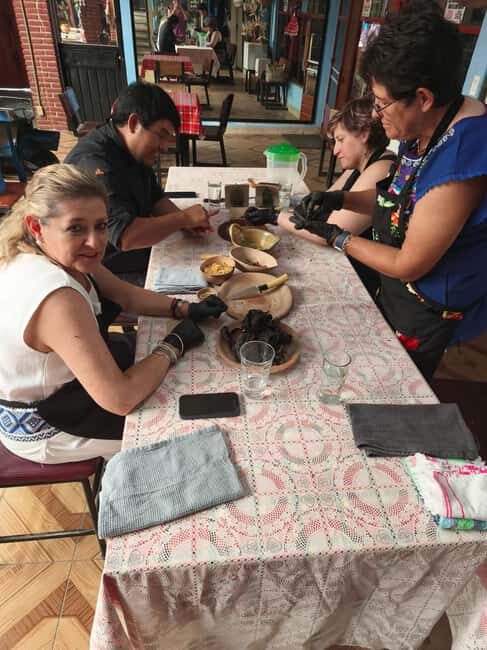
If you want an experience that’s genuinely local and genuinely hands-on, I think this is a strong choice. You get the market start, then you cook a real breakfast and a real mole lunch, with a small group that keeps the attention on you and your questions. The result is not just a full stomach. It’s a clearer understanding of Oaxaca’s food culture—built from ingredients, technique, and stories you can connect to what you taste.
Book it if you:
- enjoy cooking or at least don’t mind getting involved
- want to learn mole beyond ordering it
- like smaller, calmer experiences over big group factory-style classes
Skip it if you:
- want a mostly passive sightseeing-style activity
- don’t handle long meals well
- are only interested in a quick tasting without cooking
If you’re on the fence, think about your own travel style. This one rewards people who like to learn by doing, and it pays you back with food you actually make.
FAQ
Where is the meeting point for the cooking class?
You meet in a downtown Oaxaca location. When you enter, you can ask at the reception desk for the cooking class.
How long is the experience?
The cooking class lasts about 5 hours.
What’s included in the price?
Transportation between downtown, the market, the house, and back to downtown is included, along with fresh ingredients, kitchen equipment, and food and drinks during the experience.
How big is the group?
It’s a small group limited to 6 participants.
What languages does the instructor speak?
The instructor teaches in English and Spanish.
Is the class wheelchair accessible?
Yes, the experience is listed as wheelchair accessible.
Will I cook or just watch?
You prepare the dishes with guidance throughout each step, so it’s hands-on rather than a demonstration only format.
What dishes are part of the class?
Breakfast includes tortillas, memelitas, tetelas, empanadas, and three traditional molcajete sauces. Lunch focuses on one of these mole styles: yellow mole, green mole, black mole, or coloradito.
Can the team adjust for allergies or dietary restrictions?
Yes. If you have allergies or dietary restrictions, you should let them know so they can adjust the ingredients.
Is there flexibility for booking and cancellation?
You can reserve now and pay later, and you can cancel up to 24 hours in advance for a full refund.