REVIEW · OAXACA CITY
Prepare an Oaxacan Mole by a Traditional Cook
Book on Viator →Operated by Etnofood Experiencias · Bookable on Viator
Mole starts at the market, not your plate. In Oaxaca City, this hands-on class turns Oaxacan mole into a full food day: you shop, cook, and sit down to what you made.
I like two things a lot: the market walk where you pick ingredients and learn what you are actually buying, and the hands-on pace in the kitchen where you shape corn dough and help build the meal. Market focus + tortillas practice is a winning combo.
One consideration: expect a prep-heavy experience. A few people felt they did plenty of chopping and setup, but not every step of how mole is assembled and simmered happens in plain sight at the front of the room.
In This Review
- Key points you should care about
- TeoLab location, small-group vibe, and what you’re signing up for
- Starting at TeoLab: how the kitchen setup affects your experience
- The market stop: ingredient choices you can actually taste
- Building Oaxacan mole: where the work gets real
- Tortillas, memelas, and tetelas: corn dough skills that stick
- Sauces and salsa making: Oaxaca beyond mole
- Dessert and the locally grown twist
- Who teaches you: Chef Victor, Chef Wendy, and the wider team
- Lunch payoff: what you get to eat at the end
- Price and value: $59.68 for shopping, cooking, and lunch
- The biggest potential disappointment: not seeing the final assembly
- Practical tips for your day in Oaxaca
- Who should book this class
- Should you book Prepare an Oaxacan Mole by a Traditional Cook?
- FAQ
- How much does the tour cost?
- How long is the cooking class?
- Where is the meeting point?
- Is the class offered in English?
- What will I cook during the class?
- Do we visit a market before cooking?
- How many people are in the group?
- Is the food plant-based?
- Is alcohol included?
- Can I cancel and get a refund?
Key points you should care about
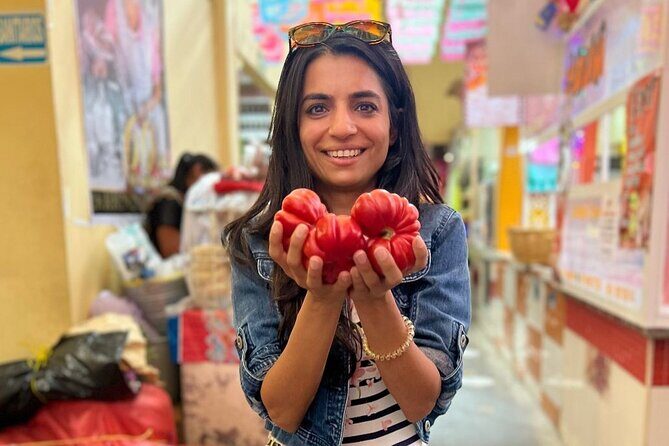
- Market ingredient shopping first so your mole starts with real choices, not a pre-packaged kit
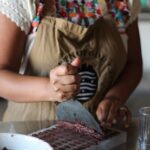
- Hands-on cooking with traditional tools (mortar and pestle, tortilla press/grill, grinding dried peppers)
- More than mole: you also make tortillas/memelas/tetelas and several Oaxacan sauces
- Small-group feel (the class info lists a maximum of four travelers) so instruction can stay personal
- Lunch + drinks included (and alcoholic beverages for travelers age 18+)
- Plant-forward approach: the operator states they do not use products of animal or illegal origin
TeoLab location, small-group vibe, and what you’re signing up for
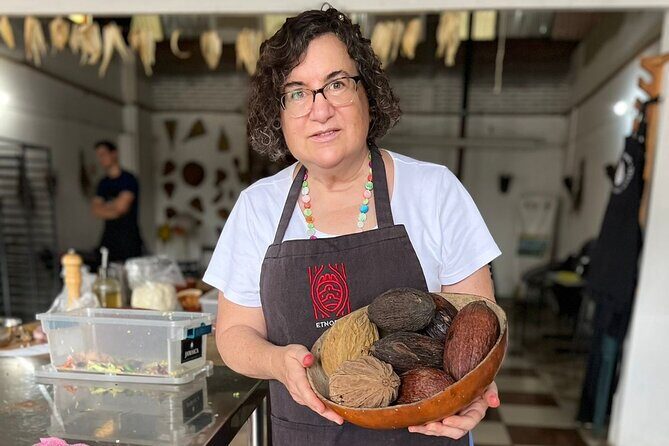
This is a classic Oaxaca City food class in the best sense: you don’t just watch someone cook mole. You go to a market for ingredients, then you cook in a kitchen setup with real workflow and real tools. The meeting point is TeoLabXicoténcatl 609 in the Centro area, and the experience ends back there.
The time window is about 3 hours 30 minutes, which is long enough to do shopping, prep, cooking, and then eat. It’s also booked fairly often (around 10 days in advance on average), so if you want a specific day, don’t wait until the last minute.
English is supported, and the class runs with a small cap (the activity info lists up to four travelers). That matters because mole takes attention, and you’ll want to ask questions while you’re doing the work.
If you're still narrowing it down, here are other tours in Oaxaca City we've reviewed.



Starting at TeoLab: how the kitchen setup affects your experience
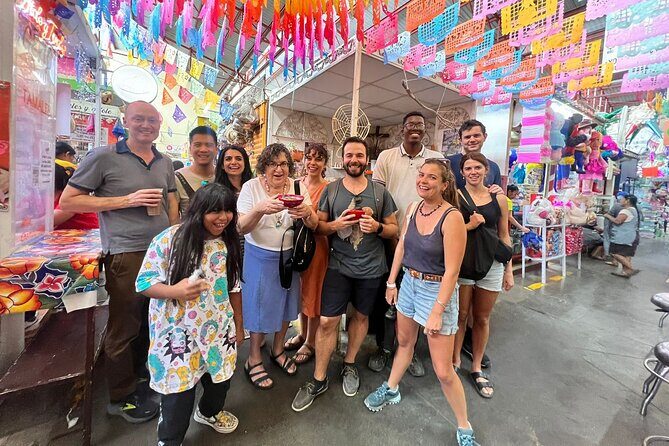
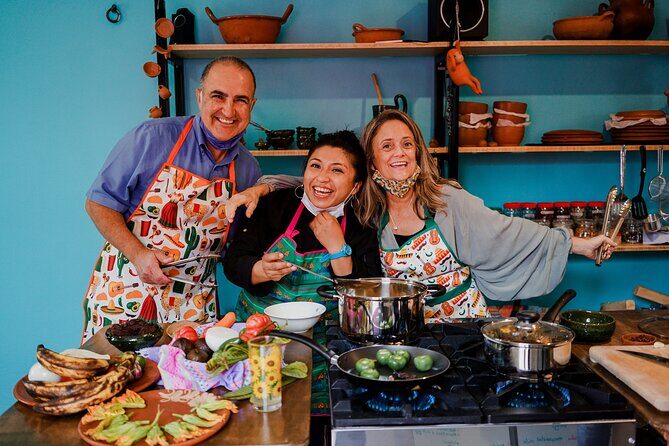
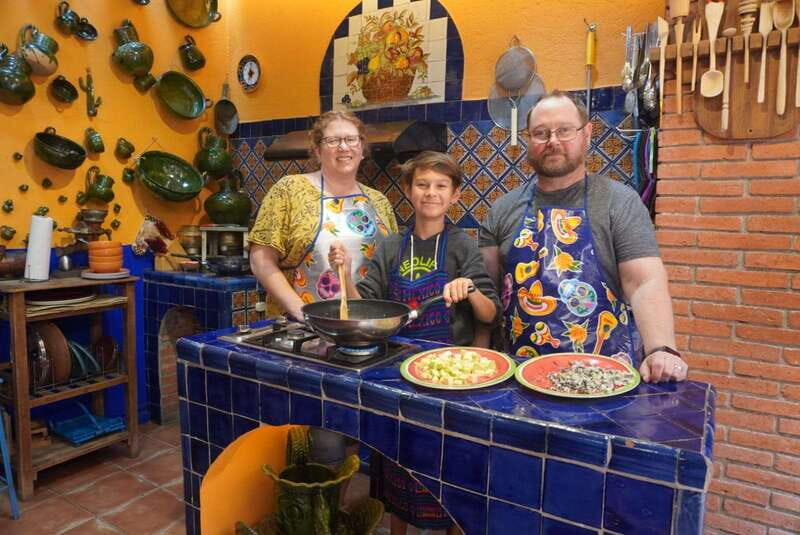
You start at TeoLab, which is a practical base for this kind of class. People mention the space being well set up for group cooking, with enough stations so you can chop, grind, fry, and steam without feeling like you’re standing around.
What you should expect, based on what’s consistently described: you will do tasks, switch tasks, and follow the chefs’ rhythm. Mole is complex, so the kitchen is set up like a relay—many steps happen at once.
If you’re hoping for a show-and-tell format where you watch one person build the mole pot step by step, you might feel a bit shorted. Some participants said they never saw every final assembly moment because the group is spread across prep jobs.
The market stop: ingredient choices you can actually taste
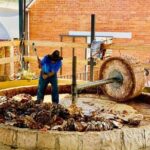
A key part of the experience is the market visit. The class starts with gathering essential mole ingredients, and you also get to sample items along the way. This is where you begin to understand why Oaxaca mole isn’t one single thing.
In practice, you’ll likely see and handle ingredients such as dried chiles and spices that later get ground, plus corn products for the dough. People also noted tasting regional cheeses at the market in some sessions, and learning Spanish names for ingredients along the way.
Here’s what I think makes this market stop useful for you: when you later make mole at home, you’ll recognize ingredients and know why they matter. Instead of remembering a recipe line-by-line, you’ll remember the logic of the flavors—smoky chile, toasted notes, earthy seeds, and the way everything thickens.
Tip: arrive hungry but don’t overdo snacks beforehand. You’ll want your appetite for both tasting and the big lunch.
Building Oaxacan mole: where the work gets real
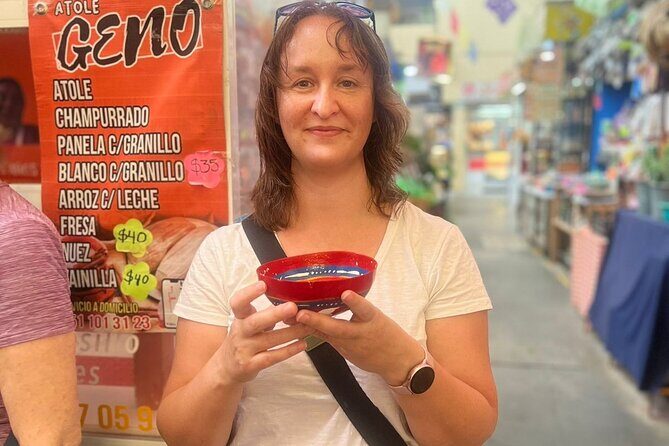
Back in the kitchen, the main event is traditional Oaxacan mole. Oaxaca moles are diverse, and the point here is that you learn how mole is made using authentic methods, not just how to reproduce one version.
The process usually involves breaking down multiple components: drying and toasting/charring flavors, grinding ingredients, mixing and thickening, and then cooking until it becomes glossy and cohesive. People described dried peppers being ground, vegetables grilling, and ingredients moved through different prep steps.
Also, this is one of those classes where you learn by doing. You might chop vegetables, portion ingredients, help with salsas, and work the corn dough tasks in parallel while the mole comes together in the background.
One drawback to keep in mind: several people felt the teaching was strongest while they were actively working, but they didn’t always see exactly how every component gets combined at the very end. That’s common in group cooking—safety, timing, and flow matter—yet it can be disappointing if you’re expecting a front-row mole assembly show.
Tortillas, memelas, and tetelas: corn dough skills that stick
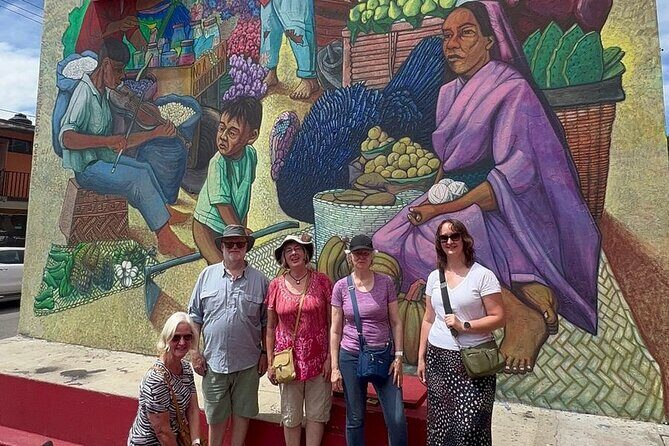
This class makes corn dough a major feature, not a side quest. You may work with tortillas, and also with other expressions of corn dough like memelas or tetelas. People specifically mentioned making tortillas (sometimes by hand), and using a tortilla press and grill.
Why this matters: Oaxaca cooking is built on corn technique. When you learn how dough behaves—how it feels before cooking, how it expands, how it browns—you stop thinking of tortillas as a store-bought item. You start thinking of them as part of the recipe’s texture and structure.
If you’re the type who likes to bring home skills (not just photos), this portion is where you get real value. Mole is the headline, but tortillas are the everyday win.




Sauces and salsa making: Oaxaca beyond mole
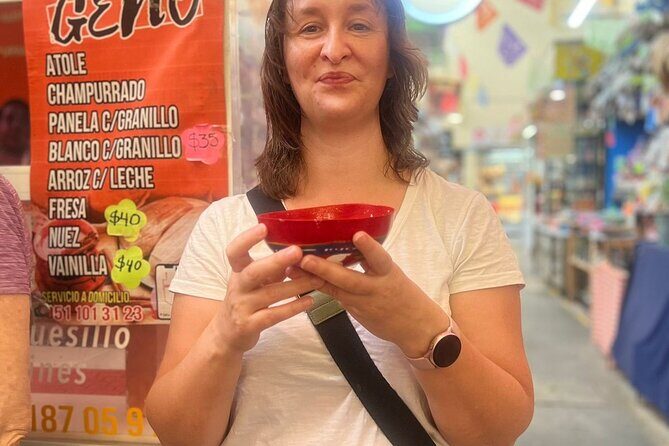
Along with mole, you’ll make traditional Oaxacan sauces. One recurring theme: you learn that there are multiple sauce styles, and that chiles and regional ingredients change the flavor map.
Participants mention making at least two kinds of salsa, and one experience described a green mole alongside other sauces. Another described learning a range of preparation methods for salsas and mole variation.
This is a smart way to teach Oaxaca food. If you only learn mole, you leave with one dish. If you learn sauces plus corn dough techniques, you can build a whole table—mole today, salsa tomorrow, and tortillas any day.
Dessert and the locally grown twist
The class includes a typical Oaxacan dessert. The exact dessert isn’t spelled out in the info you provided, but it’s part of the cooking and meal plan rather than an afterthought.
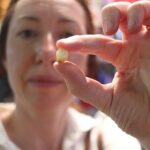
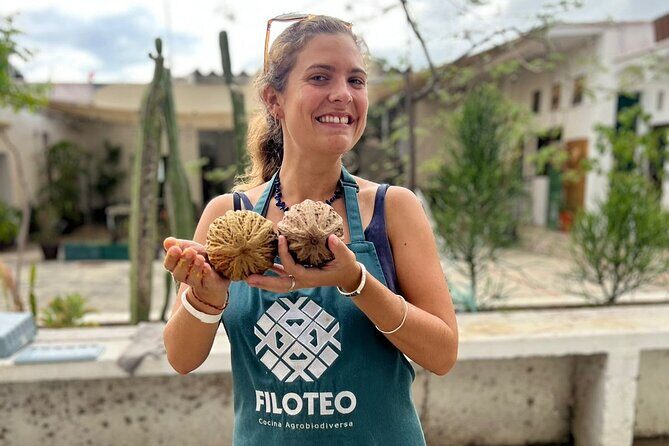
There’s also an extra surprise ingredient described as locally grown—something like an herb or an exotic fruit that adds a twist to the menu. The idea is that Oaxaca cooking is tied to what’s available locally, so the chefs adjust and teach you why that matters.
This is one of those moments where you’ll enjoy the class even if you don’t memorize the ingredient name. You’ll feel the difference in flavor, and that makes the lesson stick.
Who teaches you: Chef Victor, Chef Wendy, and the wider team
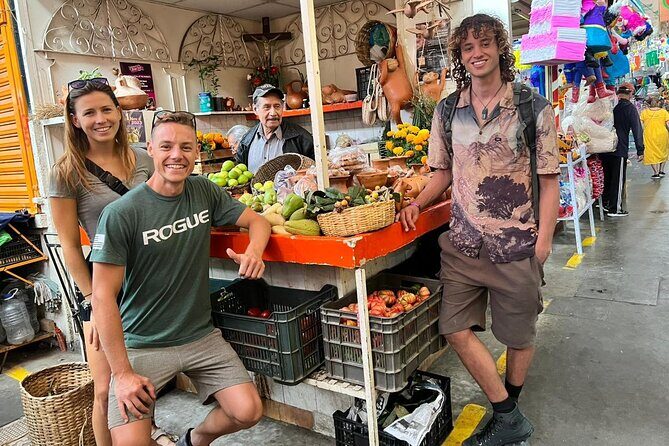
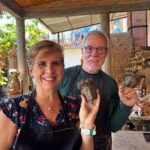
You may meet different instructors depending on the date, and recent sessions mention a team that includes Chef Víctor and Chef Wendy, plus market guides such as Yara and Liz, and an instructor named Armando in one session. The common thread: friendly, interactive teaching with strong communication in English.
What I like about a team approach here is reliability. If one person is coaching the mole pot, another can handle tortilla stations or sauce prep, so nobody feels ignored.
Also, the kitchen pacing can feel efficient. More than one participant described the group working like a coordinated unit, which is exactly what you want when the food has multiple components.
Lunch payoff: what you get to eat at the end
Lunch is included, and the meal is built from what you helped make: traditional Oaxacan mole, plus accompanying items like rice and corn dough dishes. People also mentioned quesadillas in some sessions and lots of variety on the table.
The vibe at the end is that you eat everything you produced. That may sound basic, but it’s not guaranteed in all cooking classes—some stop short and serve one pre-made plate. Here, the meal is described as abundant and tied directly to your work.
Drinks: bottled water is included, and alcoholic beverages are included for travelers age 18+. Some participants specifically mentioned a small mezcal moment as part of the drinks.
If you’re a foodie who likes a full-table meal, this is one of the better values in Oaxaca City cooking experiences, because you don’t just taste a small sample. You eat.
Price and value: $59.68 for shopping, cooking, and lunch
At $59.68 per person, you’re paying for three things: market time, a staffed kitchen with instruction, and a full lunch you actually eat. When you price that against buying ingredients on your own (plus the equipment and time), the math usually lands in the tour’s favor—especially because mole requires lots of steps and timing.
What pushes value even higher is the hands-on teaching and the inclusion of lunch and water. The class also includes alcoholic beverages for those 18+, which can add a bit more value if you plan to have a drink anyway.
I’d still manage expectations on learning outcomes. You’ll come away with a lot of practical technique, but it’s not a one-on-one private lesson where you watch every assembly step at the front of the room.
The biggest potential disappointment: not seeing the final assembly
This shows up more than once in feedback patterns: some people felt they did prep tasks and then ate, but didn’t always see how all components were combined and cooked in full view. Another point: in at least one session, participants felt dish work was heavy while chefs chatted nearby.
So here’s my balanced advice: treat this as a group cooking workshop, not a documentary-style cooking show. If you enjoy doing the work and learning by action, you’ll likely love it. If you need front-row visuals for every step, consider that some steps will happen behind the scenes.
Practical tips for your day in Oaxaca
Wear comfortable shoes. You’ll be moving between market and kitchen, and some sessions may have you standing at stations for long stretches.
Bring your curiosity. Mole and sauces come with ingredient names in Spanish, and the instructors tend to explain origins and names for what you’re using. That makes your time more than just physical labor.
Eat lightly beforehand. You’ll do shopping, sampling, and cooking, then you’ll get a proper lunch. Arriving too full can blunt the market tasting portion.
If you want recipe info after the class, don’t assume it will automatically be sent. One participant mentioned a plan to get recipes later via WhatsApp and felt it didn’t happen. At the end of the class, it’s smart to ask directly what you can take home (written recipes, notes, or digital copies).
Who should book this class
Book it if you:
- Want hands-on mole cooking plus corn dough skills like tortillas
- Enjoy market ingredient shopping as part of the lesson
- Like small-group formats with English support
- Want a full meal outcome, not just a few bites
Skip it if you:
- Need an experience where you can sit and watch every assembly step clearly
- Have mobility issues that make standing and working difficult (the info says it’s not for people with knee problems or with canes)
Should you book Prepare an Oaxacan Mole by a Traditional Cook?
Yes, if your goal is to learn Oaxaca cooking in a practical way and eat the results. The market-to-kitchen flow gives you context, and the inclusion of mole, sauces, corn dough tasks, dessert, and lunch makes the class feel like a complete experience rather than a short demo.
My only “pause” is the expectation setting: this is very hands-on, and you may not see every final assembly moment in the pot from where you’re working. If you can accept group cooking logistics, you’ll likely come away with real technique you can repeat at home—and a meal you remember on day one.
FAQ
How much does the tour cost?
The price is listed as $59.68 per person.
How long is the cooking class?
It runs about 3 hours 30 minutes (approx.).
Where is the meeting point?
You meet at TeoLabXicoténcatl 609, Centro, 68000 Oaxaca de Juárez, Oax.
Is the class offered in English?
Yes. The experience is offered in English.
What will I cook during the class?
You’ll make traditional Oaxacan mole, various traditional sauces, and corn dough dishes such as tortillas (and also memelas or tetelas). A typical Oaxacan dessert is included too.
Do we visit a market before cooking?
Yes. The experience starts with a tour of the market to collect the essential ingredients for the mole.
How many people are in the group?
The activity information lists a maximum of 4 travelers (with a minimum of 1).
Is the food plant-based?
The experience states they do not use products of animal or illegal origin, so you should expect a non-animal ingredient approach.
Is alcohol included?
Alcoholic beverages are included for travelers age 18+.
Can I cancel and get a refund?
No. This experience is non-refundable and cannot be changed for any reason.