REVIEW · OAXACA CITY
Tour to artisan towns of Oaxaca
Book on Viator →Operated by Syctravel.com · Bookable on Viator
Four artisan towns make one memorable Oaxaca day. This hotel-to-hotel tour links hands-on craft making with short stops that explain how the work really happens, from alebrije carving to wool-dyeing, ending at the giant Tule tree.
I love that you get more than product browsing. You’ll see the on-site process in places like San Martín Tilcajete, and you may even learn a spirit-animal lesson tied to birthdates in the Zapotec calendar. One consideration: the trip runs about 9 hours, and food and drinks aren’t included, so plan ahead.
In This Review
- Key Things You’ll Notice on This Oaxaca Crafts Day
- Why This Craft Tour Works Better Than a Typical Shopping Run
- San Martín Tilcajete Alebrijes: Where Spirit Animals Get Their Paint
- San Bartolo Coyotepec Black Clay: Learning the Hands Behind the Art
- Teotitlán del Valle Wool Rugs and Natural Dyes: Color With a Method
- El Árbol del Tule: A Giant Pause for Scale and Photos
- Price and Value: What $297.05 Gets You in Real Terms
- The Logistics That Matter: Timing, Group Size, and Comfort
- How to Get the Most From Each Stop (Without Feeling Rushed)
- Who This Tour Fits Best
- Should You Book This Oaxaca Artisan Towns Tour?
- FAQ
- What time does the tour start?
- How long is the tour?
- Is hotel pickup included?
- Is food or drinks included?
- Are admission tickets included for the stops?
- Is this a private tour?
- What does the tour include besides transportation?
- What is the cancellation policy?
Key Things You’ll Notice on This Oaxaca Crafts Day
- Hotel pickup + air-conditioned vehicle: No hunting for transport between towns.
- Alebrijes in San Martín Tilcajete: Watch wood carving that turns animals and spirit beings into bold works of art.
- Black clay figures in San Bartolo Coyotepec: Learn the logic behind shaping and working clay pieces.
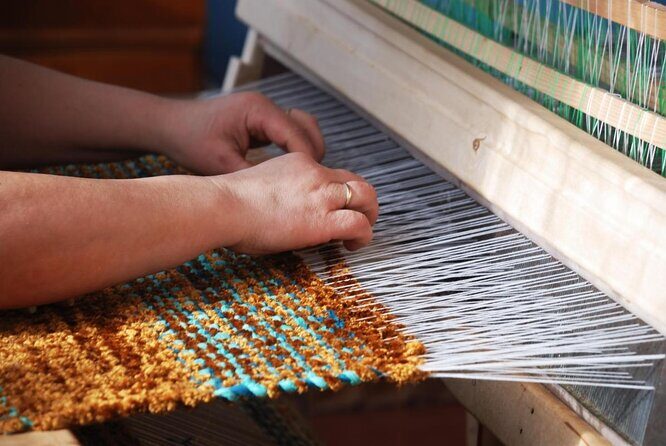
- Natural-dye wool rugs in Teotitlán del Valle: Understand the dye process that gives the textiles their look.
- The Árbol del Tule in Santa María del Tule: A quick, jaw-dropping stop for one of the world’s largest tree trunks.
- Guide support that keeps things smooth: Reviews highlight an English-speaking guide named Javier who was accommodating and adaptable.
Why This Craft Tour Works Better Than a Typical Shopping Run

Oaxaca’s artisan towns are easy to visit on your own, but they’re also easy to do wrong. You can end up with a rushed drive and a lot of souvenir browsing. This tour keeps the day structured so you actually see the craft process in multiple places.
What makes it feel valuable is the flow. You start with alebrijes, move to black clay pottery, then go to wool textiles, and finish with a natural landmark that gives your brain a break from handiwork. It’s a smart mix: make, learn, look, then breathe.
You’ll also appreciate that the stops are short enough to stay lively (about 1 to 2 hours each), while the transport is handled. That matters when you’re doing four separate towns in one day.
If you're still narrowing it down, here are other tours in Oaxaca City we've reviewed.



San Martín Tilcajete Alebrijes: Where Spirit Animals Get Their Paint

Your first stop is San Martín Tilcajete, one of the two Oaxaca towns known for carving the colorful alebrijes. Expect wood to become animals and spirit beings with character. You’ll spend about 2 hours here, and the admission ticket is free for the stop.
This is where the tour leans into meaning, not just decoration. In the alebrije workshop/gallery, you can learn how spirit animals connect to your birthdate using the Zapotec calendar. It’s the kind of detail that turns a craft demonstration into a cultural moment you can remember.
A practical note: demonstrations may be in Spanish. Still, you don’t need perfect language skills to follow hands-on steps—technique is visual. If you’re worried about language, focus on the sequence: carving, detailing, and the final look that comes from careful color work.
San Bartolo Coyotepec Black Clay: Learning the Hands Behind the Art
Next you head to San Bartolo Coyotepec, famous for black clay pieces. This stop is about 1 hour, with free admission listed.
The town’s identity is tied to making clay figures, and you’ll learn the process behind it. Even when you don’t catch every word, you’ll notice how clay work depends on timing and technique—what gets shaped, how it dries, and how the final pieces come together.
I like this stop because it’s a change of pace from wood carving. Alebrijes are about form and color built up over steps. Black clay is more about how the material behaves and how the craftspeople guide it into shape.
If you’re a slower viewer, this is a great place to take your time. Watch how the artisans handle the clay and how they explain what matters. You’ll leave with a clearer sense of why the craft looks the way it does.
Teotitlán del Valle Wool Rugs and Natural Dyes: Color With a Method

After the clay stop, you go to Teotitlán del Valle, known for wool textile products. This is the home base for rugs, jackets, bags, and woven items dyed with natural dyes—and the tour focuses on how the rugs are made.
Plan on about 1 hour here, again with free admission listed. You’ll see the process of creating these textiles, which is the real draw. The value is in understanding that the look of the finished rug isn’t random. It comes from decisions made during dyeing and weaving.
Natural dyes are especially interesting because they’re tied to technique and materials. If you’re the type who likes to know why something costs what it costs, this stop gives you context for what you’re looking at when you shop (or just admire).
One more practical thought: textiles can feel overwhelming in a short time because there’s so much detail in patterns. Bring your attention to a couple things only—how colors are made and how the weaving process creates the final design.
El Árbol del Tule: A Giant Pause for Scale and Photos

The last craft-related stop transitions into a natural wonder: the Tule Tree, also called El Árbol del Tule. It’s located in Santa María del Tule.
This stop lasts about 1 hour with free admission listed. The numbers alone tell you why people slow down here: the tree is about 40 meters tall, with a trunk diameter listed around 52.58 meters, and an estimated weight of 509 tons. You don’t need to memorize the stats to be impressed.
This is also a good moment for practical reasons. After hours of craft making and close-up attention, your eyes get a break. Plus, the Tule tree is an easy photography target because it’s unforgettable even in ordinary lighting.






Price and Value: What $297.05 Gets You in Real Terms

At $297.05 per person, this is not a bargain-price bus trip. But it can feel fair when you look at what’s included and what’s not.
Here’s the value math:
- You get hotel pickup and an air-conditioned vehicle, which saves time and hassle.
- The price includes travel insurance and GST.
- Each stop lists free admission tickets.
- The day is long enough to cover four meaningful locations without needing to plan drives yourself.
What’s not included is the part that can quietly add up: food and drinks. Since you’re out for about 9 hours starting at 10:00 am, you’ll want to pack a snack or plan a meal on your own after the tour. If you don’t, you’ll end up paying more later or getting tired before the last stop.
If you like structure, this tour earns its keep. If you already know you want to wander independently between artisan towns, you may find it cheaper to DIY. But you’d be trading away guidance and the efficient route that lets you hit all four places in one day.
The Logistics That Matter: Timing, Group Size, and Comfort
This is a private tour/activity, meaning only your group participates. That’s a big deal if you’re traveling with family, friends, or anyone who wants to ask questions without feeling rushed.
The tour duration is about 9 hours, and it starts at 10:00 am. A private format can help here because you can adjust pacing at each stop. Reviews specifically mention that the guide Javier was adaptable to requests, which is exactly what you want on a day with multiple short stops.
Also, you’ll ride in an air-conditioned vehicle, which is helpful in Oaxaca heat. Small comfort wins matter when your day is built around walking through workshops and looking closely at handmade work.
You’ll receive confirmation at booking time, and the tour uses a mobile ticket. That cuts down on paper tickets and makes the day feel smoother.
How to Get the Most From Each Stop (Without Feeling Rushed)

Want to enjoy this day instead of just surviving it? I suggest a simple strategy: choose one thing to focus on at each stop, not everything.
- San Martín Tilcajete: Focus on how the alebrije goes from carved form to detailed character. If the spirit-animal birthdate lesson is offered, listen for how the Zapotec calendar concept is explained, even if your Spanish is basic.
- San Bartolo Coyotepec: Watch the hands. Clay work is all about the material’s response, so pay attention to shaping and finishing steps.
- Teotitlán del Valle: Pick one topic, like how natural dyes contribute to the final colors, then let the rest be extra.
- El Árbol del Tule: Take the time to look up. This isn’t just a stop you pass through; it’s a scale moment.
Also, bring a water plan. Food and drinks aren’t included, so it’s smart to carry water and have a snack you like. That way you can concentrate on the craft instead of thinking about hunger every 20 minutes.
If you’re worried about Spanish, don’t stress. You can still learn a lot just by watching how artisans work. The techniques are visible, and the guide can help connect the dots.
Who This Tour Fits Best
This tour is best for you if:
- You want a day that’s structured around artisan towns, not just a long drive.
- You enjoy seeing crafts made, not only buying finished items.
- You like cultural context, like the Zapotec calendar spirit-animal concept connected to alebrijes.
It may feel less ideal if:
- You hate workshop settings and prefer open-air sightseeing all day.
- You want meals included as part of the package and don’t plan for snacks.
- You expect long museum-style lectures. The stops are short, so it’s learn-by-seeing, not a slow academic pace.
Should You Book This Oaxaca Artisan Towns Tour?
I’d book it if you want a efficient, guided way to experience four key artisan places in one day—especially if you care about process. The strongest part is the emphasis on how the crafts are made, and the reviews point to a guide like Javier who speaks English well and stays accommodating and flexible.
If you’re the type who always brings a snack, enjoys looking closely, and wants a full craft-to-landmark route, this tour can be a strong value at $297.05. If you need meals handled for you, build that into your plan first.
One last thing: since it’s non-refundable and can’t be changed, only book once your day is locked in. Then do the simple preparation—water, a snack, and curiosity—and enjoy the craft details you’ll actually remember.
FAQ
What time does the tour start?
The tour start time is 10:00 am.
How long is the tour?
The duration is about 9 hours.
Is hotel pickup included?
Yes, pickup is offered and the tour starts with pickup from your hotel in Oaxaca City.
Is food or drinks included?
No. Food and drinks are not included.
Are admission tickets included for the stops?
Admission tickets are listed as free for the stops on the itinerary.
Is this a private tour?
Yes. It’s listed as a private tour/activity, so only your group participates.
What does the tour include besides transportation?
The included items are an air-conditioned vehicle, GST, and travel insurance. You’ll also have a mobile ticket.
What is the cancellation policy?
The experience is non-refundable and cannot be changed for any reason. If you cancel or request an amendment, the amount you paid won’t be refunded.